
German Minister Blames Trump's Iran Policy for Economic Slowdown

German Finance Minister Lars Klingbeil criticizes US president's Iran strategy, citing negative impacts on Germany's economy and regional stability.
German Finance Minister Lars Klingbeil has publicly criticized the United States administration's approach to Iran, characterizing the policy as an irresponsible war that has directly contributed to Germany's ongoing economic slowdown. The outspoken remarks represent a significant moment of tension between Berlin and Washington, highlighting the deep divisions over Middle Eastern foreign policy and its cascading economic consequences across the Atlantic.
In his statement, Klingbeil specifically condemned what he described as the US president's Iran policy, arguing that the aggressive stance has created widespread disruptions to international markets and trade relationships. The Finance Minister emphasized that Germany, as Europe's largest economy, has been disproportionately affected by the escalating tensions and sanctions regime surrounding Iran. This critique underscores the growing frustration within German political circles regarding the unilateral approach taken by Washington without adequate consultation with European allies.
The economic impact on Germany has been substantial and multifaceted. German businesses engaged in international trade have faced increased uncertainty and volatility, while energy markets have become increasingly unstable due to geopolitical tensions in the Middle East. Manufacturing sectors that rely on predictable supply chains and stable commodity prices have reported significant challenges in maintaining production schedules and managing costs effectively.
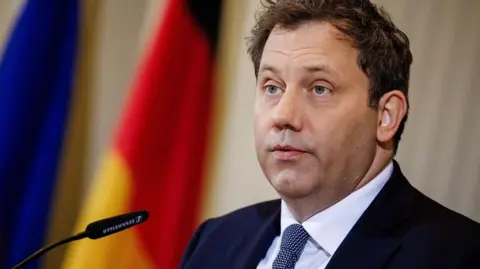
Klingbeil's comments reflect a broader European perspective that emphasizes diplomatic engagement over confrontational approaches to international relations. Germany has historically advocated for multilateral solutions and negotiated settlements to regional conflicts, viewing the escalation of tensions through sanctions and military posturing as counterproductive to long-term stability. The German government's position stands in contrast to the more hawkish approach adopted by the current US administration toward Iran and its regional interests.
The economic slowdown in Germany has become increasingly apparent through various economic indicators, including declining manufacturing output, reduced export growth, and weakening consumer confidence. Analysts attribute multiple factors to this downturn, with geopolitical uncertainty playing a significant role alongside structural economic challenges. The combination of international tensions and domestic economic pressures has created a challenging environment for German policymakers attempting to maintain growth and employment levels.
The tension between the United States and Iran has ripple effects throughout global markets, particularly impacting oil prices and supply chain reliability. Germany's export-dependent economy is especially vulnerable to disruptions in international trade and investment patterns. Companies in the automotive, chemical, and manufacturing sectors have reported increased operational costs and reduced profitability as a result of these global tensions.
The transatlantic relationship has faced considerable strain in recent years, with trade disputes and differing foreign policy approaches creating friction between American and European leadership. Klingbeil's statement represents one of the more direct criticisms from a senior German official regarding US policy decisions and their negative externalities for European economies. This public rebuke suggests that patience for unilateral American decision-making in foreign affairs is wearing thin among European policymakers.
Germany's position as an advocate for dialogue and diplomatic solutions has long been a cornerstone of its foreign policy approach. The country has invested considerable diplomatic capital in maintaining relationships with various Middle Eastern actors and has sought to preserve economic ties even amid international tensions. The current US approach, in German eyes, undermines these efforts and creates unnecessary obstacles to peaceful conflict resolution.
From an economic perspective, the uncertainty generated by escalating geopolitical tensions directly translates into higher business costs and reduced investment decisions. Companies operating in Germany and across Europe must navigate complex regulatory environments, potential sanctions compliance issues, and volatile currency markets. These factors collectively constrain economic growth and limit job creation opportunities across multiple sectors of the economy.
The German economy's challenges extend beyond the immediate impact of Iran-related tensions, but these geopolitical factors have undoubtedly exacerbated existing vulnerabilities. Structural issues including aging demographics, infrastructure investment gaps, and competitive pressures from Asian markets have combined with external shocks to create a complex economic environment. The addition of unpredictable foreign policy decisions from major trading partners only compounds these difficulties.
Looking forward, Germany faces the challenge of balancing its economic interests with its political values and alliances. The country must navigate relationships with both the United States and other key international partners while promoting policies that support sustainable economic growth and stability. Klingbeil's comments signal that German leadership is increasingly willing to publicly articulate concerns about policies that negatively impact European economies and regional security.
The broader implications of these tensions extend to the entire European Union and its member states. As Europe seeks to establish greater strategic autonomy and reduce dependency on external actors for security and economic stability, statements like those from the German Finance Minister reflect growing assertiveness in defending European interests. This shift in tone suggests a potential recalibration of relationships and policies as European nations grapple with the consequences of geopolitical decisions made outside their control.
The criticism from Klingbeil also highlights the importance of inclusive decision-making processes in international relations, particularly when decisions affect multiple nations and economies. Germany has consistently advocated for multilateral approaches to resolving complex international issues, viewing unilateral actions as potentially destabilizing and economically harmful. The Finance Minister's statement reinforces this position and calls for greater consideration of how foreign policy choices impact allied nations and their citizens.
In conclusion, the remarks from German Finance Minister Lars Klingbeil underscore the significant economic and political tensions emerging from divergent approaches to Middle Eastern policy between the United States and its European allies. The German criticism reflects both legitimate economic concerns and deeper disagreements about appropriate methods for addressing international conflicts. As these tensions continue to shape global economic conditions, the importance of dialogue and coordinated international approaches becomes increasingly apparent to policymakers across Europe and beyond.
Source: BBC News


