
German Police Launch Major Crackdown on Neo-Nazi Youth Groups

German authorities conduct unprecedented raids across 12 states targeting neo-Nazi criminal organizations. Prosecutors detail coordinated law enforcement operation.
German law enforcement agencies have launched an extensive and coordinated operation against neo-Nazi criminal youth groups, conducting simultaneous raids across multiple locations in 12 different states throughout the country. The operation, which represents one of the most significant crackdowns in recent years against extremist organizations, focused particularly on regions in eastern and southern Germany where such groups have historically maintained stronger footholds and recruitment networks.
Prosecutors overseeing the investigation characterized the raids as a targeted law enforcement action designed to dismantle the organizational structures and criminal activities associated with these far-right extremist youth organizations. The scope and scale of the operation underscore the serious threat that German authorities believe these groups pose to public safety and social cohesion within the country. Officials indicated that the raids were preceded by extensive intelligence gathering and investigation to identify specific locations and individuals involved in criminal activities.
The coordinated police operation involved collaboration between federal and state law enforcement agencies, demonstrating a unified approach to combating organized extremism. This level of coordination highlights the systematic nature of the threat posed by these neo-Nazi groups and the necessity for comprehensive governmental response. The raids themselves were executed with precision to maximize effectiveness and ensure the safety of officers conducting the searches.
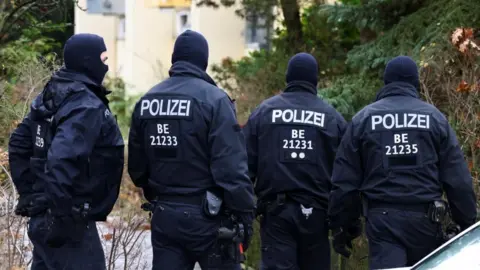
The targeting of youth groups specifically reflects a growing concern among German security officials about the recruitment and radicalization of younger individuals into extremist movements. These organizations have been documented actively seeking to indoctrinate young people and integrate them into their hierarchical structures and criminal enterprises. The focus on youth-oriented groups suggests that authorities recognize the particular danger of extremism taking root among impressionable populations.
Eastern Germany, where the raids concentrated significant resources, has long been identified as a region with particular vulnerabilities to right-wing extremism. This geographic focus reflects historical patterns and ongoing concerns about far-right extremism in former East German territories, where economic challenges and social fragmentation have sometimes created environments conducive to extremist recruitment. Southern German states, also targeted in the operation, have similarly experienced documented growth in far-right organizational activity.
The criminal activities undertaken by these neo-Nazi youth groups have reportedly included violence, property destruction, intimidation campaigns, and other offenses that threaten public order. Prosecutors indicated that the investigation uncovered evidence of coordinated criminal behavior extending beyond simple expression of extremist ideology. The distinction between protected political expression and actual criminal conduct formed a crucial element in determining which groups and individuals would be targeted.
The operation reflects broader efforts by German law enforcement to address what security agencies describe as a persistent and evolving threat from right-wing extremist organizations. These groups have demonstrated resilience and adaptability, sometimes operating through decentralized networks and utilizing digital platforms to maintain connections and coordinate activities. The strategic nature of the raids suggests prosecutors had identified specific criminal enterprises rather than pursuing purely ideological targets.
Members of these neo-Nazi youth organizations have been connected to various incidents of violence and intimidation targeting immigrant communities, religious minorities, and political opponents. The integration of youth into these groups represents part of a broader strategy by extremist movements to ensure continuity and expand their influence within German society. Law enforcement officials have expressed particular concern about the indoctrination tactics employed by these organizations to convert young recruits into committed activists.
The raids represent a continuation of German law enforcement's commitment to vigorously investigate and prosecute extremist criminal activity, drawing on legal frameworks designed to address both terrorist and criminal conspiracy charges. Germany has specific laws targeting extremist organizations, and prosecutors have demonstrated willingness to deploy these legal tools against groups engaged in criminal activity. The scale of this particular operation indicates that authorities viewed the targeted groups as posing sufficient threat to warrant such comprehensive action.
The timing of the operation may reflect recent intelligence breakthroughs or accumulation of evidence reaching critical thresholds that enabled prosecutors to move forward with coordinated enforcement action. Such major operations typically require extensive preparation, coordination between multiple jurisdictions, and careful legal review to ensure compliance with constitutional protections and procedural requirements. The simultaneous nature of raids across 12 states suggests authorities coordinated activities to prevent suspects from fleeing or destroying evidence.
Community leaders and civil rights organizations have increasingly called for more aggressive action against extremist groups, citing documented growth in far-right activism and violence. This operation appears to respond to those concerns while operating within Germany's constitutional and legal frameworks governing law enforcement activity. The focus on criminal conduct rather than ideology alone demonstrates authorities' intention to prosecute actionable offenses rather than engage in political suppression.
The investigation and subsequent raids demonstrate the resource commitments and investigative capabilities that German law enforcement agencies have developed specifically to address extremist threats. Federal and state police forces have established specialized units dedicated to monitoring, investigating, and building cases against extremist organizations. These capabilities have been continuously refined in response to evolving tactics employed by extremist networks.
As the investigation continues following these raids, prosecutors will analyze materials seized during the searches and conduct interviews with detained individuals to develop more comprehensive understanding of these groups' organizational structures and criminal networks. The information gathered could potentially inform future enforcement actions and provide intelligence about connections between various extremist organizations operating within Germany. This operation likely represents only one phase of a broader, sustained law enforcement effort against organized extremism.
The German government's approach to combating neo-Nazi groups combines law enforcement action with prevention and deradicalization initiatives designed to address the root causes of extremist recruitment. Public education campaigns, community engagement programs, and intervention services for at-risk youth represent complementary strategies to the enforcement action demonstrated by these raids. The comprehensive approach reflects recognition that law enforcement alone cannot fully address the extremism challenge.
Source: BBC News


