
Germany Braces for US Troop Withdrawal as NATO Seeks Answers

German Defence Minister Boris Pistorius says US decision to withdraw 5,000 troops was foreseeable. NATO members seek clarity on implications.
German Defence Minister Boris Pistorius has characterized the United States' decision to withdraw 5,000 troops from German soil as an anticipated development, signaling that Berlin had long understood such a move might eventually materialize. The announcement marks a significant shift in the military presence that has anchored NATO's European defense strategy for decades, prompting both German officials and alliance partners to carefully assess the geopolitical implications of reduced American military commitment in the region.
The US troop withdrawal from Germany represents one of the most substantial reductions in American military personnel stationed on the continent since the end of the Cold War. With thousands of servicemembers set to relocate, the move underscores evolving strategic priorities within the Trump administration and raises critical questions about the future of transatlantic security arrangements. German leadership has attempted to frame the development as a logical consequence of broader policy shifts rather than an unexpected shock, though the timing and scope have certainly captured the attention of military planners across Europe.
Pistorius's measured response reflects Berlin's effort to maintain diplomatic composure while grappling with the practical consequences of the withdrawal. The Defence Minister's acknowledgment that such a move was "foreseeable" suggests German intelligence and diplomatic channels had previously detected signals of American intent to reduce its military footprint. This characterization also allows Germany to project strategic sophistication to both domestic audiences and international partners, demonstrating that Berlin remains closely attuned to developments within the NATO alliance and American policy circles.
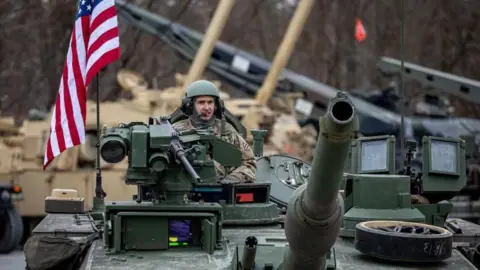
The withdrawal decision has prompted NATO officials to seek comprehensive clarification regarding the timeline, affected units, and long-term implications for European security. Alliance representatives are working to understand whether this represents a temporary repositioning of forces or a more permanent reduction in American military commitment to the continent. The request for clarification demonstrates the heightened uncertainty surrounding military deployments and the need for transparent communication among alliance members about strategic decisions that affect collective defense arrangements.
NATO defense strategy has long depended upon substantial American military presence in Europe, particularly in frontline NATO states neighboring Russia and Belarus. The withdrawal of 5,000 troops from Germany, where approximately 35,000 American servicemembers remain stationed, could potentially weaken the credibility of NATO's deterrent posture and complicate operational planning for collective defense scenarios. Military analysts are examining how the reduced presence might affect training exercises, joint operations capabilities, and rapid response mechanisms that depend on prepositioning of American military assets across the continent.
Germany's military infrastructure has historically served as a crucial hub for American military operations in Europe, hosting major command centers, logistics facilities, and training grounds that support broader NATO activities. The reduction of 5,000 personnel from this network could necessitate significant reorganization of support structures and potentially transfer responsibilities to other NATO members with less developed military infrastructure. Berlin faces the challenging task of potentially absorbing additional security responsibilities or coordinating burden-sharing arrangements among European allies to compensate for reduced American presence.
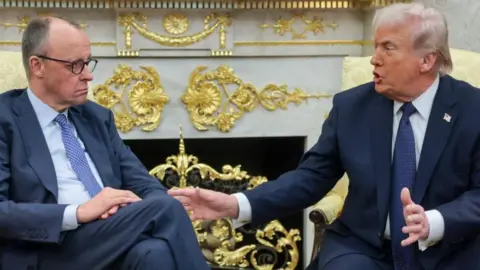
The timing of the troop reduction announcement carries particular significance given current tensions in Eastern Europe and the ongoing conflict in Ukraine. The withdrawal occurs as NATO members have been increasing military spending and enhancing forward deployments along the eastern frontier. The apparent contradiction between Europe's efforts to strengthen collective security and America's decision to reduce its military presence has generated considerable concern among Baltic and Central European nations that view American military presence as essential to their security guarantees.
Pistorius's statement about the withdrawal being "foreseeable" may also reflect Germany's recognition that such developments are part of broader shifts in American foreign policy priorities. Recent administrations have periodically questioned the scale of American military commitments in Europe, suggesting that European nations should shoulder greater responsibility for their own defense. This evolving American stance reflects domestic political debates about the appropriate level of global military engagement and the distribution of defense costs among NATO allies.
The German Defence Ministry is likely coordinating with other European defense officials to develop contingency plans and alternative security arrangements that could mitigate the impact of reduced American military presence. Such coordination is essential for maintaining European security cooperation and ensuring that the withdrawal does not create strategic vacuums that could be exploited by potential adversaries. Germany's significant military capabilities and central location within NATO may position it to play an expanded coordinating role among European defense establishments.
The broader context of NATO burden-sharing debates looms large in this situation, as the withdrawal decision occurs amid ongoing discussions about how defense spending and military responsibilities should be distributed among alliance members. European nations have significantly increased military expenditures in recent years, yet the reduction of American presence suggests that further burden-shifting toward European shoulders remains inevitable. The challenge for German leadership lies in balancing these realities while maintaining public support for defense spending and alliance commitments.
Looking forward, the success of managing this transition will depend heavily on transparent communication between the United States and its NATO partners, particularly regarding the strategic rationale for the withdrawal and plans for maintaining deterrent capabilities in the region. German officials will need to articulate clearly to their constituents how European security will be maintained despite reduced American military presence. The coming months will reveal whether this withdrawal represents an isolated adjustment or signals a more fundamental reassessment of American commitment to European defense arrangements that have characterized the post-World War II security architecture.
Source: BBC News


