
Germany Tops Global Plastic Waste Export Rankings

Germany exported 810,000 tonnes of plastic waste in 2025, followed by the UK with 675,000 tonnes. Most waste destined for Turkey, Malaysia, and Indonesia.
Germany has emerged as the world's largest exporter of plastic waste, a concerning distinction revealed through comprehensive analysis of international trade data conducted for major news outlets. According to detailed investigations by Watershed Investigations and the Basel Action Network, Germany shipped more than 810,000 tonnes of plastic waste to countries around the globe during 2025, marking a significant volume in the global waste trade. This substantial quantity of discarded plastic materials represents a major environmental challenge and raises important questions about developed nations' responsibility in managing their own waste streams responsibly.
The United Kingdom closely followed Germany's export levels, dispatching approximately 675,000 tonnes of plastic waste internationally throughout the year. This volume represents the UK's highest export level in eight years, demonstrating a troubling upward trend in how British industries and consumers are outsourcing their waste management challenges. The sheer scale of these exports becomes more comprehensible when considering that 675,000 tonnes is equivalent to approximately 127,000 full shipping containers, each one carrying waste materials destined for overseas destinations.
Plastic waste exports to developing nations have become a controversial aspect of global commerce, with Turkey, Malaysia, and Indonesia receiving substantial proportions of these shipments from European nations. These countries, despite lacking adequate infrastructure to manage imported waste safely and sustainably, have become primary destinations for rich nations seeking cost-effective disposal solutions. The practice reflects a troubling pattern where wealthy industrialized countries effectively transfer their environmental burden to less developed economies.

The Basel Action Network's analysis of trade data provides crucial transparency into what has long been an opaque corner of international commerce. By examining detailed customs records and shipping manifests, researchers have been able to document the precise routes and volumes of plastic waste flowing from developed nations to developing countries. This data-driven approach exposes the true scale of waste exportation, challenging official narratives about recycling and responsible waste management in industrialized nations.
Germany's position as the top exporter stems from its significant manufacturing base, high consumer consumption levels, and well-developed logistics infrastructure that facilitates international waste trading. The German economy generates enormous quantities of plastic waste through manufacturing, packaging, and consumer goods, and rather than processing all of it domestically, significant portions are redirected to international markets. This economic model prioritizes cost-efficiency over environmental stewardship and community responsibility.
The concentration of plastic waste exports from Germany and the UK to a small number of developing nations illustrates the exploitative nature of global waste commerce. Turkey, as a major transit hub between Europe and Asia, has become particularly overwhelmed with incoming plastic shipments. Malaysia and Indonesia, both Southeast Asian nations with growing manufacturing sectors, have been targeted by waste exporters seeking low-cost processing solutions, despite these countries' acknowledged struggles with waste management infrastructure and environmental protection.
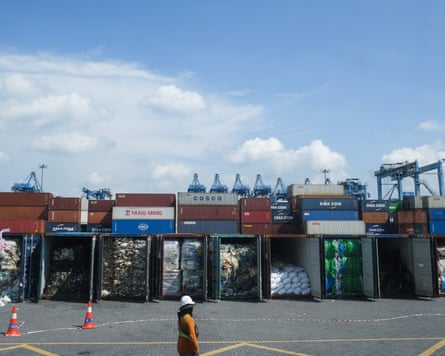
Environmental advocates and international organizations have increasingly criticized the global plastic waste trade system, arguing that it perpetuates inequality and environmental injustice. While developed nations benefit from offloading their waste management costs to poorer countries, the receiving nations bear the environmental and health consequences of improper waste processing. Toxic chemicals leach into soil and water supplies, and combustion of plastic materials releases dangerous pollutants into the atmosphere, affecting local populations' health and well-being.
The regulatory framework governing international plastic waste exports remains inadequate despite international agreements attempting to address the issue. The Basel Convention, established in 1989 to control transboundary movement of hazardous wastes, has been repeatedly amended but still contains loopholes that permit developed nations to export significant volumes of contaminated or mixed plastic materials. Recent amendments in 2021 aimed to tighten restrictions on plastic waste exports, but implementation remains inconsistent across countries.
Germany and the UK's substantial waste exports raise important questions about the efficacy of national recycling programs and circular economy initiatives promoted by these nations. Despite public messaging emphasizing sustainability and environmental responsibility, both countries continue exporting plastic waste at record volumes, suggesting that domestic recycling capacity and willingness to invest in waste processing infrastructure remain insufficient. This contradiction between environmental rhetoric and actual practice undermines public trust and reveals the true priorities of waste management systems oriented toward profit rather than sustainability.
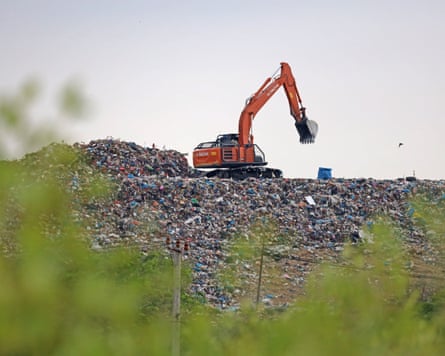
The economic incentives driving plastic waste exports are significant, as sending waste internationally often costs less than processing it domestically with proper environmental controls. Industrial waste management companies profit from facilitating these exports, and manufacturers benefit from externalized disposal costs passed to developing nations. Until the economic model changes and developed countries are required or incentivized to manage their own waste internally, volumes exported internationally are likely to remain high or increase further.
Recent investigations have documented problematic conditions at receiving facilities in destination countries, with workers exposed to hazardous conditions and communities suffering environmental degradation. Many facilities lack proper sorting, processing, and disposal equipment, leading to inefficient recycling and widespread contamination. Workers, often from economically disadvantaged backgrounds with limited access to protective equipment, face exposure to toxic plastics and chemicals while receiving minimal compensation.
The continuation of high-volume plastic waste exports from developed nations reflects a broader failure of international environmental governance and economic justice. Until mechanisms are established to hold exporting nations accountable for their waste, require domestic processing capacity investment, and ensure equitable international responsibility-sharing, vulnerable countries will continue absorbing the environmental and health costs of consumer societies elsewhere. The data uncovered through trade analysis provides concrete evidence needed to drive policy change and corporate accountability in this critical environmental issue.


