
Ghost MOTs: Beware Fraudulent Certificates

Drivers warned about fake MOT certificates leading to costly repairs. Learn how to spot fraudulent tests and protect yourself when buying secondhand cars.
The automotive market for secondhand vehicles has long been a minefield for unsuspecting buyers, and a troubling new trend is making matters significantly worse. Ghost MOTs – fraudulent certificates of roadworthiness – have become increasingly prevalent across the UK, leaving buyers with dangerous vehicles and repair bills totaling thousands of pounds. Consumer watchdogs and automotive safety experts are sounding the alarm about this widespread problem, urging potential car purchasers to exercise extreme caution and implement rigorous inspection protocols before handing over their money.
The scenario is distressingly common: a buyer purchases what appears to be a reliable secondhand vehicle, primarily because it boasts a recently valid MOT certificate. The seller assures them the car has been properly maintained and has passed the mandatory roadworthiness test. However, within days or even hours of ownership, serious mechanical issues emerge – problems that should have been identified and flagged during the MOT inspection. Unsuspecting owners then face the grim reality of substantial repair costs that they hadn't anticipated.
In one documented case, a buyer purchased an older vehicle that allegedly had a valid MOT. Upon taking it to their trusted mechanic for a routine checkup, the garage discovered that the tyres had such critically low tread depth that they would never have passed a legitimate MOT inspection. Additionally, the steering system exhibited dangerous problems that any competent examiner should have caught. This discovery raised immediate questions: had the vehicle actually been tested properly, or was the certificate entirely fraudulent?

Fraudulent MOT certificates represent a significant threat to public safety on UK roads. When vehicles with structural defects, worn safety components, or mechanical failures are granted certificates they don't deserve, they pose risks not only to their owners but to everyone sharing the road. The implications extend far beyond financial loss – they encompass genuine safety concerns that could result in accidents, injuries, or worse. Authorities have begun investigating the scale of this problem, discovering that some unscrupulous dealers and mechanics are issuing false certificates in exchange for cash payments, completely bypassing the actual inspection process.
The mechanics of the scam are straightforward but deeply problematic. A seller may take a vehicle to a corrupt testing station where, instead of conducting a thorough vehicle safety inspection, the examiner simply issues a certificate without properly examining the car. Some tests are completed in suspiciously brief timeframes – far shorter than the standard 45 minutes to an hour required for a legitimate inspection. Other times, the certificate is obtained from a different vehicle altogether, with the registration details fraudulently altered to match the car being sold.
Industry experts emphasize that legitimate MOT tests involve comprehensive examinations covering dozens of safety-critical components. These include brake systems, lighting equipment, exhaust emissions, steering functionality, suspension integrity, seatbelts, mirrors, and tire condition. A genuine test cannot be rushed; it requires methodical inspection of each system. When tests are completed in just minutes, or when obvious defects aren't noted, buyers should immediately suspect foul play.
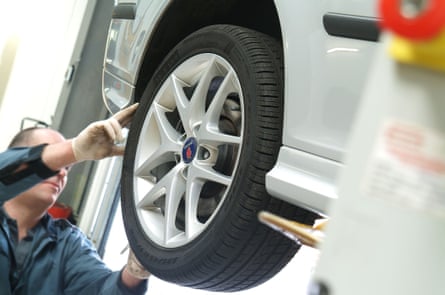
Secondhand car buyers are being urged to take a more defensive approach when evaluating potential purchases. Rather than relying solely on the presented MOT certificate, prospective owners should request independent pre-purchase inspections from reputable garages. These inspections should be thorough, itemized, and conducted by qualified mechanics with no stake in the sale. Such inspections can identify problems that might have been overlooked – or intentionally ignored – in a fraudulent MOT test.
Verification of MOT certificates through official channels is another critical step. The DVLA and the MOT testing authority maintain records of legitimate certificates, and buyers can cross-reference the vehicle's registration number and certificate details against these databases. If a certificate cannot be verified through official channels, it should be treated as potentially fraudulent. Some dealers and private sellers may claim that verification systems are slow or unavailable, but such excuses should raise immediate red flags.
Current vehicle owners who suspect they may have purchased cars with fraudulent MOTs face a complex situation. While they cannot recover their money from the original seller in many cases, they can report the issue to authorities, who investigate patterns of fraudulent certification. Some owners have had success pursuing legal action against sellers, particularly if they can prove intentional deception. Documenting everything – the original purchase agreement, the MOT certificate, repair bills from subsequent inspections, and communications with the seller – strengthens any potential case.
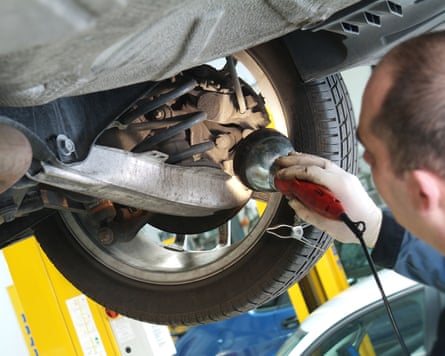
The role of MOT testing stations in combating this problem cannot be overstated. Regulatory bodies conduct surprise inspections and audits of testing facilities to identify those engaging in fraudulent practices. Examiners found to be issuing false certificates face prosecution, license revocation, and significant penalties. However, the sheer number of testing stations across the UK means that oversight, while improving, still has gaps.
Dealers and mechanics operating legitimately are understandably frustrated by this problem, as it undermines trust in the entire system and reflects poorly on honest operators. Trade organizations are calling for stricter regulatory oversight, enhanced verification systems, and harsher penalties for those caught issuing fraudulent certificates. Some have advocated for digital verification systems that would make certificate forgery more difficult and allow instant authentication by potential buyers.
Consumer protection agencies recommend that buyers always ask to see the actual MOT certificate document and verify that it contains specific details about the vehicle – including the exact registration number, make, model, and mileage. Certificates should bear official markings and reference numbers. Any discrepancies, alterations, or inconsistencies should prompt immediate investigation.
The emergence of ghost MOTs highlights a broader challenge in the secondhand automotive market: the information asymmetry between sellers and buyers. Sellers often know far more about a vehicle's true condition than buyers, and fraudulent certificates exploit this knowledge gap. To protect themselves, buyers must engage actively in due diligence, asking difficult questions, demanding transparent information, and seeking independent verification of all claims.
The financial implications of purchasing a vehicle with a fraudulent MOT can be severe. Buyers who discover major issues may face bills ranging from hundreds to thousands of pounds, depending on what problems require remediation. Beyond the financial cost, there's the frustration of discovering that they've been deceived and the potential safety risks they've been exposed to. These factors underscore why the issue demands urgent attention from regulators and consumers alike.
Moving forward, increased awareness and consumer vigilance represent the most effective immediate defense against fraudulent MOTs. By understanding how the scam operates, knowing what warning signs to look for, and taking appropriate precautions during the purchase process, buyers can significantly reduce their risk. As regulatory bodies continue strengthening oversight and enforcement, the hope is that fraudulent MOT certification will become increasingly rare, and trust in the system will be restored.
Source: The Guardian


