
Gig Nursing Apps Push Deregulation Agenda

Tech platforms lobby to expand gig work in healthcare using AI, raising concerns about worker protections and pay standards in the nursing industry.
The healthcare industry is witnessing a significant shift as gig-work platforms increasingly leverage artificial intelligence technology to reshape how nursing services are delivered across hospitals and medical facilities nationwide. A comprehensive report released this week has brought renewed attention to the aggressive regulatory lobbying efforts undertaken by billion-dollar tech companies seeking to expand their footprint in the healthcare staffing sector. These companies are actively working to remove existing labor protections and regulatory safeguards that have traditionally governed the nursing profession, sparking widespread concern among labor advocates and healthcare professionals.
The AI Now Institute has released detailed findings in its report titled "Uber for Nursing Part II: How Gig Nursing Companies Are Lobbying States to Deregulate Healthcare," which provides an in-depth examination of how artificial intelligence is being utilized to staff hospitals and other medical care facilities. The research highlights a troubling trend where technology companies are prioritizing profit expansion over worker welfare, fundamentally changing the employment landscape for nurses and healthcare workers. This second installment of the institute's investigation into gig nursing models reveals the systematic efforts these platforms are making to influence state-level legislation and regulatory frameworks.
According to the report, the expansion of gig nursing work comes at a significant cost to workers' rights, employment protections, and compensation standards. The AI-driven staffing model enables companies to maintain minimal oversight while maximizing operational flexibility and profit margins. Workers in these arrangements often lack traditional employment benefits such as health insurance, retirement plans, paid leave, and workplace safety protections that are standard in conventional nursing positions.

The deregulation lobbying efforts represent a coordinated strategy by major tech platforms to reshape how healthcare institutions hire and manage temporary staffing needs. These companies have invested substantial resources in political engagement, working directly with state legislators and regulatory agencies to weaken existing labor laws and labor standards. The push for reduced oversight specifically targets regulations that would require fair wages, guaranteed minimum hours, and comprehensive workplace safety protocols that protect nursing professionals.
Industry analysts point out that the use of artificial intelligence in healthcare staffing has enabled unprecedented speed and scale in matching workers with assignments, but at the expense of quality control and worker protections. The algorithms used by these platforms often prioritize cost reduction and availability over nurse qualifications, experience, and continuity of care. This approach fundamentally differs from traditional healthcare staffing models where professional judgment and comprehensive vetting processes ensure appropriate matching of nurse expertise to patient care needs.
The report emphasizes how gig work platforms in nursing have successfully influenced regulatory discussions in multiple states, often by framing their business model as innovative and beneficial to healthcare access. However, labor organizations and healthcare quality advocates argue that this deregulation agenda undermines patient safety and creates unsustainable working conditions for nursing professionals. The absence of proper oversight and employment protections has already resulted in documentation of quality-of-care issues and worker exploitation in some jurisdictions where these models operate with minimal regulation.
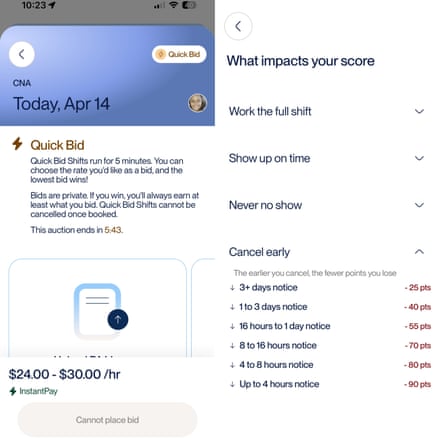
Workers' rights advocates have expressed serious concern about the implications of widespread gig nursing deregulation for the future of healthcare employment. The transition from stable, regulated employment to fragmented gig arrangements removes essential protections and creates instability for workers who depend on consistent income and benefits. Additionally, the lack of standardized training, credentialing verification, and performance accountability in gig models poses potential risks to patient safety and care quality across healthcare systems.
The AI Now Institute's research demonstrates that technology companies are deliberately downplaying or ignoring evidence of negative outcomes associated with gig nursing models. Documentation from various healthcare facilities shows instances of inadequate nurse preparation, poor communication between temporary staff and permanent teams, and gaps in continuity of care. These quality issues are often overlooked in regulatory discussions because they don't generate the immediate visibility of worker complaints or labor disputes.
Healthcare administrators and hospital executives face pressure from multiple directions regarding staffing models. While gig nursing platforms offer operational flexibility and cost savings in the short term, the long-term implications for patient care quality and institutional reputation remain uncertain. Some healthcare leaders are beginning to recognize that the savings achieved through gig work arrangements may be offset by increased liability exposure, quality-of-care issues, and staff morale problems within their organizations.
The legislative landscape surrounding healthcare worker protections continues to evolve as states grapple with pressure from both tech companies and labor organizations. Several states have begun investigating or implementing stricter oversight of gig nursing platforms, while others have moved toward deregulation in response to industry lobbying campaigns. This fragmented regulatory environment creates inconsistent standards across the country and raises questions about which approach best serves patients, workers, and the overall integrity of healthcare delivery systems.
Looking ahead, the outcome of ongoing regulatory debates will have far-reaching consequences for healthcare staffing practices and nursing employment standards nationwide. The fundamental question centers on whether innovation in healthcare staffing should prioritize technological efficiency and cost reduction or whether it should prioritize worker protections, quality assurance, and patient safety. The AI Now Institute's report serves as an important contribution to this critical conversation, providing evidence-based analysis that can inform more balanced policy decisions in the healthcare industry.
Source: The Guardian


