
Girl Group Conquers World Tours Without Debut Album

An all-female supergroup sells out UK & Ireland venues and tours stadiums globally without releasing a single record. Discover their remarkable rise.
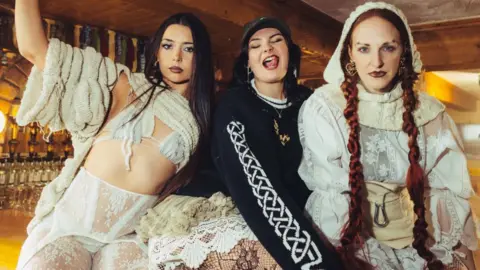
In an extraordinary turn of events within the modern music industry, a remarkable all-female supergroup has achieved what many artists spend years attempting to accomplish—they've built an international fanbase, sold out prestigious venues across multiple continents, and headlined stadium tours alongside major recording artists, all without the release of a debut album or any official studio recordings.
This unprecedented phenomenon represents a significant shift in how audiences discover, support, and engage with musical talent in the streaming era. The group's success challenges traditional industry assumptions about what it takes to establish a sustainable music career, demonstrating that in today's digital landscape, artists can cultivate devoted followings through alternative channels and live performance excellence.
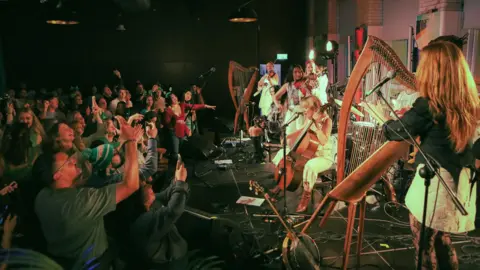
The girl group's touring success has been nothing short of spectacular, with consecutive sold-out shows across the United Kingdom and Ireland establishing them as a must-see live act. Venues of increasing capacity have welcomed the ensemble, with each performance drawing enthusiastic crowds of devoted supporters who have discovered the group through social media, word-of-mouth recommendations, and the increasingly powerful influence of fan communities online.

One of the most significant milestones in the group's career came when they secured spots on the stadium tour circuit, performing alongside internationally recognized artist Ed Sheeran. This association with a major recording artist provided substantial exposure to audiences across multiple continents, introducing the supergroup to fans who might not have encountered them through traditional music industry channels. The stadium tour experience allowed the ensemble to demonstrate their performance capabilities to audiences numbering in the tens of thousands.
The concept of a supergroup formation typically involves established artists coming together to create collaborative projects. However, this particular ensemble appears to have bypassed the conventional pathway of individual success stories converging into a unified act. Instead, the members have built their reputation collectively, leveraging the combined talents and appeal of each individual to create something greater than the sum of their parts.
Their rise to prominence without formal album releases raises fascinating questions about the evolution of the music industry and consumer behavior. The traditional model—wherein artists record albums, promote them through various media channels, build anticipation, and release singles—has long been considered the essential roadmap to success. This group's trajectory suggests that alternative pathways are not only possible but potentially more effective in certain circumstances.
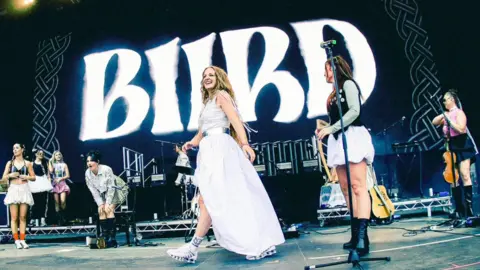
The global following that the ensemble has cultivated demonstrates the power of live performance and authentic audience connection in building sustainable careers. In an era where recorded music consumption has shifted dramatically due to streaming platforms, the ability to command packed venues and stadium-sized audiences has become an increasingly valuable asset. The group's focus on delivering exceptional live experiences appears to have resonated profoundly with their expanding fanbase.
Social media platforms have undoubtedly played a crucial role in the group's international expansion. Short-form video content, behind-the-scenes footage, and fan engagement through various digital channels have allowed the ensemble to reach potential supporters across geographical boundaries without the traditional gatekeeping mechanisms of record labels and mainstream media. This democratization of music promotion has fundamentally altered the landscape for emerging artists.
The phenomenon also reflects broader changes in how younger audiences, in particular, discover and support musical talent. Rather than relying solely on radio play, television appearances, and traditional music journalism, today's music fans actively seek out live content, participate in online communities dedicated to their favorite acts, and become ambassadors for artists they discover independently. This shift has created unprecedented opportunities for acts that can deliver compelling live performances and maintain genuine connections with their audience.
The business implications of this success story are significant for the broader entertainment industry. Record labels, promoters, and music industry professionals are increasingly recognizing that the traditional metrics for success—album sales, radio airplay, streaming numbers—may no longer be the only or even the most important measures of an artist's commercial viability and cultural impact. Live performance revenue and audience engagement metrics have become equally, if not more, important considerations.
The group's decision to forgo traditional album releases may also reflect strategic considerations about timing, artistic direction, and market positioning. By maintaining focus on live performances and building their reputation through direct audience interaction, they preserve creative flexibility and avoid the pressures and constraints that often accompany formal record releases. This approach allows them to evolve their sound and direction organically, responding to audience feedback and their own artistic development.
As the supergroup continues to expand their touring schedule and international presence, questions inevitably arise about their future direction. Will they eventually release recorded music to capitalize on their growing fanbase? Will they maintain their focus on live performance as their primary creative outlet? These decisions will likely have significant implications not only for their own career trajectory but also for how the industry perceives the relationship between recorded and live music in the modern era.
The success of this all-female ensemble also carries important implications for gender representation within the music industry. Female artists and groups continue to face systemic barriers and biases within traditional music industry structures. The ability of an all-female supergroup to achieve international touring success and stadium-sized audiences without relying on conventional industry support mechanisms represents a notable achievement in terms of representation and independence.
Industry observers and music professionals continue to monitor the group's trajectory with considerable interest, recognizing that their unprecedented path to success may foreshadow broader changes in how musical talent is developed, promoted, and monetized. As streaming technology continues to evolve, as social media platforms remain central to artist discovery, and as audiences increasingly prioritize live experiences, the traditional music industry model may continue to shift away from recorded music as the primary focus of artist development and fan engagement.
The girl group's remarkable achievement demonstrates that in the contemporary music landscape, success is achievable through unconventional means. Their sold-out venues, stadium tours, and global fanbase represent a testament to their talent, work ethic, and ability to connect authentically with audiences. Whether they eventually venture into recorded music releases or continue to build their legacy primarily through live performance, their impact on the music industry and perceptions of how artists can achieve sustained success has already proven significant and enduring.
Source: BBC News


