
Glacier Ice Block Halts Everest Route Prep

A massive chunk of glacier ice has blocked climbers' access to Mount Everest during peak season, forcing Sherpas to delay critical route preparation work.
The climbing season on Mount Everest, the world's tallest mountain standing at 29,032 feet, faces unexpected complications as a massive glacier ice block has emerged along the standard climbing route, creating significant obstacles for thousands of aspiring mountaineers. This formidable obstruction has forced experienced Sherpa guides to halt their essential preparation work during what should be one of the most critical periods for route establishment and maintenance on the mountain.
Sherpas, the skilled Himalayan porters who are instrumental to any successful Everest expedition, typically begin their route preparation weeks before the official climbing season reaches its peak. Their work includes fixing ropes, establishing camps, and creating safe passages through the treacherous terrain that characterizes the journey to Everest's summit. However, the unexpected appearance of this massive ice chunk has created a bottleneck that threatens to disrupt the carefully orchestrated climbing schedule that hundreds of expeditions depend upon.
The glacier ice obstruction represents a particularly challenging problem because of its size and location along the critical climbing path. Unlike smaller ice formations that can be relatively easily navigated or cleared, this substantial block requires significant time and effort to address safely. The Sherpas must carefully assess the structural integrity of the ice, determine the safest methods for removal or routing around it, and execute their plan without putting themselves or future climbers at unnecessary risk.
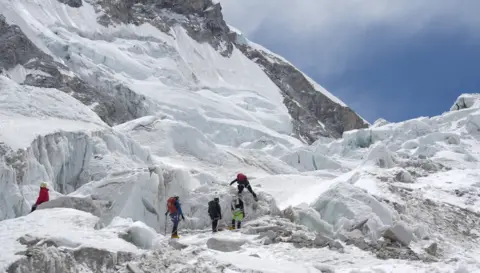
Mount Everest's climbing routes are among the most dangerous in the world, with climbers facing avalanches, crevasses, extreme weather, and altitude-related health complications. The addition of an unexpected ice blockage compounds these existing hazards and requires careful strategic planning. Route preparation is not merely a convenience but a critical safety measure that can mean the difference between a successful summit attempt and a tragedy on the mountain.
The timing of this obstruction during peak climbing season adds urgency to the situation. Peak season typically occurs during a relatively narrow window when weather conditions are most favorable and oxygen levels, while still dangerously low, are more manageable than during other parts of the year. Delays in route preparation directly translate to delays for climbers who have invested enormous amounts of money, time, and physical preparation into their expeditions.
Sherpa teams have been mobilized to address this challenge, employing their extensive knowledge of high-altitude mountaineering and glacier dynamics. These guides have navigated Everest countless times and understand the mountain's temperamental nature better than perhaps anyone else on Earth. Their expertise will be crucial in determining whether the ice block needs to be removed, routed around, or if alternative pathways can be established to circumvent the obstruction entirely.
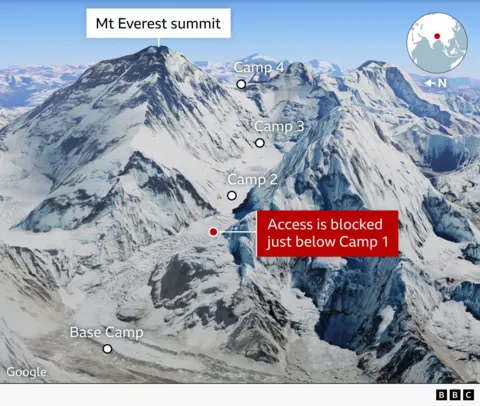
The Everest climbing season is a carefully coordinated event that involves thousands of climbers from around the world, hundreds of support staff, and intricate logistical planning. Disruptions to the established route create ripple effects throughout the entire mountain ecosystem. Camp locations may need adjustment, supply chain logistics could require recalibration, and the psychological impact on climbers already dealing with the stress of high-altitude mountaineering cannot be understated.
Climate change has been increasingly affecting Everest route conditions in recent years, with melting glaciers, shifting snow patterns, and more unstable terrain becoming more common occurrences. Some experts suggest that incidents like this ice obstruction may become more frequent as global temperatures continue to rise and mountain ecosystems respond to changing environmental conditions. The incident serves as a reminder of the dynamic and unpredictable nature of Earth's highest peaks.
Previous expeditions have faced similar challenges, though not always during the peak season when the stakes are highest. Sherpas have developed various techniques and strategies for dealing with glacier-related obstacles, drawing on generations of accumulated knowledge about Everest's specific challenges. This particular situation will likely add to that collective experience and may influence how future expeditions prepare for and respond to similar obstacles.
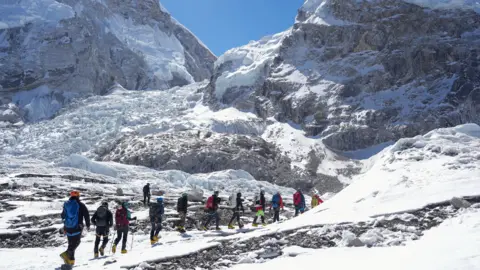
The resolution of this ice blockage will likely depend on several factors, including the exact composition and stability of the ice, the available resources and manpower to address it, and weather conditions that could either facilitate or complicate removal efforts. Sherpas may need to use specialized equipment, carefully controlled explosives, or other innovative techniques to safely clear or circumvent the obstruction. Every decision made must prioritize the safety of the teams working on the mountain.
Communication between various expedition teams, Sherpa organizations, and mountaineering authorities will be essential in managing this situation effectively. Information about route changes, delays, and alternative pathways must be shared promptly with all climbers preparing for their summit attempts. Transparency and coordination can help minimize confusion and ensure that climbers can adjust their plans accordingly.
For many climbers, reaching Everest's summit represents a lifelong dream and the culmination of years of preparation. The unexpected delay caused by this glacier ice barrier may impact some climbers' ability to attempt the summit during this season, affecting their carefully planned timelines and investments. The mountaineering community will be closely monitoring the situation as Sherpas work to restore access to the crucial climbing passages.
The broader implications of this incident extend beyond just the current climbing season. It underscores the importance of continued investment in research about mountain safety and climate change impacts on high-altitude environments. Understanding how to better predict and mitigate such obstacles could help future expeditions prepare more effectively and respond more quickly when unexpected challenges arise on the world's highest peak.
Source: BBC News


