
Global Fallout from Iran-Gulf Oil Disruption

As tensions escalate in the Middle East, the world's reliance on Gulf oil and gas has been laid bare, causing economic ripples across the globe.
The recent escalation of tensions between Iran and its neighbors in the Persian Gulf has shone a spotlight on the world's profound dependence on the region's oil and gas resources. As the conflict reverberates globally, countries around the world are grappling with the far-reaching consequences of this energy price shock.
Vulnerable Global Supply Chains
The Gulf region is a crucial nexus for global energy supplies, with a significant portion of the world's oil and natural gas passing through the strategically important Strait of Hormuz. Any disruption to this critical chokepoint can have far-reaching implications, as evident in the current crisis. The uncertainty and supply chain disruptions have led to volatile commodity prices, raising the specter of economic instability in many nations.

Ripple Effects Across Sectors
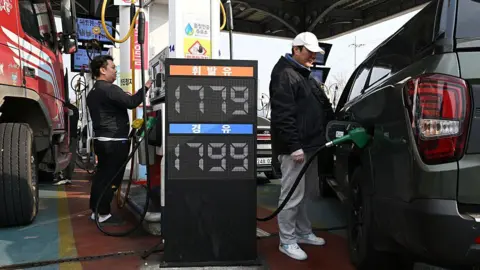
The energy price shock has had a cascading effect on various industries and sectors worldwide. From airlines and transportation to manufacturing and petrochemicals, businesses are facing the challenge of rising operational costs and tighter profit margins. Consumers, too, are feeling the pinch, as the increased prices of fuel, electricity, and other energy-dependent products impact their purchasing power and quality of life.
Geopolitical Tensions Amplify the Crisis
The Iran-Gulf conflict is not just an energy crisis, but also a geopolitical one. The region's complex web of alliances, rivalries, and power dynamics adds an extra layer of complexity to the situation. As nations take sides and pursue their strategic interests, the potential for further escalation and disruption looms large, heightening the uncertainty and volatility faced by the global community.
Calls for Diversification and Resilience
The current crisis has underscored the urgent need for the global economy to reduce its dependence on the Gulf region's energy resources and build greater resilience against such shocks. Calls for accelerated investment in renewable energy, energy efficiency, and alternative supply chains have gained momentum, as nations and businesses seek to insulate themselves from the volatility of the Middle East.
A Wake-up Call for the Future
The Iran-Gulf conflict has served as a stark reminder of the world's vulnerability to geopolitical disruptions in critical resource-rich regions. As the global community grapples with the fallout, it is clear that a fundamental shift in the way we approach energy security and international cooperation is necessary to ensure a more resilient and sustainable future.
The current crisis is a wake-up call for the world, underscoring the urgent need to reduce reliance on the Gulf's energy resources and build a more diversified and resilient global economy. As nations and businesses navigate these turbulent times, the path forward will require a concerted effort to foster greater energy security, international cooperation, and a transition to a more sustainable future.
Source: BBC News


