
Global Hunt for Hantavirus Cruise Ship Passengers

12 countries mobilize to trace passengers from MV Hondius cruise ship amid confirmed hantavirus outbreak cases. UN health agency confirms infections.
An international public health emergency has unfolded across multiple continents as authorities worldwide scramble to locate and monitor passengers who traveled aboard the MV Hondius, a luxury cruise vessel that became the epicenter of a hantavirus outbreak. The UN health agency, which has been coordinating the global response, has confirmed a minimum of five cases of the virus among individuals who were aboard the ship, triggering an urgent and unprecedented international contact-tracing operation involving approximately 12 countries.
The MV Hondius cruise ship outbreak represents one of the most geographically dispersed disease clusters linked to a single vessel in recent years. Health officials across multiple continents have activated their disease surveillance systems and are working around the clock to identify and reach out to every passenger and crew member who may have been exposed to the virus. This massive undertaking reflects the serious nature of hantavirus, a rodent-borne pathogen that can cause severe respiratory illness and potentially fatal complications if left untreated.
The international coordination required for this response highlights both the interconnected nature of modern global travel and the challenges posed by emerging infectious diseases. Countries spanning North America, South America, Europe, and Asia have reported individuals linked to the cruise ship, requiring health agencies to navigate different medical systems, languages, and regulatory frameworks while maintaining urgency. The effort demonstrates how a single point of exposure can rapidly disseminate across international borders, affecting populations far removed from the initial outbreak location.

Hantavirus, the pathogen at the center of this outbreak, belongs to a family of viruses primarily transmitted through contact with infected rodents or their droppings. The virus gained significant public attention in the 1990s when it caused a severe outbreak in the southwestern United States, but cruise ship transmission of hantavirus would be highly unusual and represents a unique scenario for epidemiologists. The presence of the virus aboard a cruise vessel raises critical questions about how passengers may have been exposed and what environmental factors may have facilitated transmission on the ship.
Maritime health regulations and protocols are now under heightened scrutiny following this incident. Cruise ships typically maintain strict sanitation procedures, but the close quarters, shared ventilation systems, and high passenger density aboard these vessels create ideal conditions for certain respiratory illnesses to spread rapidly. Health authorities are investigating whether the hantavirus cases are linked to a common exposure point on the ship, such as contaminated food storage areas, ventilation systems, or specific cabins that may have harbored infected rodent populations.
The confirmation of cases by the UN health organization has triggered a cascade of public health alerts and travel advisories affecting the identified countries. Each nation's health ministry has established dedicated hotlines and websites to help former passengers determine their exposure risk and access testing and medical evaluation if necessary. The sheer number of countries involved—approximately 12 at current count—underscores the global reach of modern cruise tourism and the potential for localized incidents to become international health concerns within days or weeks.
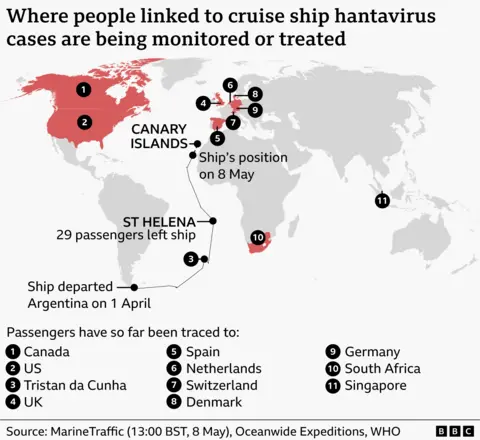
Contact tracing efforts in this situation face unique challenges compared to typical disease outbreaks. Cruise ship passengers often hail from diverse international backgrounds, may provide incomplete contact information during embarkation, and frequently travel onward to multiple destinations after disembarking. Health officials must not only locate passengers but also verify their current health status, determine their degree of exposure, and provide appropriate medical guidance based on individual risk factors and incubation periods.
The incubation period for hantavirus typically ranges from one to eight weeks, meaning that individuals who traveled on the MV Hondius could potentially still develop symptoms weeks after leaving the ship. This extended timeline complicates public health response efforts, as patients may not immediately associate their symptoms with cruise ship exposure and may not seek medical attention promptly. Healthcare providers across all affected countries have been advised to maintain elevated awareness for hantavirus symptoms, including fever, muscle aches, coughing, and difficulty breathing.
Maritime authorities and cruise industry representatives are now facing increased pressure to enhance their disease prevention protocols and pest management procedures. The cruise industry, which generates billions in annual revenue globally, has generally maintained high sanitation standards, but this outbreak suggests that rodent control measures aboard ocean-going vessels may require additional scrutiny and improvement. Companies operating international cruise ships are reportedly conducting comprehensive reviews of their environmental health and safety procedures.
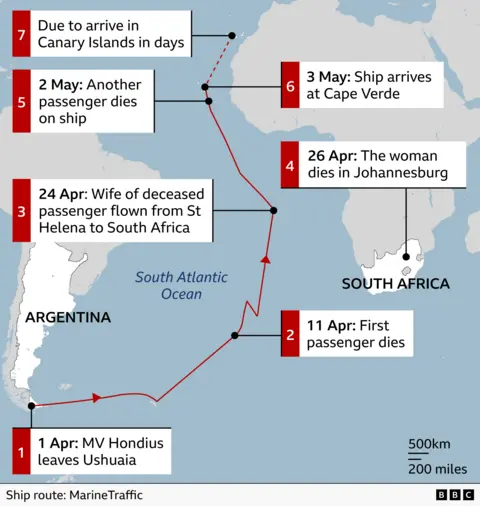
The role of the United Nations health agency in coordinating this international response cannot be overstated. As the primary international authority for disease surveillance and response coordination, the organization has issued recommendations to all member states regarding screening protocols, quarantine procedures, and clinical management of suspected hantavirus cases. The agency's confirmation of at least five cases has essentially validated the seriousness of the situation and provided epidemiological data that helps guide response efforts in individual countries.
Scientists and epidemiologists are actively investigating the source of the virus aboard the vessel. Some hypotheses suggest that rodent infestation aboard the ship may have occurred, while others propose that contamination may have been introduced through food supplies or cargo loaded before the voyage. The investigation is particularly complex because it requires understanding not only how hantavirus came to be present on the ship but also which passengers had meaningful exposure and remain at risk for developing clinical disease.
For individuals who traveled on the MV Hondius, the experience has transformed from a leisure vacation into a potential health concern requiring medical monitoring. Many passengers are likely experiencing anxiety about their exposure status and seeking information from health authorities and medical professionals. Mental health impacts and the psychological burden of being part of a disease outbreak investigation are important secondary effects that healthcare systems across affected countries are beginning to address.
This outbreak serves as a reminder that in an era of global connectivity and international travel, emerging infectious diseases can spread across continents with remarkable speed. The international health response mechanisms that exist today are far more sophisticated than those available during previous hantavirus outbreaks, yet the challenges remain substantial. The coordination between 12 countries, various health agencies, and international organizations demonstrates both the capacity and the complexity of modern disease response.
Looking forward, this incident will likely trigger policy reviews at both the cruise industry level and the international health governance level. Ports of call, vessel design standards, crew training protocols, and passenger screening procedures may all undergo modifications to reduce the risk of similar outbreaks occurring in the future. The lessons learned from the MV Hondius outbreak will inform best practices for maritime health security for years to come, potentially preventing future incidents and protecting the millions of people who cruise annually worldwide.
Source: BBC News

