
Global Ripple Effects: How the Middle East Crisis is Driving Up Prices Worldwide

Rising tensions in the Middle East have disrupted supply chains and triggered price hikes across numerous sectors, from fuel to groceries. Explore the widespread impact and warnings of potential further inflation.
The ongoing conflict in the Middle East has sent shockwaves through the global economy, with disruptions to supply chains triggering price rises across a wide range of sectors, from petrol to groceries. Accusations of price gouging have emerged, and experts warn of potentially worse inflation if the crisis continues.
To understand the far-reaching impact, let's take a closer look at how the Middle East crisis is affecting various industries and consumers worldwide.
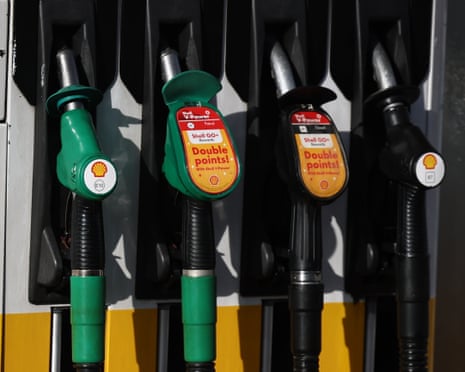
At the heart of the issue is the disruption to global supply chains, which have long relied on the stability of the Middle East region. With tensions escalating, the free flow of goods and resources has been severely hampered, leading to shortages and price hikes across numerous industries.
One of the most visible impacts has been on fuel prices, with the price of petrol skyrocketing in many countries. This is due to the region's critical role in global oil production and distribution. As supply is disrupted, the cost of crude oil has soared, leading to record-high prices at the pump.
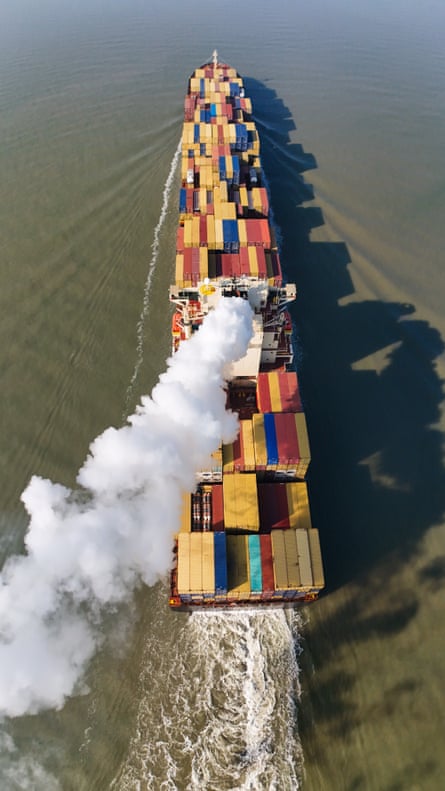
But the ripple effects extend far beyond the energy sector. The Middle East crisis has also disrupted the production and transportation of a wide range of goods, from agricultural products to manufactured items. This has resulted in shortages and price increases for everyday consumer goods, such as food, clothing, and electronics.
Across the board, businesses and consumers are feeling the pinch, with accusations of price gouging emerging in some sectors. Retailers and suppliers have been accused of unfairly inflating prices to capitalize on the crisis, further exacerbating the financial strain on households.
The situation has prompted warnings from economists and policymakers about the potential for prolonged and worsening inflation if the Middle East conflict persists. They caution that the disruption to global supply chains could lead to a sustained period of high prices and economic uncertainty, with the most vulnerable communities likely to be hit the hardest.
As the world grapples with the fallout from the Middle East crisis, governments, businesses, and consumers are all being called upon to adapt and find ways to mitigate the economic consequences. The path ahead may be challenging, but the need for global collaboration and resilience has never been more evident.
Source: The Guardian


