
GM Pays $12.75M Over Improper Use of Customer Driving Data

General Motors settles California lawsuit for collecting and selling OnStar customer driving data to third-party brokers without proper consent.
General Motors has agreed to pay $12.75 million to resolve a significant legal dispute with California authorities regarding the unauthorized collection and sale of customers' personal driving information. The settlement marks a notable development in the ongoing debate over corporate data privacy practices and the responsibilities of automotive manufacturers in protecting consumer information.
The core issue centers on how General Motors collected comprehensive driving data through its OnStar telematics service, which millions of vehicle owners rely on for emergency assistance, navigation, and vehicle diagnostics. Rather than maintaining strict control over this sensitive information, the company engaged in the practice of selling aggregated and anonymized driving data to third-party data brokers, who subsequently utilized this information for various commercial purposes.
This settlement represents one of the first major enforcement actions specifically addressing how connected vehicle services collect and monetize driver behavior data. The case highlights growing regulatory scrutiny over how automotive manufacturers handle the vast amounts of personal information generated by modern vehicles, from location tracking to acceleration patterns and driving frequency.
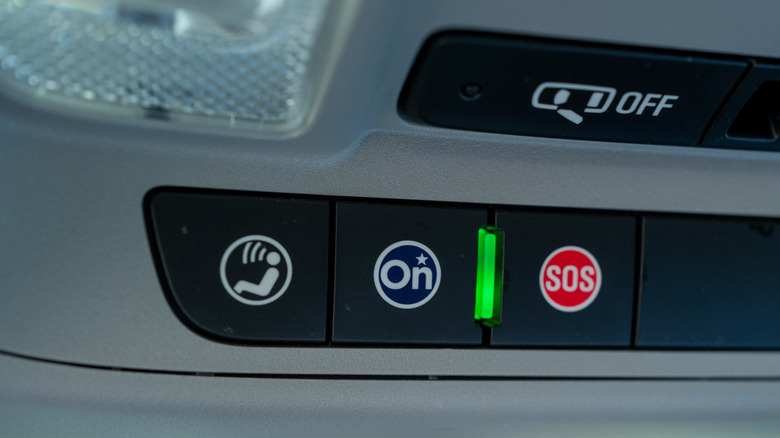
California's aggressive stance on consumer privacy rights, embodied through the California Consumer Privacy Act (CCPA), provided the legal foundation for this enforcement action. State regulators determined that General Motors did not obtain adequate informed consent from OnStar subscribers before transferring their driving data to commercial data brokers. The company failed to provide clear and transparent disclosures about how customer information would be used beyond the core vehicle services customers had contracted for.
The OnStar service, which has been a cornerstone of GM's connected vehicle strategy since its launch in 1996, collects an enormous volume of real-time data. This includes precise location information, vehicle diagnostics, driving patterns, and behavioral metrics that paint an intimate picture of customer movements and habits. When sold to data brokers, this information can be repackaged and sold to insurance companies, marketing firms, and other entities seeking consumer insights.
Industry analysts point out that the distinction between aggregated and identified data has become increasingly blurred in the modern data ecosystem. Even when personal identifiers are stripped from datasets, sophisticated analytical techniques can often re-identify individuals by cross-referencing driving patterns, routes, and timestamps with other available information sources.
The $12.75 million settlement, while substantial, represents a measured response to the violation. Legal experts note that this figure appears designed to be meaningful enough to incentivize compliance while remaining proportionate to the actual damages and privacy violation scope. For a company of General Motors' size, the financial penalty, though significant, does not approach the punitive thresholds that might be applied in more egregious corporate misconduct cases.
Beyond the monetary settlement, General Motors has been required to implement comprehensive reforms to its data collection practices and customer notification procedures. The company must now provide explicit and granular consent options for OnStar subscribers, allowing customers to opt out of data sales without losing access to core vehicle services. This represents a substantial change from the previous model, where refusing data monetization could jeopardize access to emergency services or diagnostic features.
The settlement also mandates that General Motors maintain detailed records of all data sharing agreements with third parties and conduct regular audits to ensure compliance with consumer privacy requirements. The company must demonstrate that it has effective mechanisms to honor customer preferences regarding data usage and that it regularly reviews and updates its privacy policies to reflect changing regulatory expectations and consumer concerns.
This case arrives at a critical juncture for the automotive industry, which is increasingly dependent on data collection for revenue generation and competitive positioning. Connected vehicles generate unprecedented volumes of information about driver behavior, vehicle performance, and location patterns. As automotive manufacturers develop autonomous driving systems and advanced driver-assistance features, the demand for data only intensifies, creating mounting pressure to monetize this information.
Consumer advocacy groups have praised California's enforcement action as an important step in establishing clearer boundaries around corporate data practices. Organizations focused on consumer privacy rights argue that individuals should have absolute authority over how information generated by their vehicles is used, particularly when that data reveals intimate details about personal movements and habits.
The settlement also sends a signal to other automakers that regulators are actively monitoring customer data protection practices across the industry. Several other manufacturers operate similar telematics services and data monetization programs, raising questions about whether additional enforcement actions might follow. Legal observers suggest that companies operating comparable services should immediately review their practices and enhance consumer disclosures to avoid similar regulatory exposure.
Looking forward, industry experts predict that automotive data privacy will become an increasingly prominent competitive differentiator. Consumers are growing more aware of the information their vehicles generate and more concerned about how manufacturers handle that data. Progressive automakers may gain market advantage by positioning themselves as strong privacy advocates and providing transparent, customer-friendly data policies.
The General Motors settlement underscores broader questions about the appropriate balance between corporate innovation and individual privacy rights in the connected vehicle era. As vehicles become increasingly sophisticated and data-intensive, policymakers, regulators, and industry participants will need to develop clearer standards that protect consumer privacy while allowing companies reasonable opportunities to harness vehicle-generated data for legitimate purposes.
Source: Engadget


