
GM's Super Cruise Hits Billion-Mile Mark

General Motors' hands-free driving system Super Cruise has surpassed one billion miles driven across North America, demonstrating the success of its responsible autonomous technology approach.
When Super Cruise made its debut in the premium Cadillac CT6 sedan back in 2017, it fundamentally demonstrated that there existed a methodical and responsible approach to implementing hands-free driver assistance systems in consumer vehicles. Unlike competitors such as Tesla, which deployed their Autopilot technology with fewer restrictions, General Motors took a fundamentally different approach by implementing geofencing technology that limited Super Cruise functionality exclusively to restricted-access highways that had been thoroughly pre-scanned with lidar sensors and mapped with high-definition cartography before the system's deployment. The innovative system incorporated an additional layer of safety through a driver-facing infrared camera designed to monitor driver eye movements and ensure operators maintained visual attention on the road ahead—a critical requirement for the system to remain operational.
Since its initial rollout in the flagship Cadillac sedan, General Motors steadily expanded the hands-free driving technology to an expanding portfolio of vehicle models and brands across its corporate lineup. The company has just announced that Super Cruise has achieved a remarkable milestone, surpassing one billion cumulative driven miles—equivalent to approximately 1.6 billion kilometers—across nearly 750,000 enrolled vehicles operating throughout the United States and Canada. "We're witnessing tremendous growth in both new sales and customer retention rates," explained Rashed Haq, the vice president overseeing autonomous vehicles at General Motors. "And we're continuing to grow that, both with the new sales and also we have a very high renewal rate," Haq elaborated on the system's expanding market penetration.
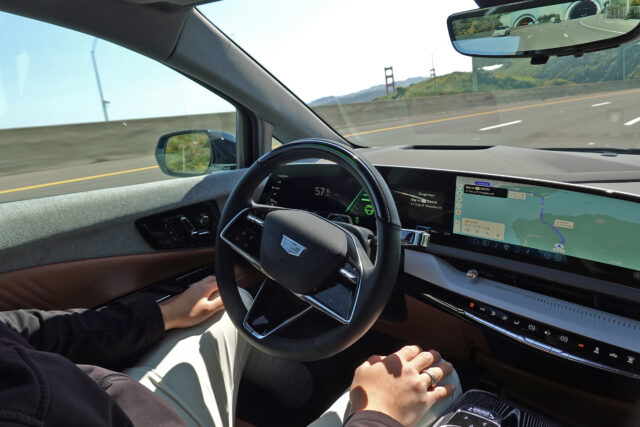
The renewal rate for GM Super Cruise subscribers currently stands at approximately 40 percent among General Motors owners who have previously activated the system, according to statements made by Haq during recent corporate communications. The impressive retention metric becomes particularly significant when considered against the service structure, whereby Super Cruise functionality is provided at no cost during an initial three-year promotional period, after which continued access requires an active OnStar subscription through GM's connected services platform. "It really shows how Super Cruise is passing what I call the toot..." Haq began explaining, indicating that the high renewal rate demonstrates customer satisfaction and acceptance of the technology beyond initial trial periods.
The billion-mile achievement represents a watershed moment for autonomous vehicle development and validates GM's strategic approach to cautious, geographically-limited deployment. Rather than attempting to deploy advanced autonomous driving capabilities universally across all road types and conditions, the company deliberately constrained the system to highways with known characteristics and predictable driving environments. This conservative methodology proved attractive to consumers and regulators alike, establishing a template for how autonomous systems could be introduced responsibly into the broader automotive market. The extensive real-world testing data collected from these billion miles has provided invaluable insights into system performance, failure modes, and user behavior patterns.
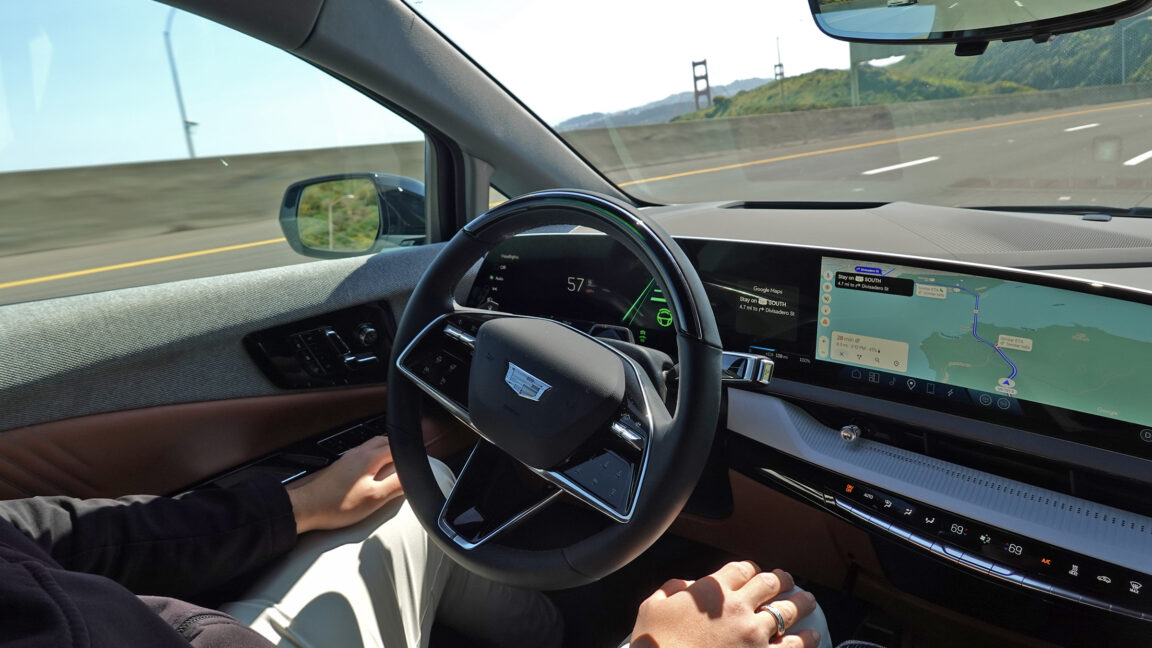
The milestone also underscores the significant technological achievement that Super Cruise represents within the autonomous vehicle industry. Unlike early autonomous systems that made headlines for their failures and limitations, Super Cruise has quietly accumulated an impressive safety record across North American highways. The combination of lidar mapping, HD cartography, driver monitoring, and geofenced operation created a system that worked reliably within its defined parameters. Each of the billion miles represents validated system operation, contributing to a growing body of evidence that autonomous driving technology can be deployed safely when properly constrained and monitored.
GM's expansion of Super Cruise beyond the original Cadillac CT6 platform demonstrates the company's confidence in the system's capabilities and market appeal. The technology now appears across multiple vehicle segments and price points, from luxury sedans to midsize crossovers and trucks, making hands-free highway driving accessible to a broader customer demographic. This democratic approach to autonomous driving technology adoption accelerated mile accumulation while simultaneously expanding the user base that benefits from highway automation. Each new model addition to the Super Cruise family brought additional vehicle purchases and fresh customer exposure to the technology.

The forty percent renewal rate following the free trial period reveals crucial information about customer perception and willingness to pay for autonomous driving capabilities. Rather than treating Super Cruise as a novelty that customers abandon once trial access expires, a substantial minority actively choose to maintain subscriptions and continue using the system. This conversion rate from free trial to paid subscriber exceeds many industry observers' initial expectations and suggests that customers recognize genuine value in the time-saving and fatigue-reducing benefits provided by highway automation. The OnStar subscription integration ensures that Super Cruise adoption remains tied to GM's broader connected vehicle ecosystem and customer relationship management strategy.
Looking forward, the billion-mile milestone positions General Motors favorably within the rapidly evolving autonomous vehicle landscape. The company has accumulated more validated real-world autonomous driving data than most competitors, creating a substantial competitive advantage in refining system performance and expanding capabilities. The geographic scope of the billion miles—spread across diverse terrain, weather conditions, and driving environments across North America—provides statistically robust performance validation. This extensive data foundation supports GM's longer-term roadmap for expanding hands-free driving systems to additional road types and environments beyond the current highway-restricted deployment model.
The achievement also carries implications for the broader automotive industry's approach to autonomous vehicle development and deployment. GM's success with a restricted-scope, heavily-monitored approach contrasts sharply with other companies pursuing broader, less-constrained autonomous driving strategies. The billion-mile validation of GM's methodology may influence industry standards and regulatory frameworks governing autonomous system deployment. As regulatory bodies worldwide grapple with how to safely integrate autonomous vehicles into existing transportation infrastructure, GM's demonstrated responsible approach offers a proven model that balances technological capability with practical safety considerations.
Source: Ars Technica


