
Google Adds Web Links to AI Overviews

Google is rolling out changes to AI Overviews, adding more website links and source citations to help users explore topics further and support publisher traffic.
Google AI Overviews have dominated the top of search results for nearly two years, fundamentally changing how users discover information online. However, this prominent placement has created significant tension with website publishers and content creators who spent considerable effort optimizing their pages for traditional Google search rankings. Many sites have reported noticeable traffic drops since the introduction of these AI-generated summaries, leading to widespread frustration across the digital publishing industry. While Google has stopped short of acknowledging responsibility for these declines, the company is now implementing a series of strategic modifications designed to reintegrate website links more prominently within AI answers.
The search giant's latest initiative aims to address publisher concerns by transforming AI Overviews from seemingly self-contained answers into gateways for deeper exploration. Google recognizes that users viewing these summaries often want to dive deeper into specific aspects of their queries, and the company is capitalizing on this insight by creating new pathways that lead readers directly to relevant web content. These changes represent a significant shift in how Google positions artificial intelligence within its search ecosystem, attempting to balance the convenience of AI-generated answers with the need to drive traffic back to original sources.
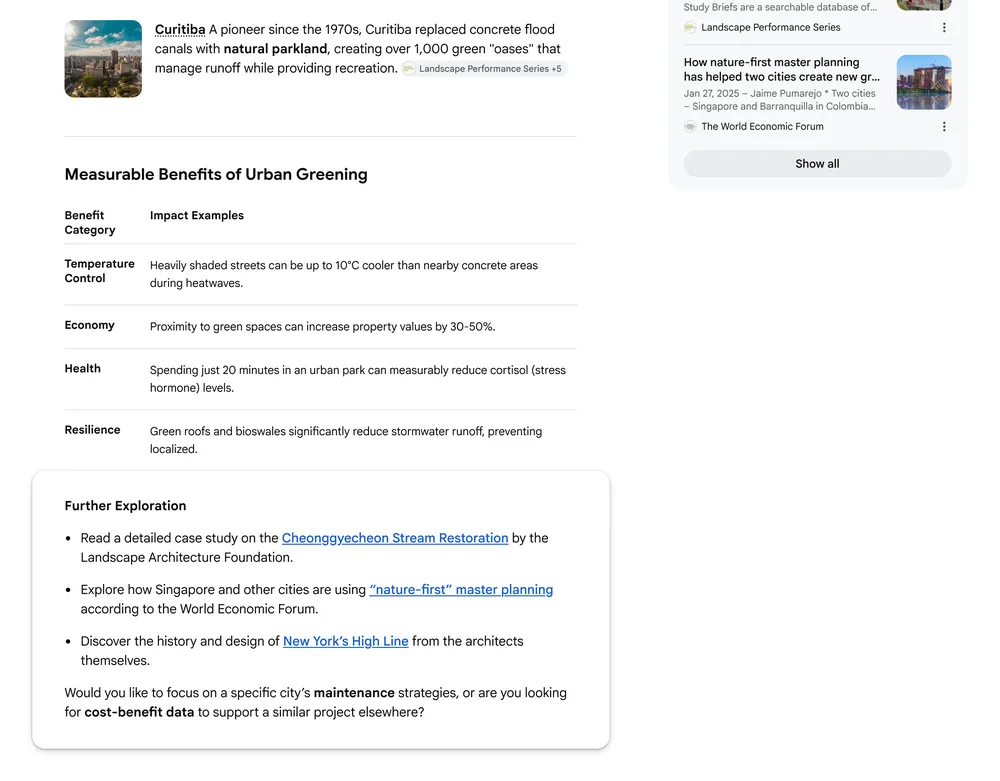
According to Google's official announcement, the company is introducing a new feature called "Further Exploration" that will appear at the bottom of both AI Overviews and AI Mode results. This dedicated section is designed to guide users toward additional articles, analyses, and resources that expand on the topics covered in the initial AI summary. The new exploration box will present these recommendations as a clean, organized bullet-point list, making it easy for users to identify and access relevant content with just a single click.

To illustrate how this feature will function in practice, Google provided a concrete example involving a search for "urban green spaces." In this scenario, the Further Exploration section would display suggested links to articles and in-depth analyses about specific urban gardening and green infrastructure projects from around the world, including initiatives in major cities like New York and Singapore. This approach allows users to transition seamlessly from the high-level overview provided by the AI to detailed case studies and location-specific information that might be more directly relevant to their particular interests or needs.
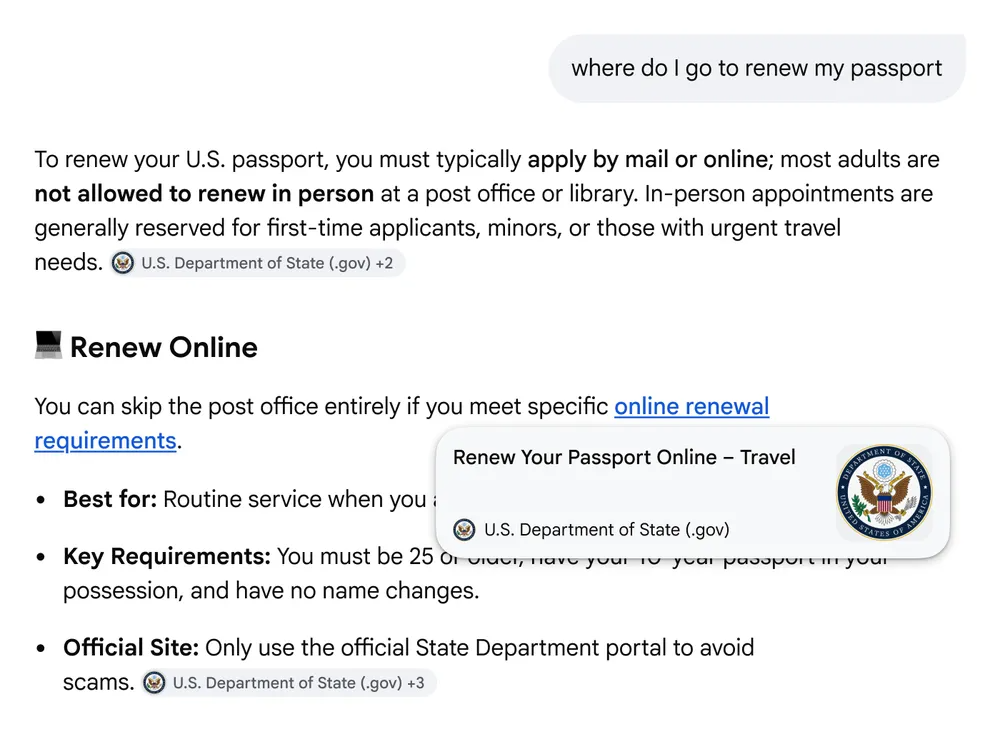
Beyond the Further Exploration section, Google is also introducing an "Expert Advice" component within AI Overviews that will feature curated snippets from authoritative sources on the topic in question. This feature represents another important mechanism through which website citations and source attribution will become more visible and prominent within AI-generated answers. By highlighting expert perspectives and credible sources, Google aims to enhance the quality and trustworthiness of its AI responses while simultaneously directing users toward authoritative publishers and content creators who have established expertise in specific domains.

The rollout of these modifications comes at a critical juncture for the publishing industry, which has grappled with the fundamental question of how to remain economically viable in an era dominated by AI-powered search results. Publishers have long expressed concerns that AI Overviews answer user queries so thoroughly that visitors have little incentive to click through to original sources. When traffic declines, advertising revenue and subscriber acquisition opportunities suffer accordingly, creating real financial pressure for media outlets, specialized information sites, and independent creators who depend on search-driven traffic.
The relationship between search engines and publishers has always been somewhat complex and interdependent. Publishers rely on search traffic to reach audiences, while Google relies on high-quality published content to provide valuable search results to its users. The introduction of generative AI into this equation has disrupted this balance, forcing both parties to reconsider how they can work together effectively in a new technological landscape. Google's latest changes suggest the company is taking these concerns seriously and attempting to engineer a middle ground that preserves the utility of AI Overviews while ensuring publishers still benefit from search visibility.
Industry observers have noted that Google's approach to this problem reveals the company's understanding that user experience and publisher interests are not necessarily mutually exclusive. By providing multiple pathways for users to access both AI summaries and original sources, Google can theoretically satisfy both audiences: users get quick answers and easy navigation to deeper content, while publishers see more traffic flowing back to their websites. Whether this balance will prove sufficient to address publisher concerns remains an open question that will likely depend on how effectively users engage with the new exploration and expert advice features.
The implementation of these features will also influence how content creators and SEO professionals approach search optimization going forward. With more emphasis being placed on source citations and expert content within AI Overviews, publishers may need to adjust their strategies to ensure their material is recognized as authoritative and relevant by Google's AI systems. This could involve greater emphasis on demonstrating expertise, building authority in specific subject areas, and creating content that clearly addresses common user questions about particular topics.
Looking ahead, these changes represent just the first phase of what will likely be a longer evolutionary process as Google continues to refine how artificial intelligence integrates with its core search product. The company has indicated that additional modifications are under consideration, suggesting that the current rollout is a strategic response to early feedback from both users and publishers about how AI Overviews could be improved. As AI search technology continues to mature and become more sophisticated, Google will need to continually assess how to optimize the value proposition for all stakeholders involved in the search ecosystem.
For now, the addition of Further Exploration sections and Expert Advice components represents a meaningful step toward rebalancing the relationship between AI-generated answers and traditional web search results. Whether these measures will fully reverse the traffic declines experienced by publishers or simply slow their progression remains to be seen, but the changes do demonstrate Google's commitment to addressing legitimate concerns about how AI Overviews have impacted the online publishing landscape.
Source: Ars Technica


