
Google AI Engineer Claims Unfair Dismissal Over Israel Work Protest

An AI engineer at Google DeepMind alleges wrongful termination after distributing leaflets criticizing military AI contracts. Employment tribunal examines ethics concerns.
In a significant development highlighting tensions between corporate practices and employee activism, Google faces a legal challenge from a former AI engineer who contends he was unfairly dismissed following his vocal opposition to the company's work with the Israeli government. This case represents another chapter in the ongoing debate surrounding ethical AI development and the responsibilities of technology companies in conflict zones. The employment tribunal claim marks a pivotal moment in how workers within major tech firms are addressing concerns about military applications of artificial intelligence.
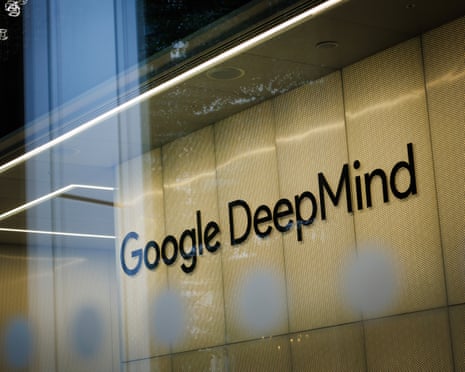
The dismissed engineer, employed at Google DeepMind's London offices, took direct action to voice his concerns about the company's military contracts. He distributed printed leaflets throughout the workplace bearing the stark message: "Google provides military AI to forces committing genocide," while simultaneously posing a provocative question to his colleagues: "Is your paycheck worth this?" This grassroots campaign represented an attempt to mobilize internal opposition and encourage critical examination of the company's strategic partnerships and ethical positioning.
Beyond the physical distribution of materials, the engineer engaged in additional advocacy efforts that underscored the depth of his commitment to the cause. He sent multiple emails to colleagues detailing his concerns about Google's 2025 decision to abandon its previous commitment to refrain from developing weapons systems capable of causing indiscriminate harm. Additionally, he highlighted the company's pursuit of surveillance technologies that he argued violated established international legal standards and norms. These communications represented a comprehensive attempt to educate and persuade fellow employees about what he perceived as ethical violations.
The engineer's activism extended further into calls for collective action and worker organization. He explicitly encouraged colleagues to consider unionization as a mechanism through which they might collectively advocate for changes to company policies and practices. This appeal to solidarity and collective bargaining power represented a strategic escalation of his individual protest efforts, seeking to transform isolated concerns into a broader movement for institutional change within the organization.
The dismissal that followed these protest activities now forms the crux of the employment tribunal claim, with the engineer's legal representatives arguing that his termination was a direct consequence of his protected speech and activism rather than legitimate performance or conduct issues. The case raises fundamental questions about workplace rights, freedom of expression, and the extent to which corporations can discipline or remove employees for objecting to company policies or contracts they believe to be unethical or harmful.
This situation reflects a broader pattern of concern within the technology sector regarding AI ethics and military applications. Over the past several years, numerous technology professionals have expressed reservations about the development and deployment of artificial intelligence systems in military contexts. Concerns have centered on issues of autonomous weapons systems, surveillance capabilities that could infringe on civilian privacy, and the potential for AI-powered technologies to be used in ways that violate humanitarian principles or international law.
Google's evolution on this issue has itself been noteworthy and contested. The company had previously published AI principles that included commitments to avoid developing certain categories of weapons and surveillance systems. However, the 2025 decision to modify or abandon these commitments represented a significant policy shift that triggered considerable internal dissatisfaction and external scrutiny from civil society organizations, academic institutions, and international bodies focused on technology governance and human rights.
The specific context of Israeli military operations adds particular urgency and sensitivity to this matter. The company's provision of military AI technology to Israel has been the subject of significant controversy both within Google and among its critics worldwide. Concerns about the use of such technologies in the occupied Palestinian territories and surrounding conflict zones have been raised by human rights organizations, United Nations bodies, and technology ethics specialists who argue that AI systems deployed in military contexts require exceptional scrutiny and oversight.
The engineer's allegations suggest that Google responded to his protest activities with disciplinary action culminating in termination of his employment. His legal claim will presumably examine whether his dismissal constituted unlawful retaliation for protected employee speech or legitimate exercise of workplace rights. Employment law in many jurisdictions, including the United Kingdom where Google DeepMind's London offices operate, provides various protections for employees who engage in lawful protest, activism, or raise concerns about company practices.
This case arrives at a moment of intensifying scrutiny regarding corporate responsibility in AI development. Technology companies increasingly face pressure from multiple stakeholders—employees, investors, civil society, and government bodies—to demonstrate that their development and deployment of artificial intelligence technologies align with ethical principles, respect for human rights, and compliance with international law. The willingness of employees to challenge company decisions and protest perceived ethical violations has become an important mechanism through which such accountability is pursued.
The broader implications of this employment tribunal claim extend beyond the individual circumstances of this engineer's dismissal. The case will likely influence how other technology companies approach employee dissent, internal activism, and the articulation and enforcement of corporate ethics policies. Furthermore, the proceedings may contribute to ongoing legal and policy discussions about the appropriate boundaries of corporate authority and the protection of worker rights in the context of increasingly ethically fraught technological decisions.
Google has not publicly commented extensively on the specifics of this case, though the company has previously defended its approach to AI ethics and military partnerships by emphasizing the importance of engagement with democratic governments and institutions. The company has argued that refusing to work with government agencies could be counterproductive, potentially pushing such work toward less ethically constrained competitors or removing beneficial oversight mechanisms.
The engineer's case also reflects broader conversations within the technology sector about unionization efforts and collective action. Throughout 2024 and 2025, various groups of technology workers have pursued unionization campaigns, seeking greater voice in corporate decision-making processes and collective protection for individuals who raise ethical concerns. These efforts have been particularly pronounced at large technology companies that have made significant investments in military and government contracts.
As the employment tribunal proceeding unfolds, it will likely examine questions about the timing of the dismissal, the expressed reasons for termination, evidence of policy violations that might justify the dismissal, and the company's response to other instances of employee activism. The outcome could establish important precedent regarding the extent to which companies can constrain or punish employee political speech and activism even when such activities occur in the workplace or involve company-related matters.


