
Google DeepMind Enters Union Talks Over AI Defense Concerns

Google DeepMind agrees to formal union negotiations as workers raise concerns about AI use by US and Israeli governments in defense operations.
In a significant development for the tech industry, Google DeepMind has announced it will enter formal negotiations with UK-based trade unions, marking a watershed moment for labor representation in the artificial intelligence sector. The decision comes in response to mounting concerns from hundreds of employees at the company's London headquarters who have voted to unionize, citing ethical worries about how their technological innovations are being deployed by government agencies.
The groundbreaking agreement represents a pivotal shift in how major technology companies engage with organized labor, particularly regarding contentious applications of artificial intelligence. Workers at the facility have been growing increasingly vocal about the use of AI technology by both the US and Israeli governments for defense and intelligence purposes, with many signing petitions and formally requesting union representation to address these ethical dilemmas.
Leading the negotiations will be representatives from the Communications Workers Union and Unite, two of the UK's largest trade organizations. These discussions will take place through the formal mechanisms of the Advisory, Conciliation and Arbitration Service (Acas), which specializes in resolving workplace disputes and facilitating dialogue between employers and employee organizations. This structured approach signals that both parties are committed to finding constructive solutions to the issues at hand.
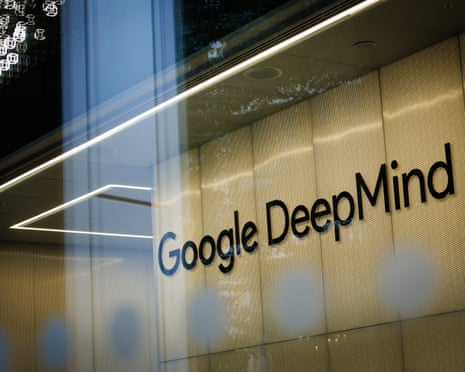
The Google DeepMind division, which operates as the artificial intelligence research arm of the multi-trillion dollar Google conglomerate, has long been at the forefront of cutting-edge machine learning research. Under the leadership of Nobel Prize-winning researcher Demis Hassabis, the organization has made tremendous strides in developing advanced AI systems that have applications across numerous industries and sectors.
The petition and unionization vote that prompted this agreement reflects a broader trend of tech workers becoming more politically engaged and ethically conscious about the ultimate applications of their work. Staff members have specifically raised concerns about how their technological innovations could be weaponized or used in ways that might contribute to human rights violations or military escalation.
This movement aligns with similar actions taken by employees at other major technology companies in recent years, where workers have demanded greater transparency and accountability regarding government contracts and defense applications. The AI ethics debate has become increasingly prominent as artificial intelligence systems grow more sophisticated and powerful, with workers seeking assurances that their labor is being used responsibly.
The involvement of the Communications Workers Union and Unite represents a formidable mobilization of union resources and expertise in negotiating with one of the world's largest and most influential technology corporations. These organizations bring decades of experience in labor negotiations, having previously represented workers across telecommunications, manufacturing, and various service industries.
Google DeepMind's decision to engage in formal talks through Acas demonstrates recognition that the concerns raised by its workforce cannot be dismissed or handled through informal channels alone. The company's willingness to participate in structured negotiations suggests it takes the issues seriously and is prepared to explore potential remedies or policy adjustments that might address worker concerns.
The broader context for these negotiations involves ongoing debates within governments around the world about the appropriate regulation of artificial intelligence development and deployment. Many nations are grappling with how to balance innovation and economic competitiveness with ethical considerations and potential risks associated with advanced AI systems.
Several hundred employees at the Google DeepMind London headquarters participated in the recent unionization vote, indicating substantial grassroots support for formal union representation. This level of participation demonstrates that the concerns about defense AI applications are widely shared across the workforce, not limited to a small activist minority.
The specific concerns about US and Israeli government use of artificial intelligence in defense and intelligence contexts reflect the reality that many advanced AI systems developed by companies like Google DeepMind have potential military applications. Workers are asking fundamental questions about their moral responsibility for how their creations are used and whether they should have input into such decisions.
This situation exemplifies the growing tension between technology workers' idealism about their craft and the realpolitik of government procurement and national security interests. Many engineers and researchers entered the tech industry with hopes of advancing human knowledge and solving complex problems, but increasingly find themselves uncomfortable with how their work is being applied in military or surveillance contexts.
The agreement to enter formal negotiations through Acas represents a potential blueprint for how other technology companies might address similar concerns from their workforces. It demonstrates that dialogue, structured negotiation, and willingness to engage with union representatives can help bridge the gap between worker concerns and corporate objectives.
Looking ahead, these talks could result in various outcomes, ranging from policy changes regarding government contracts to formal agreements about worker consultation on sensitive projects. The specific details of what emerges from these negotiations will likely be closely watched by other tech companies and their employees, as well as by labor organizers seeking to expand union representation in the tech sector.
The tech industry unionization movement has been gaining momentum, with employees at various companies seeking greater voice in decisions affecting their working conditions and the ethical implications of their labor. Google DeepMind's agreement to negotiate represents a significant concession that acknowledges workers have legitimate claims to input on these matters.


