
Google Eyes SpaceX Partnership for Space Data Centers

Google explores groundbreaking collaboration with SpaceX to develop orbital data centers, marking a significant shift in cloud infrastructure strategy.
Google is reportedly in discussions with SpaceX regarding an ambitious partnership that could revolutionize how cloud computing infrastructure operates. The tech giant has been exploring the concept of deploying orbital data centers in space, a move that represents a fundamental reimagining of data storage and processing capabilities. According to multiple sources, Google commenced preliminary work on this innovative initiative toward the conclusion of 2025, signaling the company's commitment to exploring next-generation infrastructure solutions beyond terrestrial limitations.
The potential collaboration between these two industry leaders would represent an unprecedented fusion of cloud computing expertise and aerospace innovation. By leveraging SpaceX's advanced satellite and rocket technology, Google aims to explore the feasibility of establishing data processing facilities in orbit around Earth. This groundbreaking approach could fundamentally alter the landscape of global data management, offering reduced latency for certain applications and potentially circumventing traditional geographical constraints that have long defined the data center industry.
The concept of space-based data centers presents both remarkable opportunities and significant technical challenges that would require collaborative problem-solving between the two organizations. Such facilities could theoretically provide enhanced security, improved disaster recovery capabilities, and unprecedented computational resources positioned beyond traditional infrastructure vulnerabilities. However, the implementation would demand advances in thermal management, radiation shielding, power generation in space, and the development of entirely new protocols for maintaining data integrity in the orbital environment.
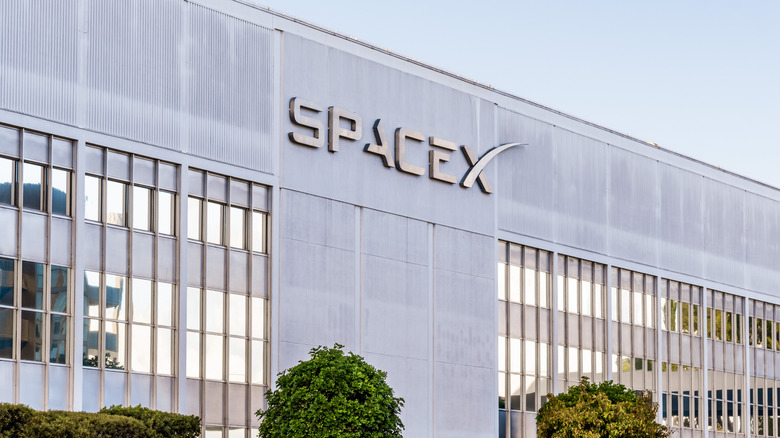
Google's exploration of orbital infrastructure aligns with the company's broader strategy of diversifying its data center portfolio and reducing dependence on Earth-based facilities. The search and cloud services provider has consistently invested in innovative infrastructure solutions, from underwater data centers to geothermal-powered facilities. Adding space-based computation to this portfolio would represent the ultimate expression of the company's willingness to experiment with unconventional approaches to handling the world's exponentially growing data demands.
The timing of these discussions reflects the increasing strain on traditional data center infrastructure as artificial intelligence, machine learning, and global connectivity demands accelerate. Major technology companies are increasingly seeking alternative solutions to accommodate exponential growth in computational requirements while maintaining efficiency and sustainability. Google's consideration of orbital facilities demonstrates how seriously the company is taking the challenge of meeting future infrastructure needs in creative and potentially transformative ways.
SpaceX has been systematically building the capability to support such ambitious projects through its Starship development program and expanding constellation of communications satellites. The aerospace company's rapid innovation cycle and proven ability to execute complex space missions make it a logical partner for such an undertaking. Additionally, SpaceX's demonstrated commitment to lowering launch costs through reusable rocket technology could make the economics of orbital infrastructure increasingly viable over time.
The potential advantages of orbital data centers extend beyond simple technical innovation. Such facilities could theoretically operate independently of national borders and terrestrial regulatory frameworks, though this aspect would require careful navigation of international space law and agreements. The continuous orbital position would enable unique capabilities for serving global markets with consistently low latency, potentially revolutionizing how content delivery networks function across continents and oceans.
Energy considerations represent another crucial dimension of this theoretical partnership. Space-based data centers would need to generate their own power through solar panels or other means, eliminating the traditional grid dependency that characterizes ground-based facilities. While solar power is abundant in space, the engineering challenges of maintaining reliable power generation while managing the thermal dissipation from powerful computing equipment in the vacuum of space present formidable obstacles that both companies would need to address collaboratively.
The security implications of moving data processing to orbit cannot be overlooked. Orbital infrastructure would theoretically be less susceptible to physical attacks or terrestrial-based cyber threats, offering Google an additional layer of protection for sensitive operations. However, new security paradigms would need to be developed to protect against space-based vulnerabilities and ensure that data transmitted between orbital and ground-based systems remains secure throughout the communication chain.
Industry analysts have noted that while the concept remains experimental, the combination of Google's computational expertise and SpaceX's aerospace capabilities could accelerate the development timeline considerably. The partnership would likely require significant investments in research and development, testing protocols, and the construction of specialized hardware designed specifically for the space environment. Both companies have demonstrated their willingness to commit substantial resources to moonshot projects, suggesting that if the collaboration moves forward, it could receive adequate funding and attention.
The regulatory landscape surrounding such ventures remains in development, with international space agencies and governments beginning to establish frameworks for commercial space infrastructure. Google and SpaceX would need to work closely with regulatory bodies to ensure compliance with existing space treaties while advocating for frameworks that support innovative infrastructure development. This regulatory engagement would likely become an integral component of any long-term development program.
Competitors in the cloud computing market, including Amazon Web Services, Microsoft Azure, and others, are undoubtedly monitoring these developments closely. The successful implementation of orbital data center technology could provide Google with significant competitive advantages in performance, resilience, and global service delivery. This potential development underscores how the technology industry continues to push boundaries in search of next-generation solutions to fundamental infrastructure challenges.
As this exploration progresses, the implications for the broader technology ecosystem could prove substantial. The success of orbital facilities could inspire similar projects from other technology and aerospace companies, potentially accelerating the development of space-based infrastructure as a mainstream component of global computing architecture. The partnership between Google and SpaceX, if realized, would represent a watershed moment in the evolution of cloud computing and space technology integration.
Source: Engadget


