
Google Home Upgrades Gemini AI Voice Assistant

Google Home gets Gemini 3.1 AI upgrade with improved camera controls and smarter voice command processing for smart home devices.
Google has unveiled a significant expansion to its Google Home smart home platform, introducing an enhanced version of its Gemini voice assistant that promises to deliver more intuitive and reliable performance across connected devices. The technology giant's latest rollout represents another major milestone in its ongoing effort to transform how users interact with their smart home ecosystems through artificial intelligence. The update builds upon the comprehensive AI-powered redesign that Google initiated in the previous year, which fundamentally restructured the Home application and its underlying capabilities.
The centerpiece of this announcement is the integration of Gemini 3.1, Google's latest large language model, into the voice assistant functionality of Google Home speakers and displays. Early access users have already begun receiving this update, granting them access to the enhanced AI engine that was initially unveiled on other platforms back in February. However, this represents the first time that Google's dedicated smart home devices will fully leverage the capabilities of Gemini 3.1, marking a crucial step forward in the company's vision for more sophisticated home automation.
According to Google's official statement, the primary advantage of deploying Gemini 3.1 to Home devices centers on the model's significantly improved ability to handle complex, multi-step voice commands. The upgraded assistant can now engage in more sophisticated advanced reasoning processes that allow it to parse intricate user requests, understand contextual nuances, and execute compound instructions with greater accuracy than its predecessors. This capability addresses a longstanding complaint from users who have struggled with voice assistants misinterpreting or failing to complete complex tasks involving multiple smart home devices or sequential actions.
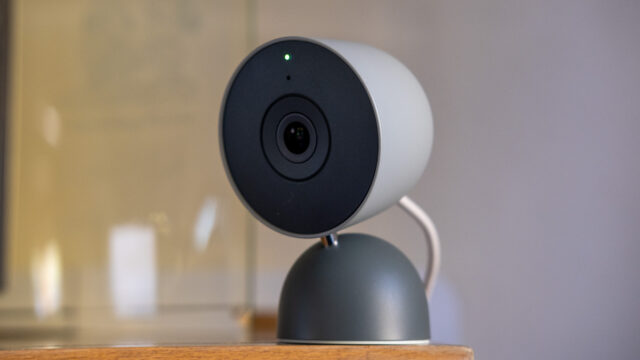
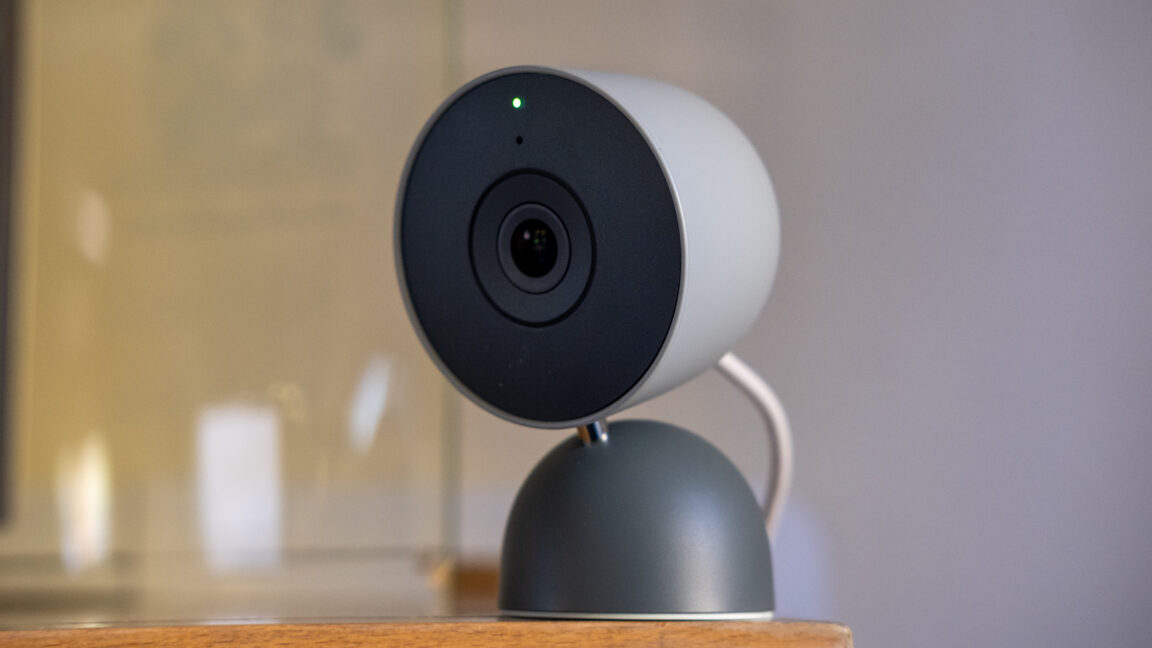
Beyond voice command improvements, the update introduces substantial enhancements to how users manage and view security camera feeds throughout their homes. Google has redesigned the camera navigation interface within the Home application to make accessing, reviewing, and controlling multiple camera streams significantly more intuitive. The new layout consolidates camera controls and feed displays in ways that reduce the friction users previously experienced when trying to check on different areas of their properties simultaneously.
Another critical feature being rolled out involves improved AI event labeling for security cameras. Google's computer vision algorithms now provide more precise and straightforward categorization of detected activities, such as distinguishing between people, animals, packages, and vehicles with enhanced accuracy. This means users will receive more meaningful notifications and clearer context about what their cameras have detected, rather than vague or redundant alerts that cluttered notification queues in the past.
Google has demonstrated the advanced capabilities of Gemini 3.1 through various independent AI evaluation benchmarks that the company cites as validation for the upgrade. The model showed measurable improvements in tests such as ARC-AGI-2, which assesses general reasoning capabilities, and Humanity's Last Exam, a comprehensive evaluation of multi-disciplinary knowledge and problem-solving abilities. These benchmark results suggest that the underlying intelligence powering the Home voice assistant has meaningfully evolved in its capacity to handle nuanced requests and complex reasoning tasks.
The deployment strategy Google has chosen emphasizes gradual adoption through its early access program before broader public availability. This phased approach allows the company to gather real-world usage data, identify potential issues, and refine the experience based on actual user interactions with the new Gemini 3.1-powered assistant. Early testers in the early access channel should already be experiencing these improvements, while the company works toward expanding availability to all Google Home users.
The improvements to voice command processing represent a substantial leap forward for home automation enthusiasts and everyday users alike. Rather than requiring simplified, single-action requests, users can now compose more natural language instructions that chain multiple actions together. For example, a user might say something like "When I leave home, turn off all the lights, lock the doors, and set the thermostat to away mode," and the upgraded Gemini 3.1 engine can properly parse and execute each component of that complex directive.
Google's ongoing commitment to expanding Gemini's presence across its hardware ecosystem reflects the company's broader strategic bet on artificial intelligence as the defining technology of the next decade. By positioning Gemini as the core intelligence layer in smart home devices, Google aims to establish itself as the preferred platform for AI-driven home automation. This strategy contrasts with competitors who have pursued different approaches to integrating AI into their smart home offerings.
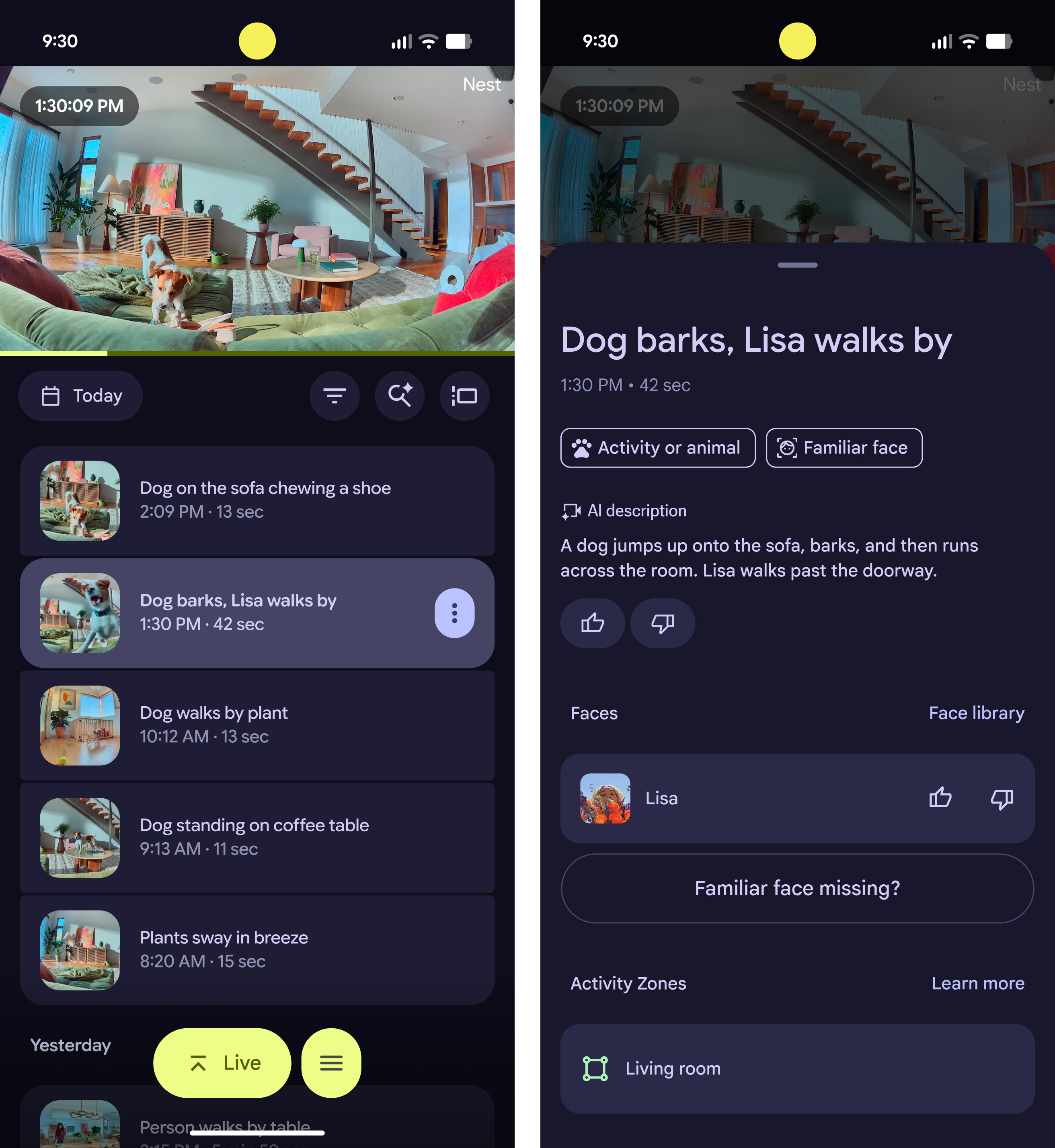
The camera control enhancements address specific pain points that have frustrated smart home users managing multiple security cameras across their properties. Previously, reviewing feeds from different cameras required navigating through multiple menus and screens, creating a cumbersome experience especially when users needed to quickly check on different areas. The redesigned interface consolidates these functions into a more fluid workflow that acknowledges how people actually use security cameras in their daily lives.
The event labeling improvements powered by Gemini 3.1's enhanced vision capabilities should significantly reduce alert fatigue that many security-conscious homeowners experience. Rather than receiving notifications for every minor motion detection, users will receive smarter notifications that distinguish significant events from irrelevant movement. This could mean the difference between being alerted to a package delivery versus being notified about a leaf blowing across the camera's field of view.
Looking ahead, these updates suggest Google's trajectory for the Home platform and its voice assistant capabilities. The company appears committed to pushing the boundaries of what voice-controlled smart home assistants can accomplish, leveraging advances in large language models to create more sophisticated and context-aware interactions. As Gemini continues to evolve and receive updates, users can expect the Home ecosystem to become progressively more capable at understanding and executing complex home automation scenarios.

For consumers considering smart home investments or those already deeply integrated into the Google Home ecosystem, this update represents a meaningful step forward in functionality and reliability. The combination of enhanced voice assistant capabilities and improved camera management tools addresses two critical components of most smart home setups. As Google continues rolling out these features to all users, the broader smart home market may shift its expectations around what voice-controlled assistants should realistically accomplish.
Source: Ars Technica


