
Google I/O 2026: Complete Announcement Rundown

Discover all the major announcements from Google I/O 2026, including Gemini Spark, Omni, Search innovations, Shopping features, and XR developments.
Google's highly anticipated annual developer conference, Google I/O 2026, delivered a comprehensive showcase of the company's latest innovations and strategic directions across artificial intelligence, search technology, commerce, and extended reality applications. The event, which serves as a crucial platform for unveiling cutting-edge technologies and product roadmaps, featured numerous groundbreaking announcements that are poised to reshape how users interact with technology and how developers build applications for the future.
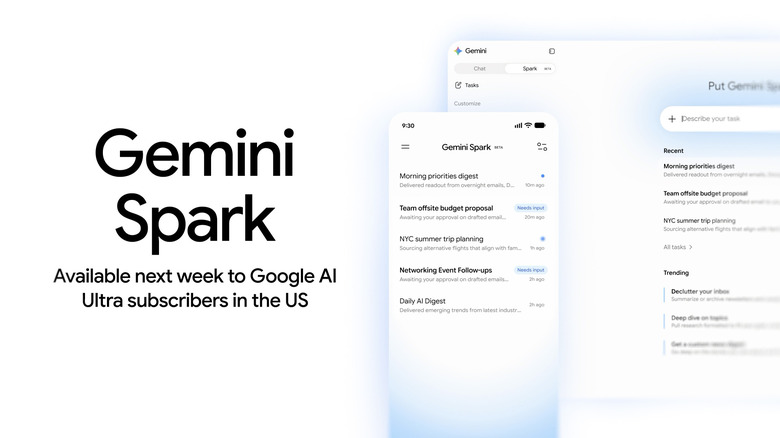
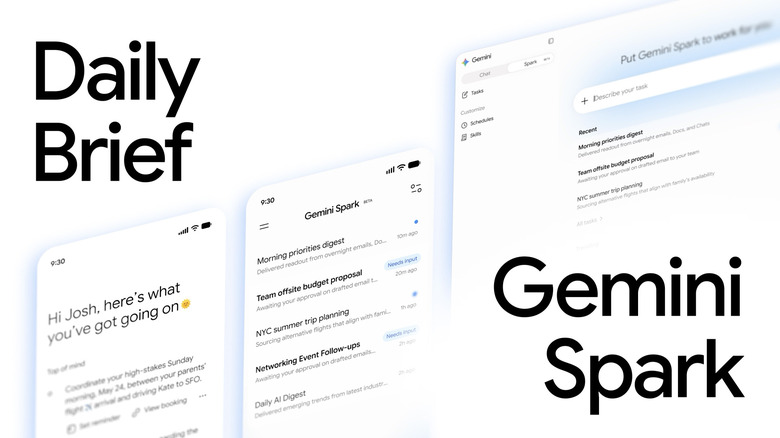
Among the most significant Google I/O 2026 announcements was the introduction of Gemini Spark, representing a major evolution in Google's artificial intelligence capabilities. This latest iteration of the Gemini AI model demonstrates substantial improvements in processing speed, contextual understanding, and real-world application performance. The new model was designed with developer feedback in mind, incorporating enhanced APIs and integration tools that make it significantly easier for third-party developers to incorporate advanced AI functionality into their applications and services.
Google also unveiled Gemini Omni, another cornerstone announcement that showcases the company's commitment to multimodal AI advancement. This sophisticated model excels at processing and understanding diverse input types simultaneously, including text, images, audio, and video, enabling more natural and intuitive human-computer interactions. The Gemini Omni technology promises to transform how users communicate with AI systems, eliminating the need for separate specialized models for different media types and streamlining the development process for engineers building multimodal applications.
On the search front, Google introduced substantial enhancements to its Search capabilities that reflect the company's ongoing effort to maintain its dominance in information discovery and retrieval. The improvements leverage advanced AI technologies to deliver more precise, contextually relevant results that better understand user intent and provide comprehensive answers to complex queries. These updates also introduce more visually rich search results, improved local search functionality, and enhanced integration with knowledge graphs, making it easier for users to find exactly what they're looking for in increasingly intuitive ways.
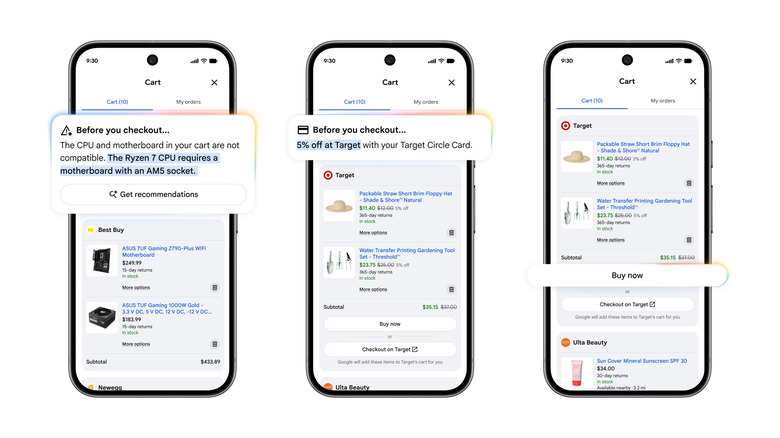
The Google Shopping ecosystem received significant upgrades during the conference, with new features designed to enhance the e-commerce experience for both merchants and consumers. These improvements include more sophisticated product discovery mechanisms, enhanced visual search capabilities powered by advanced image recognition, and streamlined checkout processes that reduce friction in the purchasing journey. Google emphasized how these shopping innovations integrate seamlessly with both Search and other Google products, creating a cohesive commerce ecosystem that benefits retailers of all sizes.
Extended reality, commonly referred to as XR technology, emerged as another major focus area at this year's conference. Google outlined its comprehensive vision for the future of immersive computing, demonstrating how augmented reality and virtual reality applications are becoming increasingly integral to everyday digital experiences. The company showcased developments in AR glasses technology, spatial computing applications, and XR development tools that will empower creators to build the next generation of immersive experiences for users around the world.
Beyond these major headline announcements, Google I/O 2026 featured numerous other significant developments that deserve attention. The company introduced improvements to its cloud infrastructure, announced new security features across its product portfolio, and demonstrated advances in machine learning frameworks that will benefit researchers and developers. Additionally, Google shared updates on its commitment to privacy protection, sustainability initiatives, and accessibility features that make its technologies more inclusive and equitable for users worldwide.
The developer-focused announcements included comprehensive updates to Google's API ecosystem, new libraries and frameworks for AI application development, and expanded opportunities for third-party integrations. Google emphasized its continued investment in supporting developers at all skill levels, from beginners learning to code for the first time to experienced engineers building complex distributed systems. The company also highlighted new partnership opportunities and program initiatives designed to accelerate innovation and help developers bring their ideas to market more quickly and effectively.
One particularly noteworthy aspect of this year's conference was Google's emphasis on practical, real-world applications of emerging technologies. Rather than focusing solely on theoretical capabilities, the company demonstrated how its latest innovations are already solving concrete problems for businesses, organizations, and individual users. Case studies and live demonstrations showed how enterprises are leveraging Google's latest technologies to improve operational efficiency, enhance customer experiences, and create new revenue streams through innovative products and services.
The conference also featured extensive discussion about responsible AI development and deployment. Google articulated its approach to ensuring that powerful AI technologies are developed with appropriate safeguards, ethical considerations, and transparency mechanisms in place. The company discussed its frameworks for testing and evaluating AI systems for bias, accuracy, and potential harms, emphasizing its commitment to developing technology that benefits society broadly while minimizing potential negative consequences.
Looking toward the future, Google's announcements at I/O 2026 paint a picture of a company aggressively pursuing innovation across multiple technological frontiers. The breadth and depth of announcements—spanning artificial intelligence, search, commerce, extended reality, and developer tools—demonstrate Google's strategy to create interconnected ecosystems that deliver compounding value to users and developers alike. As these technologies mature and become more widely adopted, they are expected to significantly influence how the technology industry evolves over the coming years.
The announcements made at Google I/O 2026 also reflect broader trends in the technology industry, including the increasing importance of AI across all domains, the growing significance of multimodal capabilities, and the expanding interest in immersive technologies. Google's strategic positioning around these trends suggests the company believes these areas will be critical to technological progress and user value creation in the medium to long term. Developers, businesses, and technology enthusiasts worldwide will be carefully monitoring how these announced technologies mature and become integrated into Google's consumer and enterprise products.
Source: Engadget

.jpg&w=3840&q=75)
