
Google Launches Advanced Android Security Tools to Combat Banking Scams

Google announces powerful new Android security features including enhanced banking protection and upgraded Live Threat Detection to defend against scam calls.
Google has unveiled an ambitious set of Android security tools designed to provide users with comprehensive protection against an increasingly sophisticated landscape of cyber threats. The tech giant's latest announcement marks a significant step forward in mobile device safety, introducing multiple layers of advanced protection mechanisms that specifically target vulnerable users attempting to protect their financial information. These new capabilities represent Google's commitment to maintaining Android as one of the most secure mobile operating systems available today.
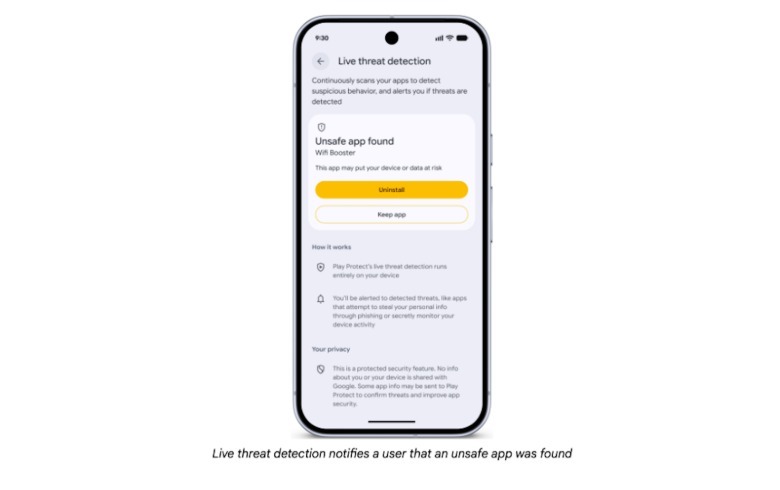
At the forefront of this security initiative is a substantially enhanced Live Threat Detection feature, which has undergone a major overhaul to better identify and neutralize emerging threats in real-time. This sophisticated detection system leverages machine learning algorithms and behavioral analysis to recognize suspicious activities before they can inflict damage on users' devices or personal information. The upgraded functionality promises to deliver faster threat identification and response times, providing Android users with an additional layer of protection that operates seamlessly in the background of their daily device usage.
One of the most critical additions to Google's security arsenal is a dedicated tool specifically engineered to combat banking scam calls and fraudulent communications targeting financial institutions. Financial fraud has emerged as one of the most damaging forms of cybercrime, with scammers employing increasingly convincing social engineering tactics to trick users into divulging sensitive banking credentials and personal identification information. Google's new feature aims to identify patterns associated with known banking fraud schemes and alert users to potential threats before they become victims of financial loss.
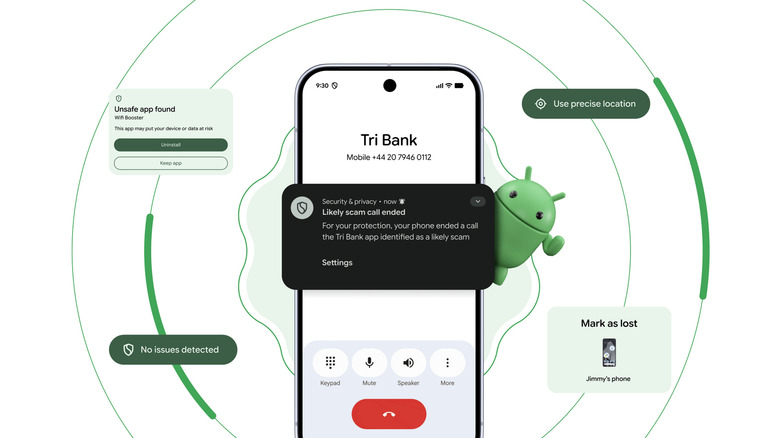
The banking fraud protection mechanism operates through multiple verification channels and threat intelligence databases that continuously monitor for suspicious calling patterns and known scammer phone numbers. When a potential banking fraud threat is detected, users receive immediate notifications and warnings that provide context about the suspicious call without requiring them to answer or interact with the caller directly. This proactive approach allows Android users to make informed decisions about incoming communications, effectively reducing their exposure to financial manipulation and identity theft schemes that have cost consumers billions of dollars annually.
Google's announcement arrives at a critical juncture when mobile security threats have reached unprecedented levels of sophistication and prevalence. Cybercriminals continue to develop more convincing phishing schemes, social engineering tactics, and fraudulent applications designed to infiltrate Android devices and compromise sensitive user data. The company's decision to prioritize financial fraud protection reflects the growing urgency of this particular threat category, which has prompted regulatory oversight and increased consumer awareness regarding mobile banking safety.
Beyond banking-specific protections, the enhanced Live Threat Detection system introduces broader capabilities for identifying and blocking malicious applications, suspicious network connections, and other forms of malware that threaten Android device integrity. The system operates continuously, scanning device behavior and installed applications against an extensive database of known threats and suspicious patterns. Users benefit from real-time notifications when potential security risks are identified, enabling them to take immediate protective actions such as uninstalling suspicious applications or disconnecting from compromised networks.
The rollout of these Android security features will occur gradually across devices, with Google prioritizing comprehensive testing and validation to ensure optimal performance and minimal false-positive alerts. The company has indicated that the new tools will integrate seamlessly with existing Android security mechanisms, including Google Play Protect and other built-in protective systems that have consistently demonstrated their effectiveness in reducing malware distribution and device compromise rates. This layered approach to security creates a comprehensive defensive ecosystem that addresses threats at multiple points of entry.
Industry experts have praised Google's commitment to addressing banking fraud specifically, noting that financial crimes represent one of the fastest-growing categories of mobile-based cybercrime. The World Bank and various financial regulatory bodies have documented significant increases in mobile banking fraud incidents, with losses exceeding $10 billion annually in some developed nations. By implementing specialized protection mechanisms within the Android operating system itself, Google provides financial institutions and consumers with a powerful tool for reducing fraud incidence rates and protecting vulnerable populations who may lack advanced digital security knowledge.
The company's announcement underscores a broader industry trend toward embedding security features directly within operating systems rather than relying solely on third-party applications and user awareness. This approach proves particularly effective for protecting less technically sophisticated users who might not install dedicated security applications or understand complex cybersecurity concepts. By automating threat detection and response, Google ensures that all Android users benefit from enterprise-grade security protections regardless of their individual technical expertise or commitment to manual security maintenance.
Looking forward, Google indicates that it will continue expanding these protective mechanisms and incorporating new threat intelligence as cybercriminals develop additional attack vectors and fraud methodologies. The company collaborates extensively with law enforcement agencies, financial institutions, and cybersecurity research organizations to maintain current threat intelligence and ensure that its protective systems address emerging risks proactively. This collaborative approach positions Android users within a broader ecosystem of shared threat information and collective defense strategies that amplify the effectiveness of individual protective measures.
The announcement of these enhanced Android protection tools represents a significant victory for consumer safety advocates who have consistently urged major technology companies to prioritize built-in security features and financial fraud prevention. As mobile devices continue serving as primary banking platforms for billions of users worldwide, the importance of robust, user-friendly security mechanisms becomes increasingly apparent. Google's comprehensive approach to mobile threat detection and banking fraud prevention establishes a new standard for operating system security and demonstrates the company's ongoing commitment to protecting users from the evolving landscape of cyber threats.
Source: Engadget


