
Google's AI Search Revolution: What 2026 Means for You

Google is transforming search with agentic AI in 2026. Learn how AI Mode is reshaping queries, reaching 1 billion users monthly, and what this means for the future.
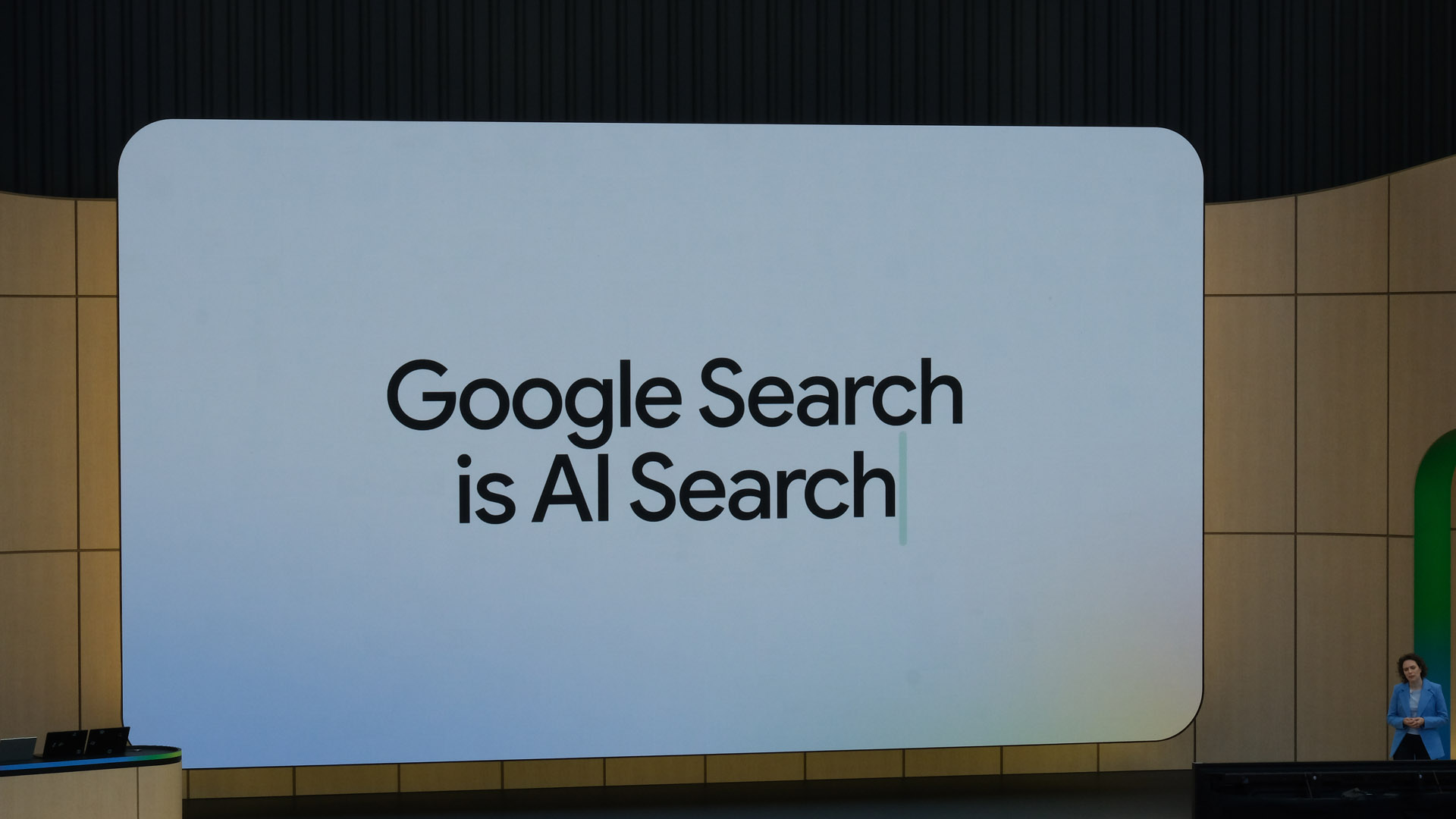
Google's search transformation has reached a critical inflection point as the technology giant doubles down on artificial intelligence to fundamentally reshape how billions of people find information online. The company's strategic pivot, which accelerated throughout 2025, crystallized into an unmistakable commitment during this year's Google I/O conference, where executives made abundantly clear that AI search is no longer an experimental feature but rather the core of Google's search identity moving forward. Google's Vice President of Search, Liz Reid, made the declaration unambiguous during the keynote presentation, stating that "Google search is AI search," signaling an irreversible shift in the company's foundational approach to how it serves information to users worldwide.
The journey toward this AI-centric future actually began taking shape more deliberately last year, when Google started explicitly highlighting artificial intelligence as central to its search strategy. However, it was the I/O 2025 conference that truly solidified this directional commitment, transforming what many had viewed as experimental features into mainstream products. The company's messaging has been remarkably consistent: agentic AI represents the next generation of search technology, and Google is betting its entire search future on this transformation. While critics and skeptics have raised legitimate concerns about this approach—questioning everything from information accuracy to the displacement of traditional search results—Google's leadership appears undeterred by these objections, confident that user adoption metrics and engagement numbers validate their strategic direction.
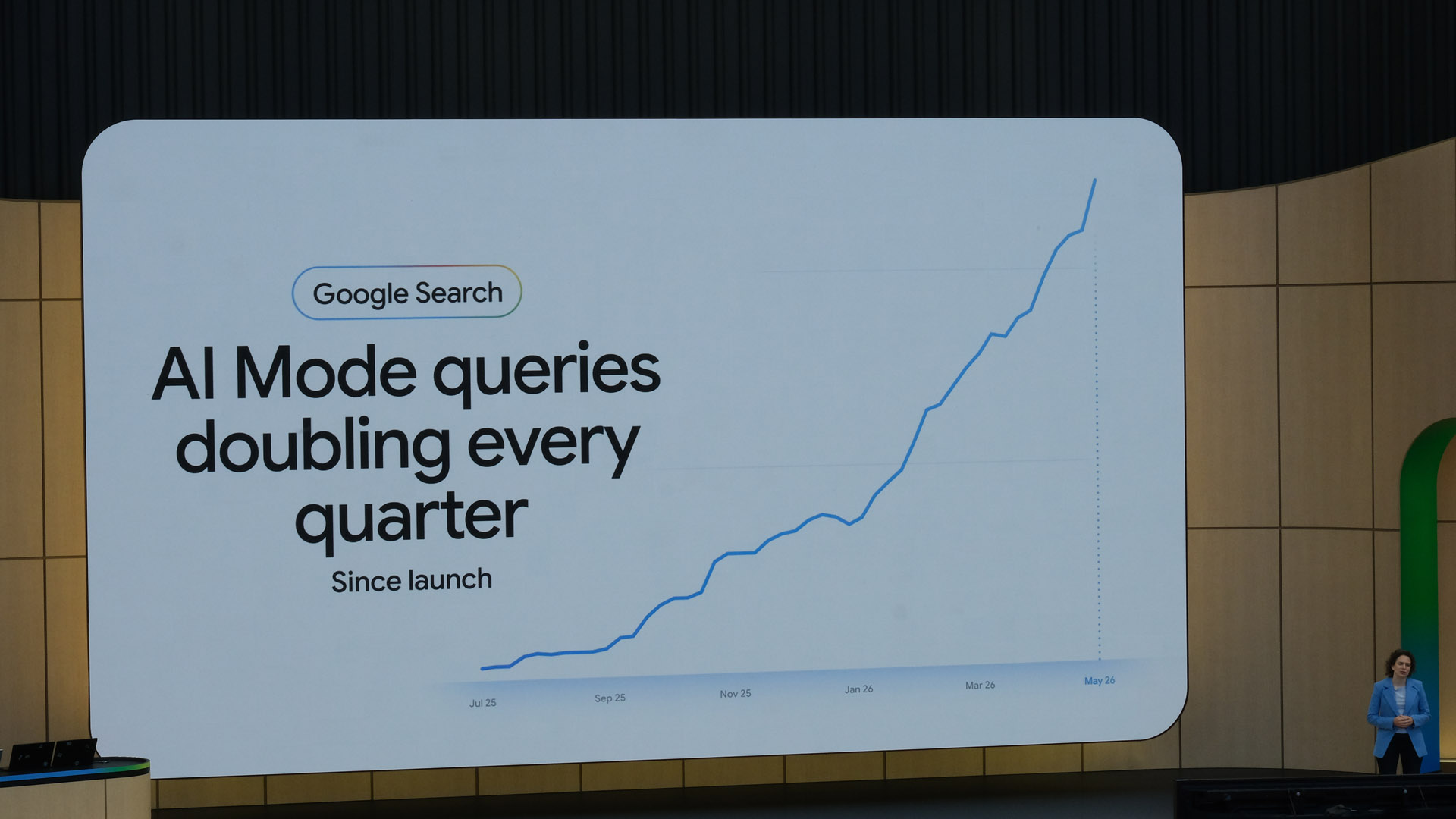
What gives Google the confidence to push forward with such conviction is the remarkable performance data surrounding AI Mode adoption. The company's internal metrics paint a compelling picture of user acceptance and engagement that suggests this isn't merely a passing trend but rather a fundamental shift in how people interact with search. Reid disclosed during the I/O 2026 keynote that AI Mode usage has demonstrated extraordinary growth patterns, doubling quarterly as more users discover and embrace the conversational search experience. Perhaps most significantly, Google revealed that AI Mode users have now surpassed 1 billion people monthly, a staggering figure that demonstrates the feature's unprecedented penetration into the global user base.
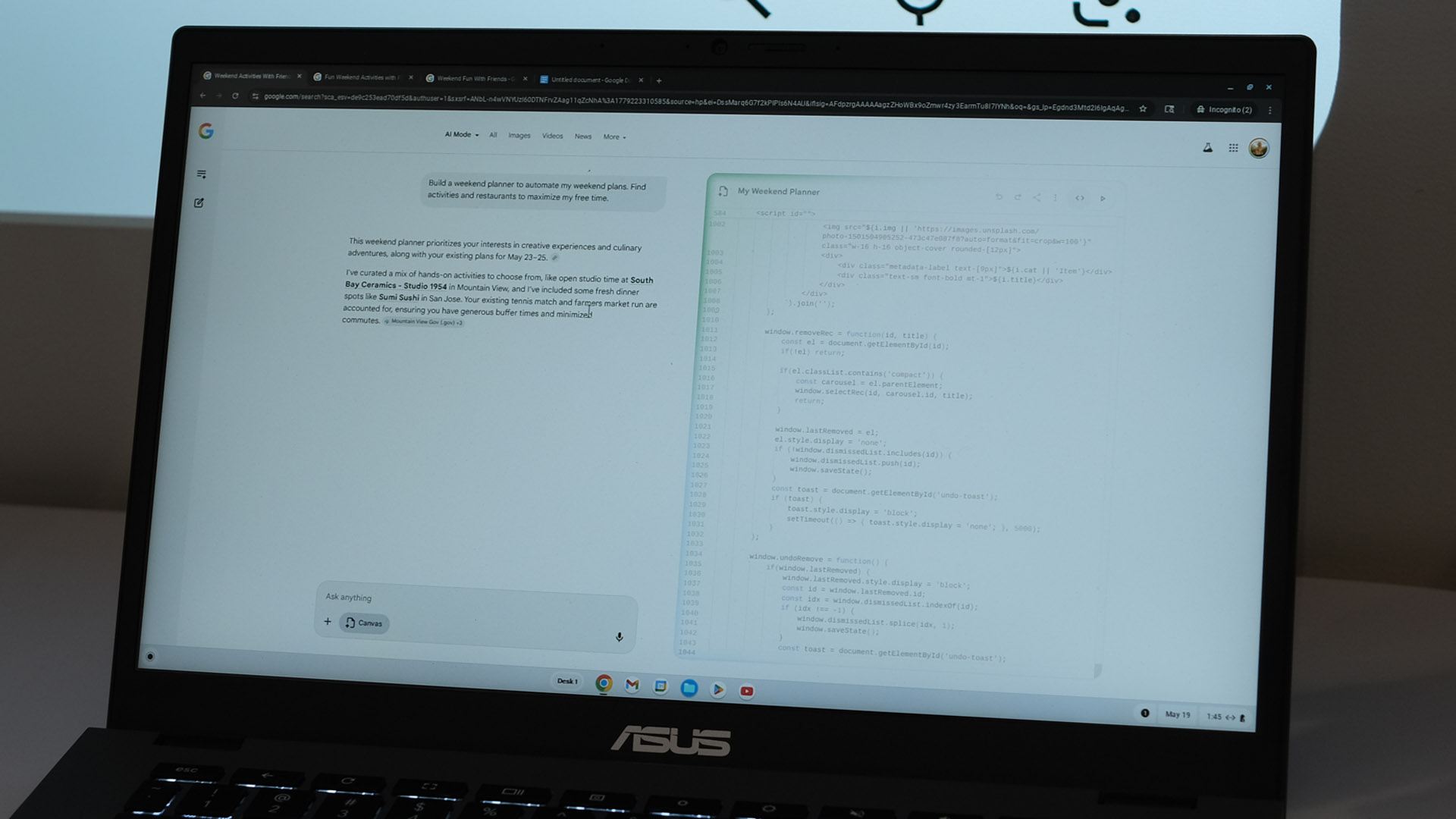
Understanding why AI Mode adoption has exploded so dramatically requires examining the fundamental differences between conversational AI search and traditional search interfaces. AI search results fundamentally change the user experience by introducing a two-way conversation dynamic that traditional search simply cannot replicate. Rather than users simply entering keywords and receiving a list of results, AI Mode actively engages users by asking clarifying questions, understanding context, and progressively refining search parameters through dialogue. Each of these follow-up questions counts as individual searches in Google's metrics, which partially explains the dramatic increase in overall search volume attributed to AI Mode adoption. The conversational nature of this interaction creates an almost addictive quality—users become engaged in a back-and-forth exchange with an intelligent system, rather than passively consuming results from a simple query box.
Google has not left AI Mode's success to chance alone; the company has strategically promoted the feature throughout its ecosystem with aggressive visibility measures. Prominent placement across Google's search interface, persistent nudges encouraging users to try AI Mode, and prominent links within search results have all combined to gradually shift user behavior toward the new conversational model. Unlike some of Google's previous AI initiatives, which often existed in relative obscurity or required users to actively seek them out, AI Mode promotion has been front and center, making it nearly impossible for regular Google search users to remain unaware of the feature's existence. This promotional strategy reflects Google's determination to ensure that AI Mode doesn't become a niche feature for early adopters but rather becomes the dominant way that people interact with Google search.
The implications of Google's dominance in search cannot be understated when considering the company's ability to implement such sweeping changes. With its overwhelming market share in search across virtually every geography and demographic segment, Google possesses the power to reshape user behavior through pure force of scale and influence. The company can essentially determine the future direction of search technology through its own decisions, and with competitors unable to match Google's resources or market position, alternative search approaches struggle to gain meaningful traction. This creates an environment where Google's strategic choices effectively become the industry's strategic choices, regardless of whether those choices are universally celebrated or criticized.
The testing phase that preceded this full rollout actually began just over a year before AI Mode was officially integrated as a core search feature. Google's methodical approach to testing agentic search capabilities allowed the company to refine and improve the technology while gathering crucial user data and feedback. This testing period revealed that users were not merely willing to accept AI Mode—they actively preferred it once they understood how to use it effectively. The doubling of usage every quarter provided clear evidence that each new cohort of users introduced to the feature resulted in higher adoption rates and engagement metrics, suggesting that AI Mode's appeal extends far beyond early adopters to mainstream users with varying levels of technical sophistication.
Beyond the raw adoption numbers, what's particularly noteworthy is how quickly Google managed to accumulate 1 billion monthly active users for AI Mode. This milestone typically takes years for most features to achieve, yet AI Mode reached this level of penetration in a remarkably compressed timeframe. This acceleration demonstrates either exceptional product-market fit, aggressive promotion, or most likely some combination of both factors working in concert. Users appear to find genuine value in the conversational approach to search, and they're integrating it into their daily search habits rather than treating it as a novelty.
The transformation underway represents more than just a cosmetic change to Google's interface or a minor feature enhancement. This is a fundamental reimagining of what search means in an era of advanced artificial intelligence. Instead of the rigid keyword-in, results-out model that has dominated search for two decades, Google is moving toward dynamic, conversational interactions where AI agents serve as intermediaries between users and information. These AI agents can understand nuanced questions, provide context-aware responses, ask clarifying questions, and guide users toward the information they actually need rather than simply what matches their keywords.

Looking ahead, Google's commitment to AI-powered search in 2026 and beyond appears absolute. The company has invested enormous resources into developing these capabilities, and the initial user response has validated those investments. While conversations about information quality, source attribution, and the fate of traditional websites in an AI-dominated search landscape will undoubtedly continue, Google's trajectory seems unmoved by these concerns. The company has made its bet on AI-driven search transformation, and with 1 billion monthly users already engaged with AI Mode, that bet appears to be paying off in ways that matter most to Google's bottom line and strategic positioning.
Source: Ars Technica


