
Google's Circle to Search Detects AI-Generated Images

Google expands its AI detection capabilities with Circle to Search feature, helping users identify artificially generated or edited content across more platforms.
Google's Circle to Search feature is expanding its technological capabilities to include advanced AI detection functionality, allowing users to quickly identify whether images have been artificially generated or manipulated using artificial intelligence tools. This latest development represents a significant step forward in Google's ongoing effort to combat misinformation and help users navigate an increasingly complex digital landscape where distinguishing authentic content from AI-created material has become increasingly challenging.
The search giant is strategically rolling out this AI-generated image detection feature across multiple platforms and products, recognizing the growing need for accessible tools that empower everyday users to verify content authenticity. As artificial intelligence technology continues to advance at a rapid pace, creating increasingly convincing deepfakes and synthetic images, having built-in detection mechanisms directly within popular search and mobile applications has become essential for maintaining digital literacy and trust online.
Google's commitment to addressing the challenges posed by AI-generated content extends beyond simple detection capabilities. The company has been investing heavily in developing robust systems that can analyze visual content and identify telltale signs of artificial manipulation or generation, including subtle artifacts, inconsistencies in lighting and shadows, and other technical markers that distinguish AI-created images from authentic photography.

The integration of AI detection technology into the widely-used Circle to Search feature is particularly significant because of the feature's popularity and accessibility. Circle to Search, which allows users to simply circle, highlight, or tap objects in images to search for related content, already has a substantial user base, meaning this detection capability will reach millions of users without requiring them to download additional applications or access specialized tools.
By embedding image authentication features directly into the search experience, Google is making it considerably easier for users to verify content authenticity in real-time. Rather than requiring users to visit separate websites or use standalone AI detection tools, they can now simply use their existing search capabilities to assess whether an image has been artificially generated or significantly edited, streamlining the verification process.
The rollout of this feature demonstrates Google's broader strategy to position itself as a trusted intermediary in helping users navigate the complexities of modern digital content. As misinformation and deepfake technology become increasingly sophisticated, major technology platforms have a responsibility to provide users with reliable tools for verifying information and understanding the origins of the content they encounter online.
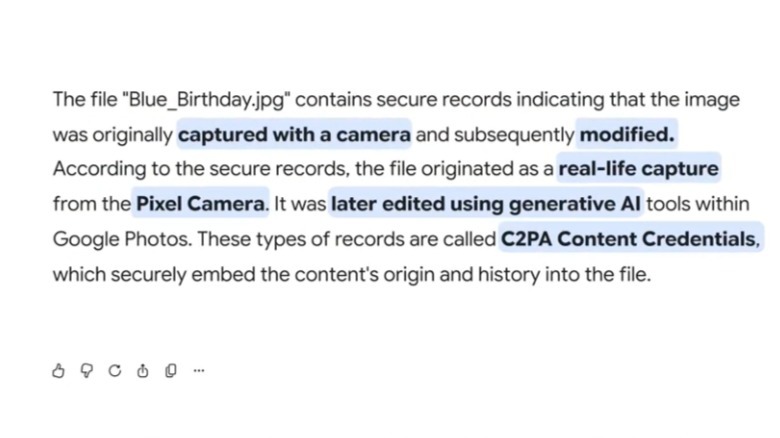
The implications of Google's expanded AI-generated content detection extend far beyond simple curiosity about whether images are real or synthetic. In an era where election misinformation, fraudulent content, and manipulated images can spread rapidly across social media platforms, having access to reliable detection tools embedded in mainstream applications could help slow the propagation of false information and protect vulnerable populations from deceptive content.
Google's approach to this challenge reflects a growing recognition across the technology industry that AI detection needs to be accessible and user-friendly. Technical solutions that are difficult to access or understand will have minimal real-world impact, which is why integrating these capabilities into commonly-used features represents a pragmatic approach to addressing the broader challenge of AI-generated content.
The development and deployment of effective AI detection algorithms represents a significant technical achievement, as these systems must be trained on enormous datasets of both authentic and artificially-generated images to accurately identify synthetic content. Google's substantial resources and access to massive amounts of visual data position the company well to develop and refine these detection mechanisms over time.
As Google continues to expand its AI-generated image detection capabilities across its product ecosystem, the company is also likely to encounter various technical and ethical challenges. For instance, detection systems must maintain high accuracy rates to avoid generating false positives that might incorrectly flag authentic images as synthetic, which could undermine user trust in the feature.
The broader context of Google's initiative involves the company's wider efforts to address emerging challenges posed by increasingly sophisticated AI technology. Across the technology industry, companies are grappling with questions about how to responsibly develop and deploy AI tools while simultaneously working to mitigate potential harms and misuses of these technologies.
This expansion of AI detection features to more Google products also signals the company's confidence in the maturity and reliability of its detection systems. Rolling out such features across multiple platforms and to millions of users requires a high degree of certainty that the technology functions accurately and consistently across diverse image types and generation methods.
Looking forward, users can expect Google to continue refining and enhancing its AI detection capabilities as artificial intelligence technology evolves and new methods for generating and manipulating content emerge. This will likely involve ongoing updates to detection algorithms, expansion to additional Google products, and possible integration with other verification and fact-checking initiatives the company supports.
The availability of these tools within Google's products represents an important development in the ongoing effort to help users think critically about digital content and verify information before sharing it with others. By making AI-generated content detection easily accessible within everyday applications, Google is contributing to broader efforts to combat misinformation and maintain the integrity of digital information ecosystems.
Source: Engadget


