
Google's Fitbit Air: Screenless Wearable Redefines Health Tracking

Google launches Fitbit Air, a screenless health tracker with advanced sensors and AI-powered Google Health app. Discover the future of wearable technology.
The wearables industry has experienced a fascinating evolution, returning to its roots in unexpected ways. In the early days, Fitbit devices operated without screens, focusing purely on data collection and fitness metrics. However, the industry's shift toward smartwatches introduced displays to wearers' wrists, becoming the dominant form factor for nearly a decade. Now, a new movement is reshaping the landscape, with companies like Whoop and Hume leading the charge toward screenless fitness trackers that prioritize sensor technology and data intelligence over visual interfaces. Google is joining this revolution with its latest innovation, the Fitbit Air, a device that eschews traditional display functionality in favor of comprehensive health monitoring capabilities that seamlessly integrate with Google's newly developed Health app ecosystem.
The Fitbit Air represents a minimalist approach to wearable health technology, designed as a sophisticated data collection instrument rather than a standalone device. This screenless design philosophy reflects a broader industry recognition that the most effective health tracking devices don't necessarily need to display information on the wrist—instead, they can pipe valuable biometric data directly to smartphones and other connected devices where users can access comprehensive insights. The shift acknowledges that modern consumers are accustomed to receiving their information through mobile applications rather than relying on wrist-based displays, making the screenless approach both practical and future-forward.
Google has engineered the Fitbit Air as a compact plastic puck measuring approximately 1.4 inches in length and 0.7 inches in width. The device features a thoughtful design with bottom-mounted health sensors that make direct contact with the wearer's skin, ensuring accurate biometric readings. The Fitbit Air slots seamlessly into interchangeable bands that secure the device against the wrist while keeping the sensors properly positioned for optimal data collection. Because there's no display screen, the entire device is concealed beneath the fabric or plastic material of the band itself, creating a sleek, unified aesthetic that prioritizes form factor and wearability over technological ostentation.
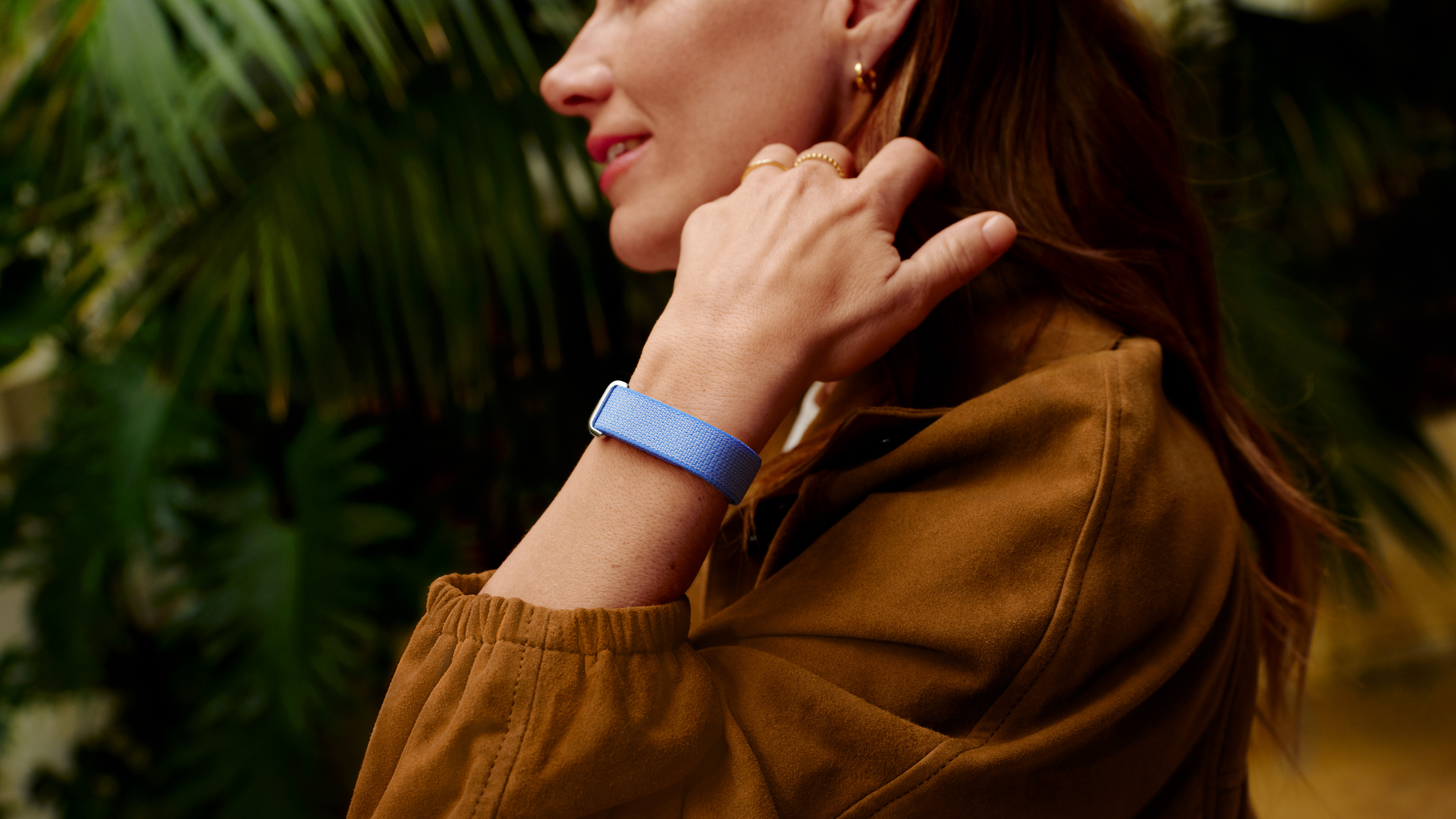
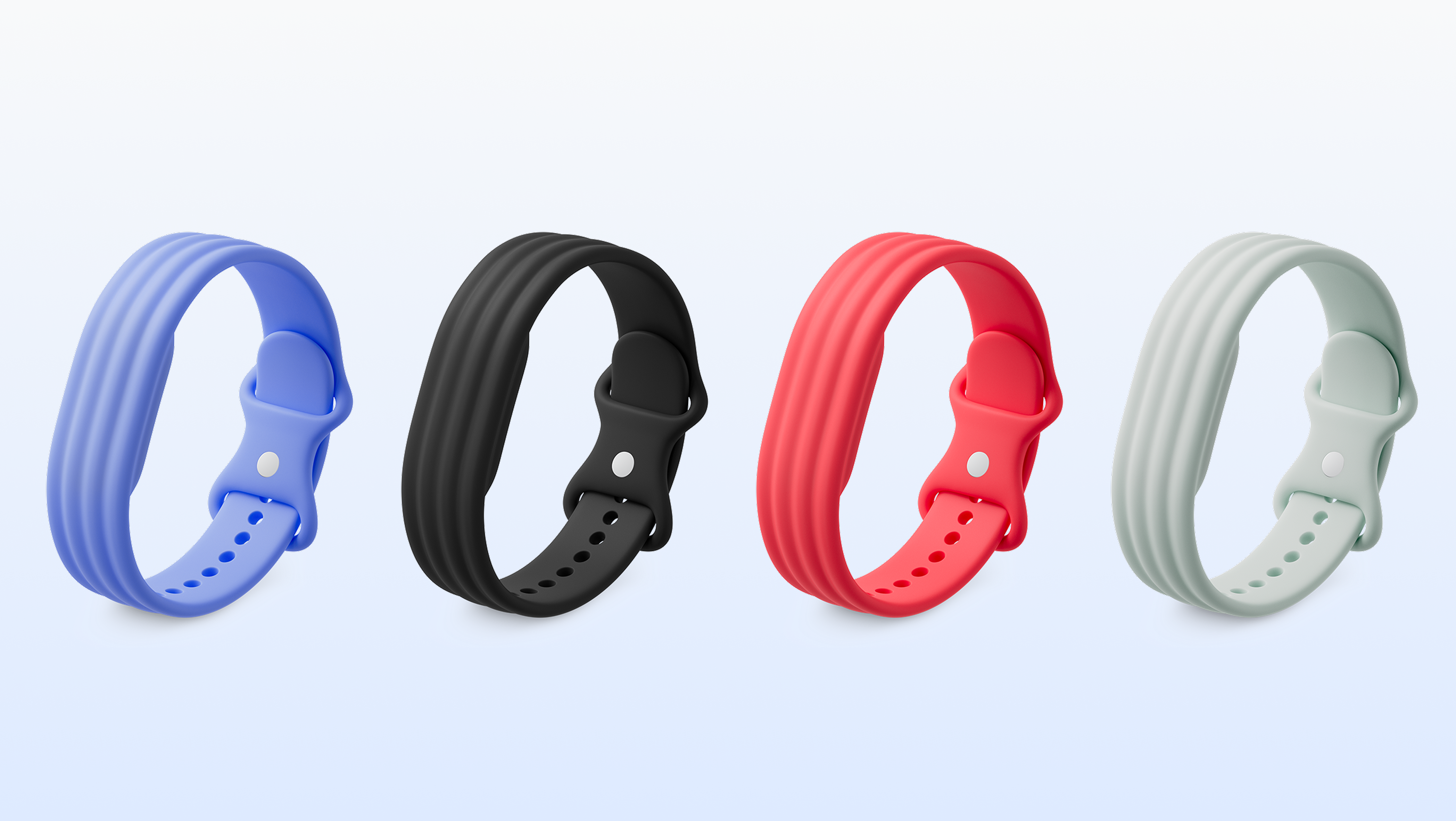
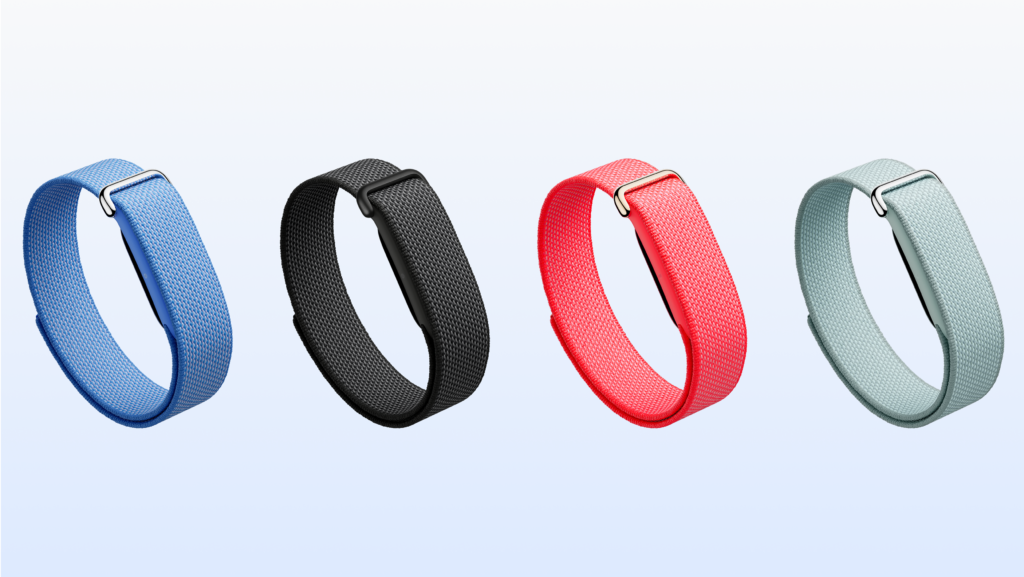
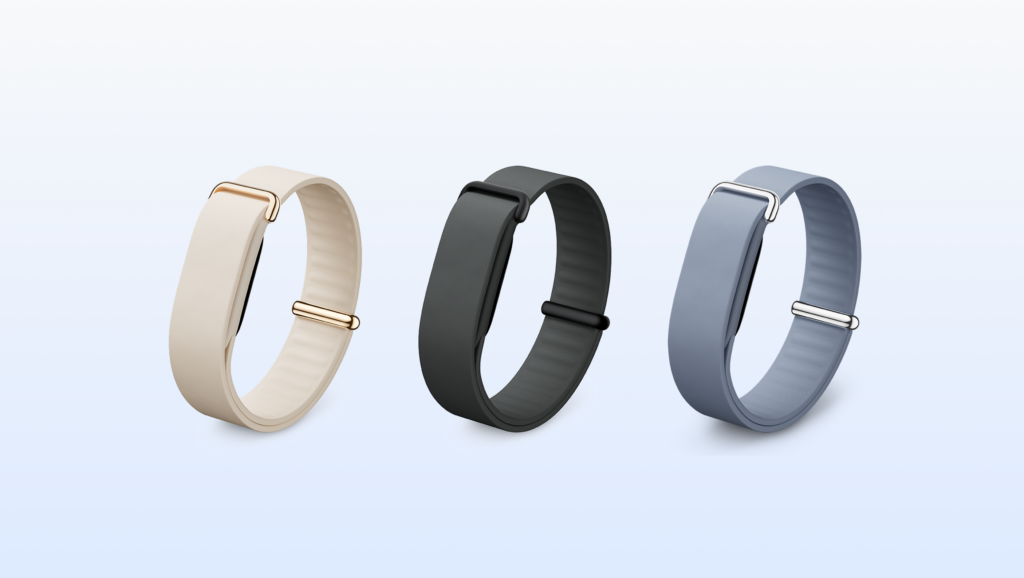
In a departure from Google's typical product launch approach, the company is offering an impressive array of color and style options for the Fitbit Air, demonstrating a commitment to personalization and consumer choice. One particularly notable variant is a special-edition Fitbit Air designed in collaboration with basketball star Steph Curry, which has generated considerable buzz in both the tech and sports communities. The Curry edition represents a strategic partnership between Google and one of basketball's most recognizable figures, leveraging his influence to drive consumer interest and awareness. This collaboration has sparked conversation across social media and tech forums, with enthusiasts spotting early teases of the screenless device being used by Curry, building anticipation for the official launch announcement.
The Fitbit Air's primary function centers on comprehensive health data collection using an advanced suite of onboard sensors. These sensors continuously monitor various physiological metrics and biometric indicators, transmitting the collected data in real-time to the new Google Health app running on connected smartphones. The Google Health app serves as the central hub for all health and fitness information, consolidating data from the Fitbit Air and potentially integrating information from other health-related services and devices within the Google ecosystem. This centralized approach allows users to develop a holistic view of their health status, combining metrics like heart rate, sleep patterns, activity levels, and other vital information into a single, accessible platform.
Perhaps the most innovative aspect of the Fitbit Air and Google Health ecosystem is the integration of AI-powered health coaching functionality. Google has developed an artificial intelligence system that analyzes the biometric data collected by the Fitbit Air and interprets it to provide personalized health insights and recommendations. This AI health coach can identify patterns in user behavior, detect potential health concerns based on collected data, and offer tailored suggestions for improving overall wellness and fitness. While the effectiveness and accuracy of such AI-powered recommendations remain subjects of ongoing evaluation and refinement, the technology represents a significant step forward in making sophisticated health analysis accessible to everyday consumers.
The launch of the Fitbit Air demonstrates Google's strategic commitment to expanding its presence in the wearables market and health technology sector. By consolidating Fitbit's hardware innovation with Google's software capabilities and AI expertise, the company is creating an integrated ecosystem that leverages the strengths of both platforms. This move also signals Google's intention to move beyond smartwatches as the dominant form factor for wearables, recognizing that specialized health tracking devices can provide superior value propositions for consumers primarily interested in fitness and wellness monitoring rather than broad device functionality.
The broader industry context reveals that the shift toward screenless wearables aligns with consumer preferences for devices with extended battery life and simplified user interfaces. By eliminating power-hungry display technology, the Fitbit Air can potentially offer significantly longer battery life compared to traditional smartwatches, reducing the frequency of charging and improving overall convenience. Furthermore, the absence of a screen eliminates the complexity of managing notifications and app interfaces on a small display, allowing the device to focus entirely on its core function: accurate, continuous health monitoring.
Google's decision to rebrand and reposition Fitbit products under the new Google Health app ecosystem reflects a fundamental strategic shift in how the company approaches health-related technology. Rather than maintaining Fitbit as a separate product line, Google is integrating it more deeply into its broader software and services strategy. This approach allows Google to leverage its significant investments in artificial intelligence, machine learning, and big data analytics to enhance the value proposition of its wearable devices. Users of the Fitbit Air can expect continuous improvements and new features delivered through app updates, without requiring hardware changes or device replacements.
The Fitbit Air launch also raises important questions about data privacy and security in health-related wearables. As devices collect increasingly sensitive biometric information and transmit it to cloud-based services, consumers rightfully expect robust protection for their personal health data. Google has substantial experience managing sensitive user information across its various platforms, and the company will need to ensure that health data collected through the Fitbit Air meets the highest standards for encryption, access controls, and user privacy protections. Transparency about data usage and clear opt-in mechanisms for AI-powered analysis will be crucial for building consumer trust and adoption.
Looking forward, the Fitbit Air represents an important inflection point in the evolution of wearable technology. As the industry recognizes that not every wearable needs a screen, we can expect to see further innovation in specialized health tracking devices optimized for specific use cases and user preferences. Google's entry into the screenless wearables market with a comprehensive software and services ecosystem positions the company as a serious competitor to established players in the health technology space. The success of the Fitbit Air will likely influence broader industry trends and consumer expectations for what health wearables should deliver in the coming years.
Source: Ars Technica

