
Google's Googlebooks: Android Laptops Arriving 2025

Google unveils Googlebooks, a new line of Android-powered laptops launching this year. Learn how Gemini AI and Magic Pointer integration reshape computing.
Google's journey into the laptop market began over a decade ago with the introduction of Chromebooks in 2011, which revolutionized the education and enterprise sectors by prioritizing cloud-based computing and web-first experiences. Since their debut, Chromebooks have maintained a steady presence in schools and businesses worldwide, offering affordable and secure alternatives to traditional Windows and Mac systems. However, Google's vision for portable computing is evolving dramatically as the company announces an entirely new category of devices designed to harness the power of Android and artificial intelligence.
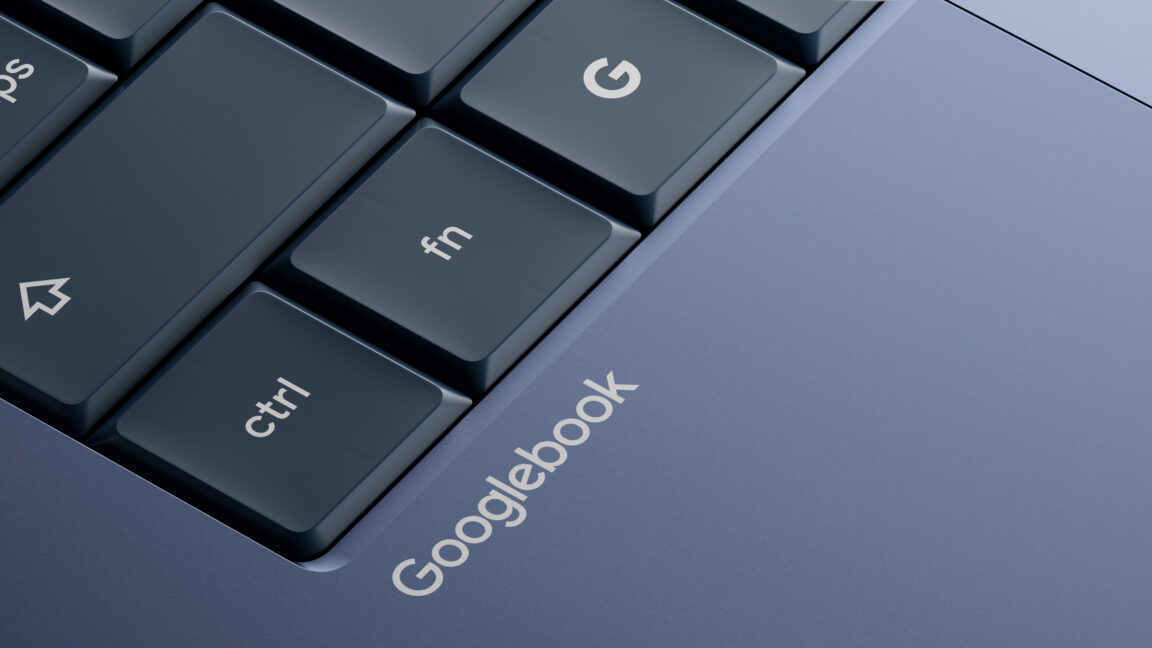
While Google continues to affirm that Chromebooks will remain part of its product ecosystem, the tech giant has shifted strategic focus toward an innovative new platform: Googlebooks. These Android-powered laptops represent a fundamental departure from the Chrome OS philosophy, bringing the flexibility and app ecosystem of Android to the traditional laptop form factor. The company has officially confirmed that Googlebooks will begin shipping to consumers later this year, marking a significant moment in Google's hardware ambitions and signaling a strategic pivot in how the company envisions the future of portable computing devices.

At the heart of Googlebooks' innovation lies a deeply integrated approach to artificial intelligence, specifically through Google's advanced Gemini Intelligence platform. Google has deliberately engineered these devices from the ground up to leverage Gemini's capabilities, creating an ecosystem where AI isn't simply an added feature but rather a fundamental component of the user experience. The company's engineers worked extensively to ensure that every aspect of the Googlebooks hardware and software architecture could fully utilize Gemini's contextual awareness and processing power, setting a new standard for AI-integrated computing devices.
The most distinctive feature of this new approach is what Google has branded the Magic Pointer, a cursor-based interaction method that fundamentally changes how users access artificial intelligence assistance. Rather than requiring users to navigate through menus or launch separate applications to access AI features, the Magic Pointer enables instantaneous Gemini activation through simple cursor movements. By gently wiggling the mouse cursor back and forth, users can instantly bring up a full-screen Gemini experience that provides real-time contextual suggestions and intelligent assistance without interrupting their workflow.
The contextual AI capabilities of Googlebooks extend far beyond simple search functionality. When the Magic Pointer activates Gemini, the AI system gains visual access to the entire screen content, allowing it to understand exactly what the user is working on at that precise moment. This visual comprehension enables Gemini to provide deeply relevant suggestions tailored to the specific task at hand, whether the user is writing documents, analyzing spreadsheets, or managing multiple projects simultaneously. The system's ability to pull information and insights from multiple applications simultaneously creates a unified intelligence layer across the entire computing environment.
Google's approach with Googlebooks reflects a broader industry trend toward AI-native computing devices, where artificial intelligence integration is considered essential rather than optional. By building Googlebooks with Gemini at its core, rather than treating AI as an afterthought, Google aims to create a computing experience that feels fundamentally different from traditional laptops. This philosophy contrasts sharply with many competitors' approaches, where AI features often feel like superficial additions bolted onto existing hardware designs.
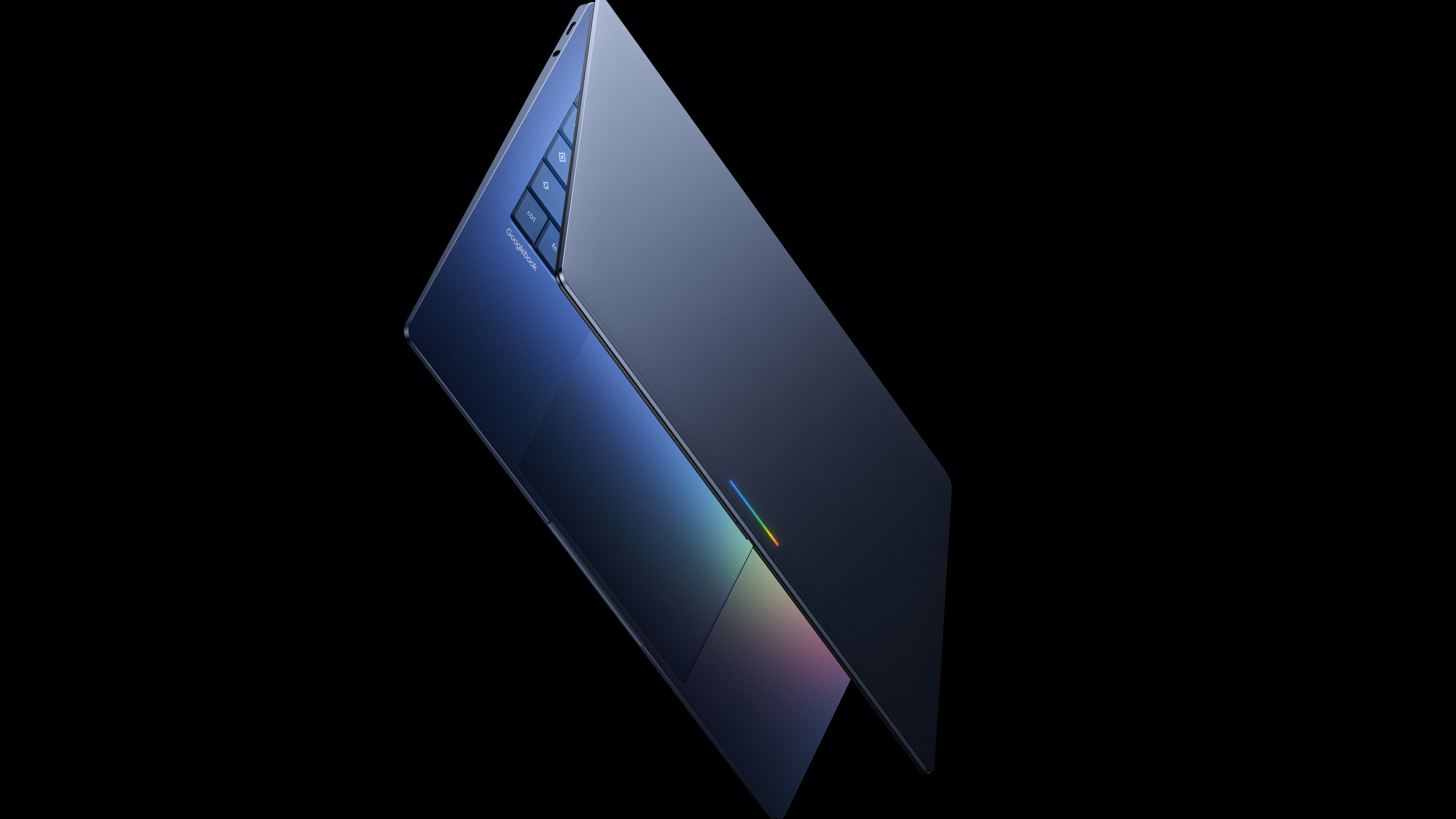
The decision to base Googlebooks on the Android operating system rather than developing a new proprietary OS leverages Google's extensive mobile development expertise and the vast ecosystem of applications already available through the Google Play Store. Android's flexible architecture allows Google to optimize the platform specifically for laptop-sized screens and traditional input methods like keyboards and trackpads while maintaining compatibility with the extensive Android app library. This strategic choice positions Googlebooks to offer users access to millions of applications developed for Android, creating a more versatile computing platform than traditional Chromebooks.
The timing of Googlebooks' launch carries significant implications for the technology industry's direction. As competition intensifies between traditional laptop manufacturers and emerging AI-focused devices, Google's entry into this space with a fully integrated Gemini-powered system demonstrates the company's commitment to shaping the future of portable computing. The arrival of these devices later this year will provide consumers with a concrete alternative to Windows laptops and MacBooks, each offering different approaches to integrating artificial intelligence into daily computing tasks.

Looking ahead, Googlebooks' success will likely hinge on how effectively Google executes the integration between Android, Gemini, and the Magic Pointer interface. Developers and enterprises will need to understand how their applications function within this new environment, and Google will need to ensure smooth performance and intuitive user experiences that justify the transition from established platforms. The company's track record with hardware integration, demonstrated through success with Pixel devices and other hardware initiatives, suggests they have the capability to deliver a compelling product that resonates with technology enthusiasts and mainstream consumers alike.
Source: Ars Technica


