
Google's New Android Automotive OS Aims to Unify Software-Defined Vehicles

Google's latest Android Automotive OS update aims to move beyond in-car infotainment, addressing software fragmentation in software-defined vehicles.
Google's new version of Android Automotive will move beyond the confines of infotainment systems, as the tech giant seeks to unify the software powering the next generation of software-defined vehicles (SDVs). This shift could have significant implications for the automotive industry, which has long struggled with software fragmentation across different vehicle models and manufacturers.
For more than a decade, Android has been creeping into cars, first with the phone-based Android Auto and later with the built-in Android Automotive OS. However, Android Automotive has been largely confined to the infotainment system, unable to venture beyond that limited domain. Google's new plans aim to change that, potentially ushering in a new era of software-defined vehicles.
Car companies have traditionally been very protective of the software running on their vehicles, as it has become a core part of the driving experience. This is partly a matter of safety, but the data collected by automotive software is also highly valuable. As a result, vehicles have evolved to have different software stacks, often with incompatible components from various suppliers. Google believes it can address this fragmentation with a more powerful version of Android Automotive OS (AAOS) designed specifically for SDVs.
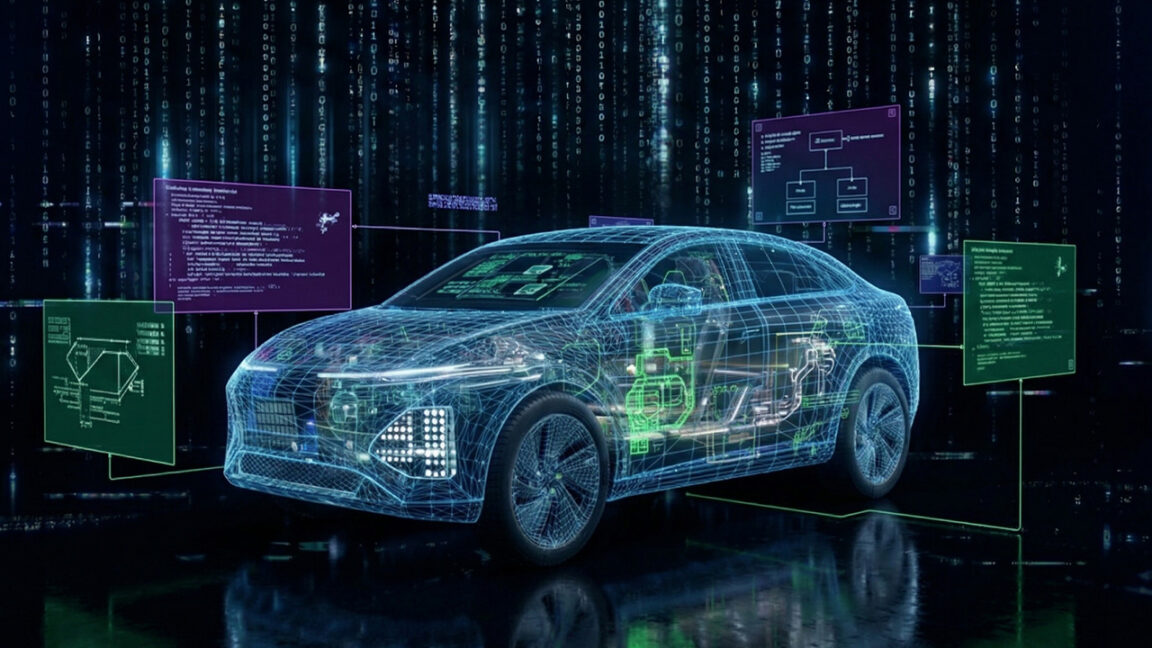
The shift towards software-defined vehicles has been driven by the increasing reliance on software for new features, such as remote climate controls or using smart keys on your phone. Google's car efforts have evolved in this direction, moving beyond the initial Android Auto offering.
While carmakers have been cautious about allowing third-party software to take over core vehicle functions, Google's new Android Automotive OS update could change that dynamic. By providing a more comprehensive and integrated platform, Google aims to simplify the software landscape and enable more seamless integration of new features and services.
However, don't expect most carmakers to immediately embrace Google's vision for software-defined vehicles. The automotive industry is notoriously cautious and protective of its technology, and the transition to a more open and integrated software ecosystem will likely be a gradual process. Carmakers will need to weigh the potential benefits of Google's platform against their own proprietary systems and the risk of ceding too much control to a third-party tech giant.
Nonetheless, Google's latest move in the automotive space represents a significant step forward in the quest for a more unified and adaptable software-defined vehicle landscape. As the industry continues to evolve, the interplay between carmakers and tech companies like Google will shape the future of in-car technology and the overall driving experience.
Source: Ars Technica

