
Google's New TPUs Power the AI Agent Era

Google unveils eighth-generation TPU8t and TPU8i processors designed specifically for agentic AI systems, offering faster training and efficient inference capabilities.
Google's custom tensor processing units have long served as the backbone of the company's cloud infrastructure, offering a compelling alternative to the Nvidia accelerators that dominate much of the industry. While competitors scramble to secure every available GPU, Google has consistently invested in developing its own specialized silicon tailored specifically for artificial intelligence workloads. Following the successful launch of the seventh-generation Ironwood TPU in 2025, Google is now announcing the eighth-generation TPU processors, marking a significant leap forward in the company's commitment to building hardware designed from the ground up for advanced AI applications.
The new generation represents a fundamental shift in how Google approaches processor design for artificial intelligence. Rather than simply iterating on existing architecture with faster clock speeds and more transistors, Google's engineering teams have recognized that the emerging era of agentic AI systems demands a completely reimagined hardware approach. The company is introducing two distinct variants of the eighth-generation TPUs: the TPU8t optimized for model training operations and the TPU8i engineered specifically for inference tasks. This bifurcated design philosophy reflects Google's belief that modern AI workloads have divergent requirements that necessitate specialized hardware solutions rather than one-size-fits-all processors.
The TPU8t has been engineered with a singular focus: accelerating the computationally intensive training phase that transforms raw model code into functional AI systems. Before any AI model can be deployed to analyze data, generate predictions, or create content, it must undergo extensive training on massive datasets across hundreds or thousands of processors. This training phase has historically been one of the longest bottlenecks in AI development, with frontier models sometimes requiring months of continuous computation. Google claims that by leveraging the specialized architecture of the TPU8t, developers can compress these multi-month training cycles down to mere weeks, fundamentally changing the pace at which organizations can iterate and improve their AI systems.
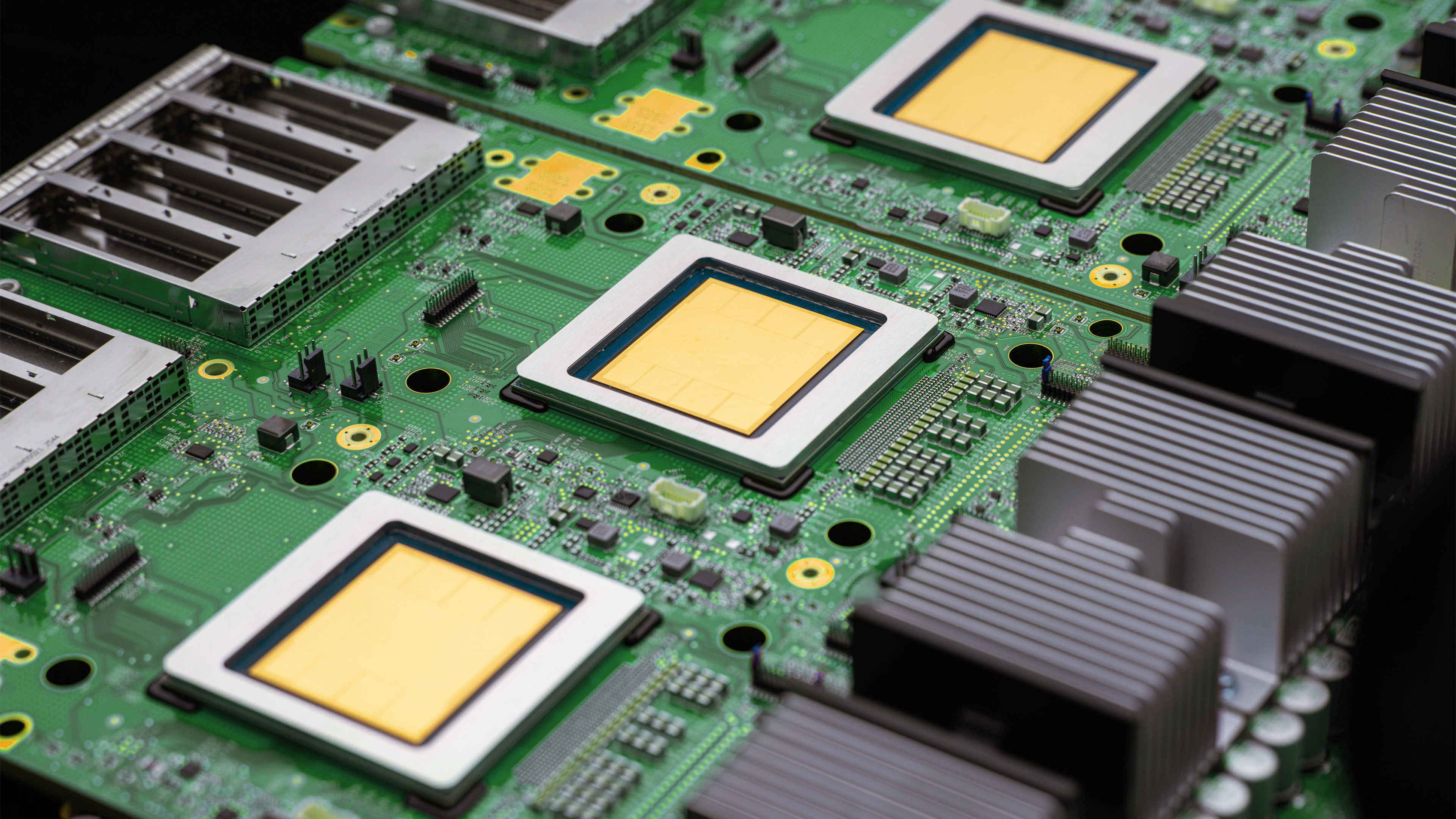
The inference-focused TPU8i addresses an equally important but fundamentally different challenge in the AI lifecycle. Once a model has been trained and is ready for production deployment, the focus shifts from raw computational throughput to efficiency, latency, and cost-effectiveness. The TPU8i has been specifically optimized to handle inference workloads—the actual execution of trained models processing user requests and generating outputs. In the context of agentic AI systems that must operate continuously and respond in near-real-time to user interactions, inference efficiency becomes critical. By specializing the hardware for this specific use case, Google can deliver faster response times while consuming less power per inference operation, directly improving both user experience and operational costs.
Google's decision to develop separate training and inference processors reflects a deeper understanding of how the "agentic era" differs from previous generations of AI technology. In the era of large language models and foundation models, the distinction between training and inference was less critical because models were trained once and then deployed relatively unchanged. However, agentic systems—AI agents capable of taking independent actions, planning multi-step operations, and adapting to new information—have fundamentally different performance requirements. These systems may continuously update their models, experiment with new approaches, and require instantaneous decision-making capabilities. The new TPU design philosophy acknowledges these realities by providing hardware that excels at each specific phase rather than compromising across both.
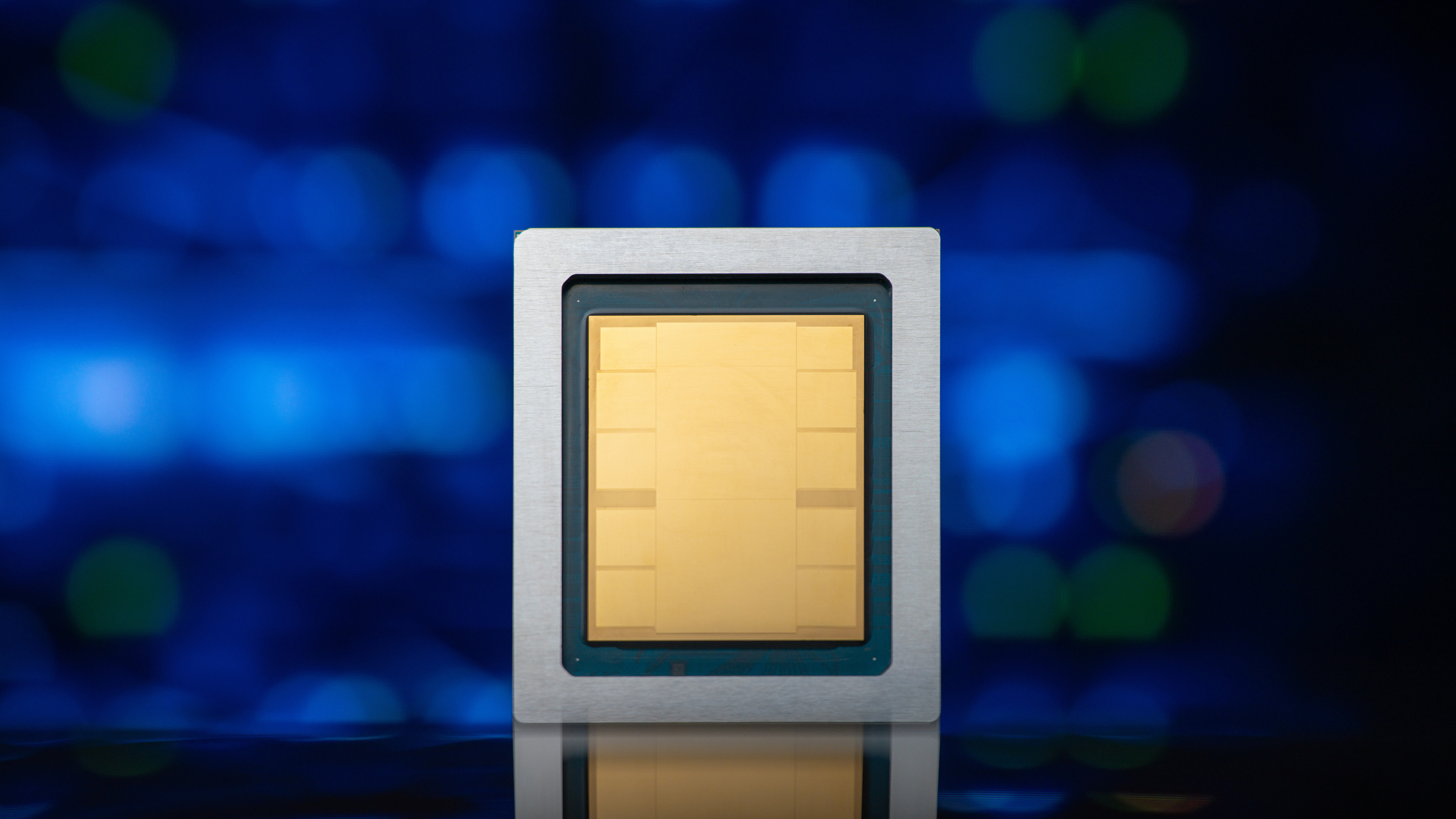
The strategic importance of custom silicon cannot be overstated in the context of Google's AI ambitions. While Nvidia's GPUs have become the de facto standard for AI training and deployment across most of the technology industry, Google has maintained a consistent focus on developing proprietary alternatives. This approach provides Google with several advantages: complete control over hardware roadmaps, optimization opportunities specific to Google's software stack, and the ability to integrate novel features tailored to Google's particular AI applications. The eighth-generation TPUs represent the culmination of years of investment in this vertical integration strategy.
The performance improvements delivered by the new TPU generation extend beyond simple speed increases. Google has invested significant engineering effort into improving the memory subsystem, communication architecture, and power efficiency of the processors. These holistic improvements mean that organizations using the TPU8t and TPU8i can achieve better performance per watt—a critical metric in an era where data center power consumption and cooling represent major operational expenses. As AI infrastructure costs continue to climb, efficiency gains become increasingly valuable for cloud providers and enterprises alike.
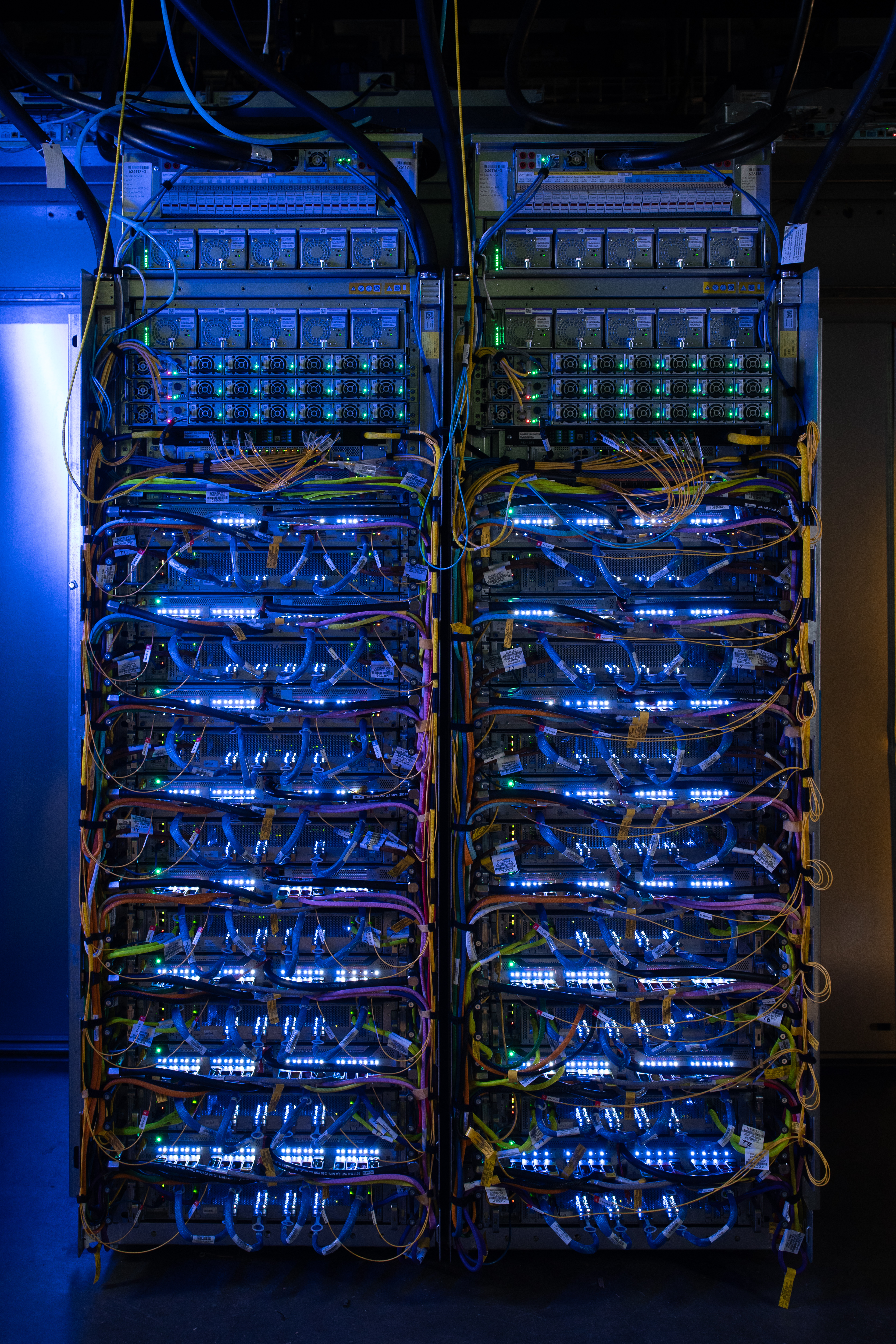
Looking forward, Google's strategy with these new processors reflects the company's confidence in its position within the rapidly evolving AI market. By continuing to invest in custom AI accelerators, Google is not only supporting its own AI research and development efforts but also offering Google Cloud customers an alternative to the GPU-dominated landscape. Organizations that have built their infrastructure around Google Cloud and TPUs can leverage these improvements immediately, while potentially gaining competitive advantages through better training times and more efficient inference operations.
The announcement of the eighth-generation TPUs also signals Google's long-term commitment to being more than just a cloud provider offering third-party hardware. By developing specialized processors designed for the specific demands of agentic AI systems, Google is positioning itself as a complete solution provider for organizations navigating the transition to this new computing paradigm. Whether for training, inference, or both, customers can now access purpose-built hardware that promises to maximize both performance and efficiency across the full spectrum of AI workloads.
Source: Ars Technica


