
Google Teases Android-Based Googlebook Ahead of I/O

Google hints at upcoming Android-based Googlebook device before I/O conference. Explore what this new product could mean for the tech industry.
In a surprising move that has set the technology community abuzz, Google has offered the first glimpse of what appears to be an Android-based Googlebook, a mysterious new device that could reshape how users think about portable computing. The announcement comes as somewhat of a shock to industry observers, given that the company's major annual developer conference, Google I/O, isn't scheduled to take place until the following week, suggesting this teaser is part of a carefully orchestrated marketing campaign to build anticipation.
The emergence of this Android laptop concept represents a significant moment in Google's product strategy, as the search giant continues to expand its ecosystem beyond smartphones and tablets. By leveraging the familiarity and widespread adoption of Android, Google appears to be positioning itself to capture a portion of the laptop market that has traditionally been dominated by Windows, macOS, and Chrome OS devices. This move could indicate a shift in how the company views the convergence of mobile and desktop computing experiences.
Industry analysts have been quick to speculate about the technical specifications and design philosophy behind the Googlebook. The device is expected to combine the accessibility and user-friendly nature of Android with the productivity features typically associated with traditional laptops. Such a hybrid approach would align with ongoing trends in the tech industry, where the boundaries between mobile devices and personal computers continue to blur in meaningful ways.
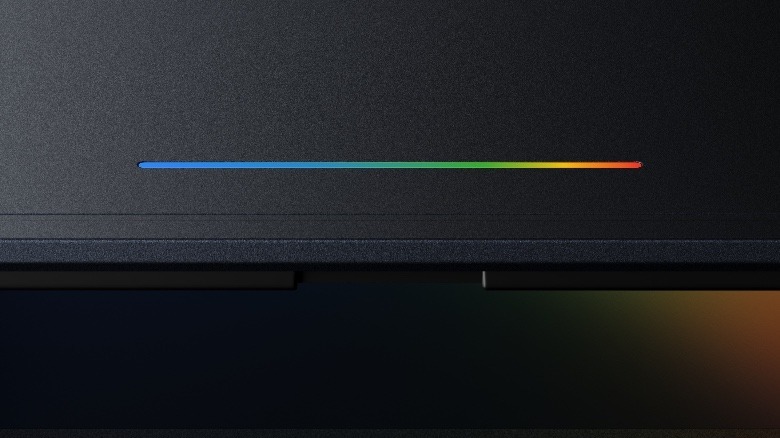
The timing of this announcement, strategically released before Google I/O, demonstrates the company's intent to maximize media coverage and public interest. Rather than waiting for the official conference presentation, Google opted to generate buzz through this advance teaser, a tactic that has proven effective in building consumer excitement for major product launches. This approach allows the company to dominate technology news cycles and set the narrative surrounding the device before competitors can respond.
What makes the Googlebook particularly intriguing is its potential to leverage Google's extensive software ecosystem. Users could potentially enjoy seamless integration with Google Drive, Gmail, Google Photos, and other core Google services that form the foundation of many people's digital lives. The Android ecosystem integration would theoretically grant users access to millions of applications available on the Google Play Store, opening possibilities for productivity, creative work, and entertainment on a larger screen format.
The revelation of the Googlebook also raises important questions about Google's broader vision for computing devices. The company has invested heavily in Chromebooks, which run Chrome OS and emphasize cloud-based computing and web applications. A shift toward an Android-based laptop could represent either a complementary product line or potentially a long-term strategy to consolidate its operating systems. Industry observers are divided on whether this represents a new direction or simply an expansion of existing offerings.
Competition in the laptop market has intensified significantly in recent years, with manufacturers constantly seeking to differentiate their offerings through unique features, superior build quality, and compelling software experiences. Apple continues to dominate the premium segment with its MacBook line, while Windows laptops serve various market segments through numerous manufacturers. Chrome OS devices have carved out a niche in education and budget-conscious segments, but the broader laptop market remains highly competitive and price-sensitive.
The introduction of an Android-based laptop could potentially disrupt this established competitive landscape by offering users a familiar operating system in a new form factor. Android's 10-plus years of refinement in the mobile space have made it intuitive and powerful, and adapting it for a larger screen with keyboard and trackpad input could create a compelling alternative to existing options. Google's engineering teams have the expertise necessary to optimize the user experience for laptop-sized displays and traditional input methods.
Storage, processing power, and battery life will be critical factors that determine the success or failure of the Googlebook in the marketplace. Early indications suggest that Google is taking these considerations seriously, though concrete specifications remain under wraps. The company's history of producing quality hardware, evidenced by its Pixel phones and other devices, suggests that the Googlebook could meet or exceed user expectations in these fundamental areas.
The software experience on the Googlebook will likely differ from traditional Android phones and tablets, requiring careful consideration of how interface elements scale and function with larger screens and traditional input peripherals. Developers will need to adapt their applications and create new ones specifically optimized for the laptop form factor. Google's developer community, energized by the upcoming conference, will likely receive detailed guidelines and tools for optimizing their apps for this new device category.
Looking ahead to Google I/O, industry attendees and technology enthusiasts around the world are eagerly anticipating the full reveal of the Googlebook and the comprehensive details that will accompany the official announcement. The conference is expected to provide deeper insights into Google's vision for portable computing and how this device fits into the company's larger product roadmap. This event will likely generate substantial coverage and analysis from technology media outlets globally.
The Googlebook teaser demonstrates Google's confidence in its ability to introduce new product categories and successfully compete against established players in the computing market. Whether this device ultimately succeeds will depend on factors including pricing, actual performance, software optimization, and how effectively Google markets the device to both consumers and business users. The next week will prove crucial in determining whether this Android-based venture generates genuine consumer interest or remains a niche product.
Source: Engadget


