
Google Transforms Fitbit Into Health Data Hub

Google launches unified Health app on May 19, consolidating fitness and wellness data. Explore how the new portal streamlines your health tracking.
Google is making a significant strategic move in the health and fitness technology space by converting the Fitbit app into a comprehensive unified health portal. This transformation represents a major shift in how users will access, manage, and interpret their personal health and fitness information across Google's ecosystem. The rollout of this new Google Health app is scheduled to begin on May 19, marking a watershed moment for digital health management and personal wellness tracking.
The consolidation of health data into a single, integrated platform addresses a long-standing challenge for fitness enthusiasts and health-conscious users who have struggled to juggle multiple applications and data silos. By merging the capabilities of the Fitbit platform with Google's broader health infrastructure, the company aims to create a seamless experience where users can view all their health and fitness metrics in one centralized location. This unified approach eliminates the friction of switching between different apps and services to monitor various aspects of personal wellness, from daily step counts to heart rate variability.
Google's decision to rebrand and reimagine the Fitbit application comes several years after the company's acquisition of Fitbit in 2021. This integration has been a carefully planned initiative to leverage Fitbit's extensive expertise in wearable fitness technology and health monitoring while combining it with Google's powerful cloud infrastructure and artificial intelligence capabilities. The new Health app will serve as the central nervous system for all health-related data that users collect through various Google services and compatible third-party devices.
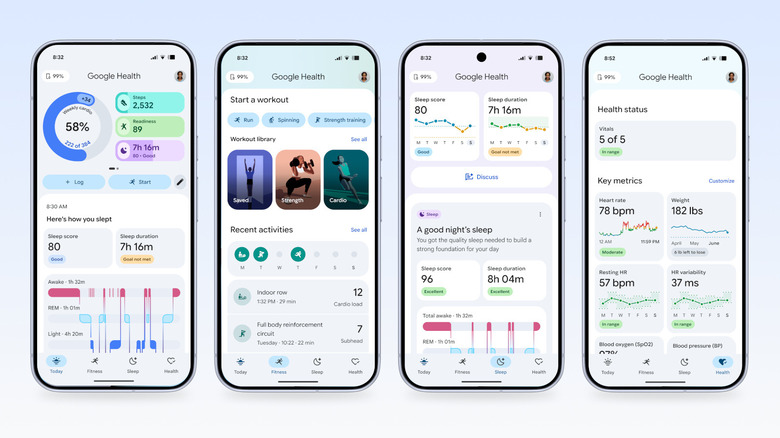
The new unified health platform will bring together data from multiple sources including Fitbit wearables, Google Fit integrations, and potentially other connected health devices and services. Users will be able to visualize comprehensive health trends, set personalized wellness goals, and receive insights powered by machine learning algorithms. The interface design focuses on making health data more accessible and actionable, helping users understand their fitness patterns and make informed decisions about their lifestyle choices.
One of the key advantages of this consolidation is the ability to provide more intelligent and contextual health recommendations. By analyzing patterns across different data streams—such as sleep quality, activity levels, heart rate trends, and workout performance—the Health app can offer personalized suggestions that are tailored to individual needs and goals. This holistic approach to health tracking goes beyond simple step counting and calorie burning metrics, addressing the more nuanced aspects of personal wellness that modern health-conscious consumers increasingly value.
The timing of this rollout is strategic, arriving as consumer interest in personal health monitoring continues to surge. Wearable technology adoption has grown exponentially, with millions of users relying on fitness trackers and smartwatches to monitor their daily activities and health metrics. Google's move to create a unified ecosystem positions the company to capture and retain users who might otherwise be fragmented across competing platforms and services. This consolidation also strengthens Google's position in the broader health technology market, where competition from Apple, Samsung, and other tech giants is intensifying.
For current Fitbit users, the transition to the new Health app represents an evolution of their existing experience rather than a complete departure. Google has committed to maintaining backward compatibility and ensuring that historical health data is preserved and accessible within the new interface. The company recognizes the importance of user continuity and has been deliberate in planning a smooth migration that respects the investment existing users have made in the Fitbit ecosystem. This approach demonstrates Google's understanding that health data is deeply personal and that users need confidence that their information will be handled thoughtfully during platform transitions.
The health data integration capabilities of the new app will extend beyond just Fitbit devices. Google is positioning this as an open health platform that can potentially connect with various other health devices, medical records systems, and fitness applications. This interoperability approach aligns with growing industry trends toward health data portability and user empowerment. By allowing users to connect multiple data sources, Google is creating a more comprehensive health picture that can deliver greater value and insights compared to isolated, single-source applications.
Privacy and data security have been paramount considerations in the development of this unified health platform. Google has implemented robust encryption protocols and privacy controls to ensure that sensitive health information remains protected. Users will have granular control over which applications and services can access their health data, with clear transparency around data usage policies. As health data represents one of the most sensitive categories of personal information, Google's commitment to privacy safeguards is critical to building and maintaining user trust in this expanded ecosystem.
The May 19 launch date signals the beginning of a broader rollout that will extend across different regions and user segments. While the initial launch will establish the foundation for this unified approach, subsequent updates and feature releases are expected to further enhance the platform's capabilities. Google has indicated that it will continue developing new features and integrations based on user feedback and emerging health technology trends. This iterative approach to product development ensures that the Health app can evolve to meet changing user needs and incorporate new types of health data and insights.
For the broader healthcare and wellness industry, Google's consolidation of health data services represents a significant statement about the future of personal health management. The move reflects growing recognition that fragmented health data limits the potential for meaningful health insights and improved outcomes. By creating a centralized health information hub, Google is establishing a model that other technology companies may follow, potentially accelerating the industry's shift toward integrated health ecosystems. This standardization could ultimately benefit consumers by reducing complexity and improving their ability to manage their health proactively.
As the May 19 launch approaches, health-conscious consumers and existing Fitbit users have reason to anticipate an improved experience that simplifies health tracking and provides more meaningful insights into their personal wellness. The transformation of the Fitbit app into Google's unified Health portal marks an important inflection point in how people will manage their health data in the digital age. With powerful analytics, seamless integration, and a commitment to privacy, this new platform has the potential to significantly enhance how individuals monitor, understand, and improve their health and fitness outcomes.
Source: Engadget


