
Google Wear OS 7: Gemini AI & Smart Widgets

Google unveils Wear OS 7 with integrated Gemini Intelligence and revolutionary widget system for smartwatches. Discover what's new.
Google has officially announced the arrival of Wear OS 7, marking a significant milestone in the evolution of wearable technology. This latest operating system update brings substantial improvements to smartwatch functionality, with particular emphasis on artificial intelligence integration and user interface enhancements. The announcement signals Google's commitment to making wearable devices smarter, more intuitive, and deeply connected to its ecosystem of AI-powered services.
At the heart of this update lies the integration of Gemini Intelligence, Google's advanced AI assistant. By embedding Gemini directly into Wear OS 7, Google enables smartwatch users to access powerful artificial intelligence capabilities right from their wrists. This integration allows users to interact with voice commands, receive intelligent suggestions, and leverage AI-driven insights without needing to reach for their smartphones. The Gemini AI integration represents a transformative approach to how users can access information and control their digital lives through wearable devices.
The update introduces a completely reimagined widget system designed specifically for the unique constraints and opportunities of smartwatch displays. Unlike traditional Android widgets, these new Wear OS widgets are optimized for smaller screens and touch interaction patterns. The redesigned widgets provide quick access to essential information such as weather, fitness metrics, calendar events, and health monitoring data. Users can customize their widget experience to match their personal preferences and daily routines, making their smartwatches more personalized than ever before.
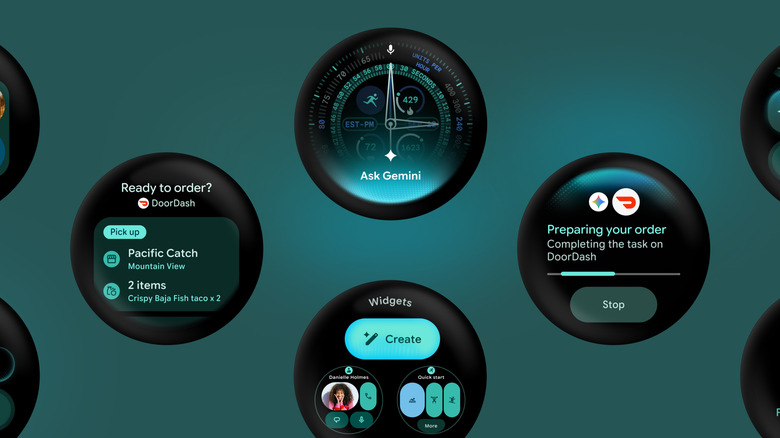
The Wear OS 7 update demonstrates Google's strategic vision for wearable computing in an era increasingly defined by artificial intelligence. By prioritizing AI integration, Google is positioning smartwatches as sophisticated computing devices rather than mere fitness trackers or notification hubs. The update ensures that users can harness the power of advanced AI models directly from their wrists, enabling more intelligent interactions with their digital environments. This approach reflects broader industry trends toward distributing AI capabilities across multiple connected devices.
Performance improvements represent another crucial aspect of this operating system update. Google has optimized Wear OS 7 to run more efficiently on smartwatch hardware, resulting in improved battery life and faster app loading times. These enhancements address longstanding complaints about wearable device performance, making smartwatches more practical for all-day use. The efficiency gains are particularly important given the limited computational resources and battery capacity available in compact wearable devices.
The new widget system brings unprecedented flexibility to smartwatch home screens and notification centers. Developers can now create custom widgets that take full advantage of Wear OS 7's capabilities, leading to richer information displays and more interactive experiences. The widget framework supports various sizes and interaction patterns, allowing developers to design components that work seamlessly within the wearable environment. This democratization of widget development should encourage a broader ecosystem of third-party applications and services optimized for smartwatches.
User interface refinements throughout Wear OS 7 make navigation more intuitive and efficient. Google has redesigned menu structures, notification handling, and app switching to minimize the number of interactions required to accomplish common tasks. The rotary crown and touchscreen inputs have been optimized to work harmoniously, giving users multiple input methods depending on their preference and context. These usability improvements make smartwatches more accessible to users of all technical skill levels.
Health and fitness applications benefit significantly from Wear OS 7's improvements. The operating system now provides better integration with Google's health ecosystem, including enhanced sleep tracking, workout detection, and heart rate monitoring. Third-party fitness app developers can leverage deeper system-level access to health sensors, enabling more comprehensive and accurate health monitoring. This focus on wellness features reflects growing consumer interest in using smartwatches as primary health management devices.
Battery optimization stands out as a critical achievement in the Wear OS 7 development cycle. Through intelligent resource management and optimized code execution, Google has managed to extend battery life on compatible smartwatch models. The system prioritizes essential services and background processes, reducing unnecessary power consumption while maintaining responsiveness. Users can expect their smartwatches to run longer between charges, making them more reliable companions throughout the day.
Connectivity enhancements in Wear OS 7 strengthen the link between smartwatches and other Google ecosystem devices. Improved Bluetooth connectivity, enhanced WiFi functionality, and deeper integration with Android phones create a more cohesive experience across devices. Users can seamlessly transition between smartwatches, phones, and tablets while maintaining continuous access to their data and services. This interconnected approach leverages Google's strength in creating unified digital experiences.
The Gemini Intelligence features accessible through Wear OS 7 extend far beyond simple voice assistance. Users can ask complex questions, receive contextual information, and manage daily tasks through natural language interaction. The AI model understands context from calendar events, location data, and user preferences, providing highly personalized responses. This sophisticated approach to AI integration elevates smartwatch functionality to new levels of usefulness and intelligence.
Developers representing major smartwatch manufacturers and app creators have praised the improvements in Wear OS 7. The operating system provides better tools, APIs, and frameworks for creating feature-rich applications tailored to wearable experiences. Enhanced debugging capabilities and emulation tools make development more efficient, likely encouraging broader adoption of the platform. The improved developer experience should lead to a more vibrant ecosystem of applications and services for Wear OS users.
Security and privacy enhancements complement the new features introduced in Wear OS 7. Google has implemented stronger authentication mechanisms, improved data encryption, and more granular privacy controls throughout the operating system. Users can now have greater confidence that their personal health data, location information, and sensitive interactions remain protected. These security improvements are essential given the intimate nature of health and fitness data collected by modern smartwatches.
The rollout of Wear OS 7 will occur gradually across compatible smartwatch models, with different manufacturers implementing the update at varying schedules. Popular smartwatch brands including Samsung, Fossil, and others will receive the update through standard over-the-air mechanisms. Early adopters can expect to receive Wear OS 7 within weeks of the announcement, while broader rollout may take several months. This phased approach allows Google to monitor real-world performance and address any issues that emerge during deployment.
Looking ahead, Wear OS 7 establishes a foundation for future wearable computing innovations. The integration of Gemini AI, improved widget system, and enhanced performance create a platform ready for next-generation smartwatch applications and services. As artificial intelligence becomes increasingly central to Google's product strategy, smartwatches represent a crucial frontier for AI deployment. The Wear OS 7 announcement signals that Google intends to remain competitive in the wearable technology market while establishing itself as a leader in bringing advanced AI capabilities to everyday devices.
Source: Engadget


