
Government Pushes Supermarkets to Cap Food Prices

UK government urges retailers to voluntarily limit prices on essential groceries including eggs, bread, and milk amid rising cost-of-living concerns.
The UK government has stepped up pressure on major supermarket chains to implement voluntary price caps on essential food items as part of broader efforts to address the ongoing cost-of-living crisis affecting millions of households across the nation. According to the BBC, these price limitations would primarily target key groceries such as eggs, bread, milk, and other staple foods that represent significant portions of typical household shopping bills.
Officials have made clear that any pricing measures would operate on a voluntary basis, meaning supermarkets would not be legally mandated to participate in the scheme but would be encouraged to do so as a gesture of corporate responsibility. This approach reflects the government's preference for working collaboratively with the retail sector rather than imposing strict regulatory controls that could face legal challenges or implementation difficulties. The voluntary nature of the proposal allows retailers flexibility in how they approach price stability while still addressing public concerns about inflation and affordability.
The initiative comes at a time when food prices have surged dramatically across the United Kingdom, putting considerable strain on household budgets and forcing many families to make difficult choices between purchasing essential groceries and paying for other necessities. Supermarket chains have faced mounting criticism from consumer advocates and politicians who argue that retailers have failed to adequately shield consumers from the worst effects of inflation. The government's push for food price controls represents an attempt to balance competing interests: supporting struggling families while maintaining relationships with major retailers.
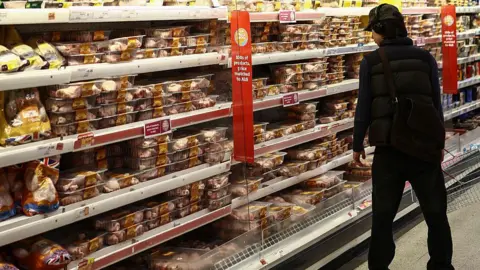
Eggs, bread, and milk have been specifically identified as priority items for potential price stabilization due to their fundamental importance in household nutrition and budgeting. These products form the backbone of many family diets and are essential for consumers across all income levels, making them ideal candidates for any pricing intervention. The selection of these particular groceries reflects government focus on items where price increases have been most pronounced and where limitations could provide meaningful relief to consumers struggling with inflation.
The supermarket sector has become a focal point for government attention regarding cost-of-living pressures, with retailers wielding significant influence over consumer prices through their purchasing power and supply chain management. Major chains control substantial market share and have the ability to absorb some cost increases through operational efficiencies or reduced profit margins. However, retailers have consistently argued that they operate on relatively thin margins and that their pricing reflects genuine cost pressures from suppliers, energy expenses, and logistics challenges.
This proposal represents part of a wider government strategy to tackle inflation and support household finances during a period of economic uncertainty. Previous measures have included energy price caps and increased benefits for vulnerable households, but officials believe additional interventions in the food retail sector could provide meaningful relief. The government appears willing to work with retailers through voluntary agreements rather than pursue more contentious regulatory approaches that might damage business confidence or supply chain efficiency.
The response from major supermarket chains will be crucial in determining whether voluntary price caps can effectively moderate food inflation. Some retailers have already made announcements about limiting price increases on selected essential items, suggesting potential receptiveness to government suggestions. However, the success of any voluntary scheme will depend on sustained commitment from multiple chains and their ability to maintain competitive offerings while accepting constrained margins on key products.
Consumer advocacy groups have expressed cautious optimism about the proposal, noting that while voluntary measures fall short of comprehensive price controls, they represent meaningful government engagement with the retail sector on affordability issues. Campaigners have stressed the urgent need for action, citing data showing that food price inflation has significantly outpaced wage growth for most workers, eroding purchasing power across the income spectrum. The impact on vulnerable populations, including pensioners on fixed incomes and low-wage workers, has been particularly severe.
Food affordability has emerged as one of the most pressing policy challenges facing the government, with opinion polls consistently showing public concern about household finances and essential expenses. Politicians from across the spectrum have recognized the political salience of inflation and the necessity of demonstrating responsiveness to constituent concerns. The focus on supermarket pricing reflects understanding that retail sector cooperation could yield tangible benefits for consumers without requiring extensive new legislation or government expenditure.
The proposal also raises questions about market competition and how price stabilization efforts might affect smaller retailers and independent shops that lack the scale advantages of major chains. While supermarkets operate with significant bargaining power with suppliers, smaller retailers often face higher unit costs and have more limited ability to absorb cost pressures. Government policy will need to consider potential unintended consequences where price limits on major chains could inadvertently disadvantage independent competitors or reduce incentives for price competition in the retail sector.
Economic analysts note that the effectiveness of voluntary price caps depends heavily on whether they represent temporary measures during acute inflation or longer-term structural changes to how retailers approach pricing. Short-term caps might provide relief during crisis periods but could face sustainability challenges if cost pressures persist. Long-term agreements would require more fundamental shifts in retailer business models or government support mechanisms to ensure margins remain adequate for continued investment in store infrastructure and employment.
The government's approach reflects broader debates about the appropriate balance between market mechanisms and regulatory intervention in addressing consumer welfare concerns. While some economists argue that price controls can distort markets and create inefficiencies, others contend that voluntary cooperation between government and retailers represents pragmatic policy that respects business autonomy while addressing legitimate public concerns. The coming weeks and months will reveal whether this collaborative approach can deliver meaningful results for struggling households managing food costs and overall living expenses.
Implementation of any voluntary price cap scheme would require clear definition of which products qualify, what price levels constitute acceptable limits, and how compliance would be monitored and verified. Transparency mechanisms would be essential to ensure public confidence in the program and to prevent retailers from circumventing limits through product reformulation or quality reduction. The government's negotiating position with supermarkets will likely involve discussions about support mechanisms, timeline expectations, and how the scheme would adapt to changing economic conditions.
Looking forward, this initiative signals government commitment to actively engaging with the retail sector on cost-of-living pressures rather than relying solely on broader monetary policy tools. Success in securing voluntary price agreements from major chains could provide a template for addressing other essential goods and services where inflation has created hardship. The outcome of these negotiations will have implications not only for immediate consumer relief but also for how government and business interact on social and economic policy matters going forward.
Source: BBC News


