
Greece Promises Zero Border Delays for British Tourists

Greek tourism minister Olga Kefalogianni assures visitors won't face delays from new biometric checks. Summer travel plans secured for UK tourists heading to Greece.
Greece is taking proactive steps to ensure that British tourists won't experience lengthy delays at border checkpoints during the upcoming summer travel season. Tourism Minister Olga Kefalogianni has made a firm commitment that the introduction of new biometric security checks won't create bottlenecks that could dampen visitor enthusiasm or disrupt holiday plans for travelers from the United Kingdom.
The Greek government has recognized the importance of maintaining seamless entry processes for international visitors, particularly those arriving from Britain, one of the country's most significant source markets for tourism revenue. Kefalogianni emphasized that the government's primary concern is ensuring that travelers are not unduly "burdened" by the implementation of enhanced security measures. This reassurance comes as the European Union continues to roll out stricter border control procedures across member states to enhance security while maintaining the free movement of legitimate travelers.
The commitment reflects Greece's understanding that border delays can significantly impact tourist satisfaction and spending patterns during peak season. By proactively addressing concerns about potential congestion at airports and land borders, Greek authorities are signaling their dedication to preserving the country's reputation as a welcoming and efficient destination for British holidaymakers seeking Mediterranean experiences.
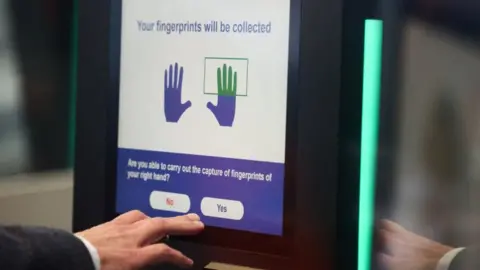
Biometric screening processes, which include fingerprint scanning and facial recognition technology, are increasingly common across European entry points. These measures are designed to enhance security by verifying traveler identities and cross-referencing them against international databases. However, the implementation of such systems has occasionally led to longer processing times during periods of high passenger volumes, particularly during summer holiday peaks.
Greece's tourism sector is a vital component of the national economy, generating substantial revenues and employment opportunities across the country. British visitors represent a considerable portion of the tourist demographic, with hundreds of thousands of UK nationals visiting Greece annually during the warmer months. The assurance from the tourism ministry indicates that authorities have invested in infrastructure improvements and staffing allocations to handle the expected surge in travelers without compromising on security protocols.
The Greek government has likely implemented several strategies to achieve this balance between security and efficiency. These may include additional staffing at border posts during peak travel times, upgraded technological infrastructure to process biometric data more rapidly, and enhanced coordination between airport authorities and immigration services. Such measures demonstrate Greece's commitment to maintaining its competitive advantage in the crowded European tourism market.
European Union border protocols have been evolving in response to security concerns while attempting to preserve the benefits of open borders for legitimate travelers. The introduction of biometric requirements represents part of a broader strategy to enhance vetting procedures without creating excessive disruption. Kefalogianni's statement suggests that Greece is confident in its ability to implement these requirements smoothly, even during the busiest travel periods.
For British tourists planning summer vacations to Greece, this announcement provides peace of mind regarding travel logistics. The minister's assurance addresses one of the common concerns that potential travelers might have when considering European destinations—the fear that new security procedures could result in missed connections, extended waits, or other travel complications. By front-loading this communication, Greek authorities are removing a potential obstacle to travel decisions.
The statement also reflects broader tourism industry trends where destination countries recognize that visitor experience extends beyond attractions and accommodations to include the entire travel journey. First impressions at borders significantly influence overall satisfaction with a destination, making efficient and courteous border processing essential for maintaining positive tourism flows and repeat visitation rates.
Summer 2024 is expected to see strong tourism recovery and growth across Mediterranean destinations, with Greece positioned as a particularly attractive option. The country's diverse offerings—from ancient historical sites to stunning beaches, vibrant nightlife to serene island retreats—continue to appeal to international visitors. The minister's commitment to streamlined border processes is a strategic move to capitalize on anticipated demand and maintain Greece's share of the competitive European tourism market.
British travelers have historically shown strong loyalty to Greek destinations, with established routes to popular islands and mainland regions. Families, couples, and solo travelers from the UK continue to represent a reliable and economically important segment of the tourism market. Ensuring their comfort and convenience at entry points is therefore a logical priority for Greek authorities looking to maximize both visitor numbers and satisfaction rates during the high season.
The tourism minister's pronouncement carries weight because it comes at a crucial time in the travel planning calendar. Many British tourists make their summer holiday bookings and arrangements in the months leading up to peak season, and reassurance about border procedures influences destination selection. By publicly guaranteeing that summer travel won't be hampered by biometric checks, Kefalogianni is effectively removing a potential competitive disadvantage compared to other Mediterranean destinations that might face implementation challenges.
The broader context of post-pandemic travel recovery cannot be overlooked. As international travel continues to rebound to pre-pandemic levels, destinations are competing intensely for visitors and tourism expenditure. Greece's proactive communication about border efficiency demonstrates savvy marketing and recognition of what modern travelers prioritize when selecting destinations. The combination of attractive offerings and frictionless travel experiences creates a compelling value proposition for British tourists.
Implementation success will depend on various factors including adequate funding for border infrastructure, sufficient personnel training on new biometric systems, and coordination between different government agencies and private sector stakeholders. Greece's historical experience managing large tourist volumes, particularly during July and August, suggests that authorities have the operational expertise necessary to execute this plan effectively. The public commitment from the tourism minister serves both as a guarantee to potential visitors and as a motivational statement to relevant government agencies tasked with delivery.
Looking ahead, the success of this initiative will likely set precedent for how Greece manages similar transitions in the future. If border procedures proceed smoothly without significant delays, it will reinforce Greece's reputation as a well-managed, visitor-friendly destination. Conversely, any operational challenges would need to be addressed quickly to prevent negative word-of-mouth that could impact future tourism numbers. The stakes are therefore quite high, making the minister's commitment a significant pledge regarding government capability and dedication to the tourism sector.
Source: BBC News


