Gripping Thriller Mirrors Hungary's Political Tensions Ahead of Pivotal Election

Low-budget Hungarian film 'Feels Like Home' draws parallels to Orbán's 16-year reign, captivating audiences as the country gears up for a pivotal parliamentary election.
As the clock strikes seven on a Tuesday night, Budapest's most popular movie theater is packed to the brim, not a single seat left empty. But the audience is not here to catch the latest Hollywood blockbuster – instead, they've come to witness the captivating story of a low-budget Hungarian film that has managed to resonate deeply with the nation's political climate.
The film in question is Feels Like Home (Itt Érzem Magam Otthon), a gripping thriller that has not only wowed audiences with its striking visuals but also with its impeccable timing, as its release coincides with the pivotal parliamentary elections in Hungary, scheduled for 12 April.

The film's plot, which centers around an abduction, has drawn striking parallels to the 16-year reign of Viktor Orbán, Hungary's Prime Minister, who has been accused of increasingly authoritarian tendencies. Audiences have been quick to draw these connections, finding the film's narrative particularly resonant in the lead-up to the country's crucial political event.
Despite its modest budget, Feels Like Home has managed to captivate moviegoers with its powerful storytelling and its ability to reflect the underlying tensions that have been simmering in Hungary for years. As the nation prepares to head to the polls, this low-budget thriller has become a testament to the power of art to mirror and amplify the political discourse in a way that traditional media often fails to do.
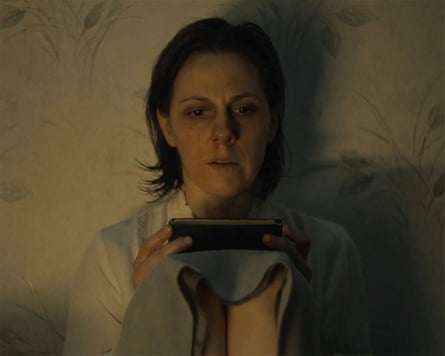
The film's success has also highlighted the growing appetite among Hungarians for alternative narratives that challenge the dominant political narratives propagated by the government. As Orbán's government has tightened its grip on the media landscape, the popularity of Feels Like Home suggests that there is a hunger for independent voices that can offer a different perspective on the country's political landscape.
In a time of heightened political polarization, the success of this low-budget thriller serves as a powerful reminder that art can be a powerful tool for political expression, providing a platform for voices that might otherwise be marginalized or silenced. As Hungarians prepare to cast their ballots, the resonance of Feels Like Home highlights the deep-seated tensions that continue to shape the country's political landscape.