
Grocers Offer Cost-of-Living Relief With Dignity

Community groceries across the UK are stepping up to help struggling families access affordable food while maintaining their dignity and self-respect.
Across the United Kingdom, a growing network of community-focused grocery initiatives is revolutionizing how affordable food reaches struggling households. These organizations are fundamentally changing the conversation around food assistance by centering dignity and respect alongside practical economic support. Rather than relying solely on traditional food bank models that can feel impersonal or stigmatizing, community groceries are creating welcoming retail environments where individuals and families can access cost-of-living relief through purchasing discounted products at significantly reduced rates.
Woking Community Grocery stands as a prime example of this innovative approach to tackling food insecurity in modern Britain. The organization operates on a principle that extends far beyond simply distributing free goods or surplus items. Instead, they have carefully curated a shopping experience where customers can browse shelves stocked with quality produce, dairy products, and pantry staples at prices substantially lower than conventional supermarket pricing. This model preserves the fundamental human experience of choosing what to purchase, maintaining the autonomy and agency that traditional food assistance programs sometimes undermine.
The philosophy underpinning community groceries recognizes a critical truth: financial hardship carries profound psychological and emotional dimensions alongside its material challenges. When individuals and families are struggling to make ends meet, the last thing they need is to feel like recipients of charity or objects of pity. By positioning themselves as legitimate retail operations that happen to offer exceptional value, these community grocery ventures restore a sense of normalcy to the shopping process while providing tangible financial relief during periods of economic stress.
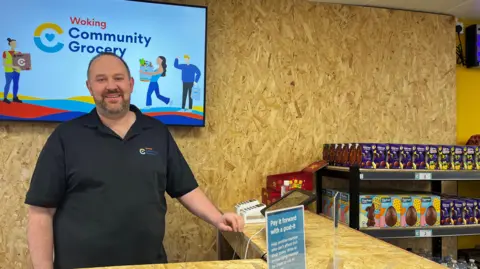
The cost-of-living crisis that has gripped households across the UK has created unprecedented demand for accessible, affordable food options. Traditional grocery chains have seen consumers increasingly trading down to budget product lines or reducing their overall food spending. For many households, the choice between heating homes and eating nutritious meals has become an uncomfortable reality. Community groceries have emerged as a practical and compassionate response to this crisis, offering a bridge between economic necessity and human dignity that conventional welfare systems sometimes fail to provide.
Woking Community Grocery and similar initiatives have documented remarkable success in serving their local populations. The reduced-price model allows families to stretch their food budgets significantly further, creating room in household finances for other essential expenses like utilities, rent, and transportation. Customers report feeling empowered rather than diminished by their shopping experience, which contrasts sharply with feedback about traditional emergency food distribution systems. This psychological and practical benefit has proven just as valuable as the direct financial savings the groceries provide.
The operational model of these community groceries varies slightly depending on local circumstances and available resources. Some receive government funding or support from charitable organizations, while others operate through a combination of donations, volunteer labor, and modest revenue from their sales. Many have developed strong relationships with local suppliers and producers who donate slightly imperfect produce or near-expiration items that would otherwise be wasted. This approach simultaneously addresses food waste, supports local agricultural producers, and creates a circular economy benefit that extends beyond the immediate food assistance mission.

The broader grocery retail industry has taken notice of these community-based initiatives, with some larger supermarket chains beginning to implement their own affordable shopping programs or partnering with community organizations. This mainstream recognition signals an important shift in how the sector approaches affordability and corporate social responsibility. Some major grocers have established designated discount areas or dedicated time slots for budget-conscious shoppers, recognizing that food accessibility is not merely a charity issue but a fundamental economic indicator of societal health.
Research into the impact of community grocery models has revealed additional benefits beyond the immediate cost savings. Regular customers report improved nutrition and food security outcomes compared to those relying exclusively on traditional emergency food assistance. The ability to choose fresh produce rather than receiving whatever items are available in food bank parcels has measurable health implications. Families with regular access to affordable fresh fruits and vegetables show better dietary diversity and improved health markers, creating downstream savings in healthcare costs and improved quality of life.
The staffing and volunteer structures of successful community groceries deserve particular attention. Many rely on a combination of paid staff and dedicated community volunteers who understand the importance of creating a welcoming, non-judgmental environment. Staff training programs emphasize respectful customer service, cultural sensitivity, and an understanding of the economic pressures their customers face. This human-centered approach transforms what could be a purely transactional retail experience into something that builds community connections and social support networks alongside providing material assistance.
As the cost-of-living pressures continue to affect millions of British households, the expansion and sustainability of community grocery initiatives has become increasingly important. Local governments and policy makers are beginning to recognize these models as legitimate public health infrastructure worthy of sustained support and investment. Several local authorities have begun incorporating community grocery development into their economic resilience and public health strategies, understanding that food security is foundational to community wellbeing.
The success of Woking Community Grocery has inspired similar ventures in other regions, with communities adapting the model to suit local needs and circumstances. From modest neighborhood operations to larger multi-location initiatives, the core principle remains consistent: providing affordable access to quality food while treating customers with the respect and dignity their circumstances demand. This approach recognizes that economic hardship is often temporary and circumstantial rather than a reflection of personal failure, and that community support should reflect that understanding.
Looking forward, the future of community groceries appears increasingly central to the broader conversation about food security, public health, and economic inequality in the United Kingdom. As these organizations continue to demonstrate their effectiveness and importance, they challenge conventional assumptions about charity, welfare, and community responsibility. By proving that dignity-centered food assistance is both feasible and preferable to traditional models, community groceries are reshaping expectations about how societies should support their most vulnerable members while maintaining their agency, autonomy, and human worth.
Source: BBC News


