
Gulf Economies Face Decades-Long Recovery from Iran Tensions

Economic experts warn that regional tensions between Iran and Gulf states could inflict lasting damage on the region's prosperity for years to come.
The Gulf economies are bracing for a prolonged period of economic uncertainty as tensions with Iran continue to create instability across one of the world's most strategically important regions. Regional analysts and financial experts have issued sobering assessments regarding the long-term consequences of ongoing geopolitical friction, with many suggesting that the recovery process could extend across multiple decades rather than years. The implications of this conflict extend far beyond immediate market volatility, threatening to reshape the economic landscape of some of the world's wealthiest nations.
The core concern among economists centers on how sustained regional instability disrupts investment flows, trade patterns, and business confidence throughout the Gulf Cooperation Council countries. Major multinational corporations have already begun reassessing their regional operations and expansion plans, while foreign direct investment has shown signs of hesitation in recent months. This capital flight represents more than a temporary setback; it reflects deeper structural concerns about the viability of long-term business operations in an environment marked by unpredictable political dynamics and potential military escalation.
Energy markets have emerged as a particularly vulnerable sector within the Gulf region's economy, given the area's critical role in global oil and gas supplies. Any disruption to production or transportation through key maritime routes could trigger worldwide price shocks with cascading effects on developed and developing economies alike. Insurance costs for shipping have already increased substantially, adding friction to international trade and making Gulf ports less competitive compared to alternative shipping routes and production centers.
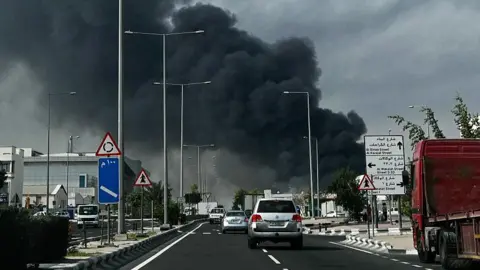
Financial institutions operating across the Gulf have downgraded growth forecasts for major regional economies, citing both direct conflict risks and indirect economic spillovers from reduced investor confidence. Banking sector liquidity remains adequate, but credit conditions have tightened as risk premiums have widened across the board. Currency pressures have also emerged in some markets, despite the pegging arrangements that many Gulf states maintain with the United States dollar, as capital outflows test the resilience of regional monetary systems.
The tourism and hospitality sectors, which have become increasingly important for economic diversification in recent years, face considerable headwinds from travel advisories and reduced business tourism from international sources. Major conference venues, luxury hotels, and entertainment facilities that were designed to attract global visitors now find themselves operating at reduced capacity. This represents a significant blow to governments that have invested heavily in positioning their nations as global business and leisure destinations.
Real estate markets across the Gulf have begun showing signs of stress as international investors reassess their property holdings and future acquisition plans. Commercial office space that was previously in high demand now faces declining rental rates and extended vacancy periods. Residential real estate, particularly in premium segments targeting expatriate professionals and international investors, has experienced notable price adjustments in several major metropolitan areas throughout the region.
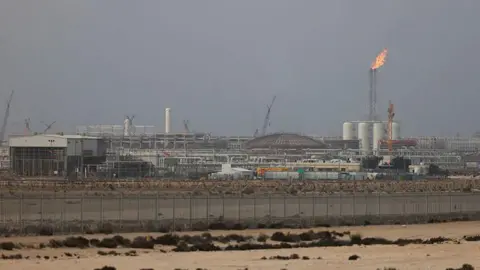
The Iran-Gulf conflict dynamics have created particular challenges for regional supply chain networks that were already strained from previous disruptions. Manufacturing operations that depend on cross-border component sourcing now face increased transportation costs, extended delivery times, and heightened insurance expenses. Small and medium-sized enterprises, which lack the scale and resources of larger multinational corporations, have found themselves especially vulnerable to these economic pressures and operational challenges.
Government revenues, which are heavily dependent on energy exports and downstream petroleum operations, have faced mounting pressure from a combination of lower commodity prices and reduced global demand during periods of geopolitical uncertainty. This fiscal stress has forced several Gulf nations to reconsider their spending priorities, delaying major infrastructure projects and reassessing workforce expansion plans. The impact on employment, particularly among expatriate workers who form a substantial portion of the regional workforce, has already become evident in several market segments.
Experts emphasize that recovery from this extended period of economic disruption will require not only a resolution to the immediate political tensions but also a fundamental rebuilding of investor confidence in the region's stability and governance frameworks. This represents a multi-layered challenge that extends beyond simple diplomatic solutions, requiring sustained efforts to demonstrate institutional resilience and predictable policy environments. The timeline for such reconstruction efforts could easily span one or two decades if underlying tensions persist.

Trade relationships between Gulf states and major international partners have begun to show strain as companies carefully evaluate their regional exposure and supply chain dependencies. Several nations have started exploring alternative sourcing and distribution strategies that reduce their reliance on Gulf infrastructure and logistics networks. This strategic diversification, while prudent from a risk management perspective, effectively represents a loss of competitive advantage that Gulf economies have historically enjoyed.
The long-term economic outlook for the Gulf region will largely depend on how quickly geopolitical tensions can be defused and whether regional governments can implement meaningful economic reforms to reduce their vulnerability to future disruptions. Diversification away from oil and gas remains a critical priority, but the current uncertain environment is precisely the wrong backdrop for attracting the type of foreign investment and international partnerships that such diversification typically requires. The window for implementing transformative economic changes narrows as immediate pressures consume the attention and resources of policymakers.
Regional development banks and international financial institutions have begun working more closely with Gulf governments on contingency planning and economic resilience strategies. However, these efforts can only provide limited relief if the underlying political situation continues to deteriorate. The consensus among economic commentators is clear: without significant progress toward regional stability, the Gulf economies will face a prolonged period of suboptimal growth, elevated uncertainty, and gradual erosion of their competitive position in global markets.
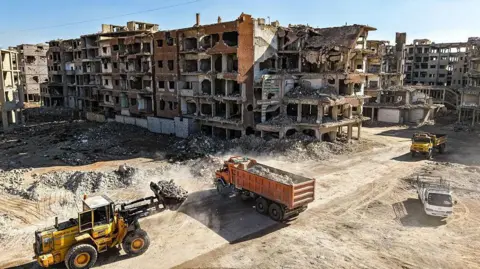
The ultimate cost of extended regional tension will be measured not just in immediate financial losses or GDP growth shortfalls, but in lost opportunities for development, innovation, and economic transformation that could have occurred during this critical period. A generation of potential growth and prosperity hangs in the balance as Gulf nations grapple with the profound economic implications of sustained geopolitical conflict. Whether the region can successfully navigate these challenging times while emerging with its economic foundations intact remains one of the most pressing questions facing international economic observers and policymakers alike.
Source: BBC News


