
Gulf States Rocked as Iran-US Conflict Reshapes Middle East

The escalating tensions between Iran and the US are upending the carefully crafted image of stability in the Gulf states. Explore how Saudi Arabia, Qatar, and the UAE are being forced to adapt.
Countries such as Saudi Arabia, Qatar and the UAE are finding their carefully projected image of stability has been blown away as the war on Iran continues to reverberate across the Middle East. The Gulf powers, often seen as static and unchanging due to their massive wealth and absolute monarchical rule, are being forced to adapt to the rapidly shifting political landscape in the region.
Beyond the concerns over energy supply challenges to the global economy, the current conflagration between the US, Israel, and Iran will have profound consequences for the entire region. This is not just about the major players, but rather a complex, overlapping political order in the Middle East that is much more fragile than it appears.
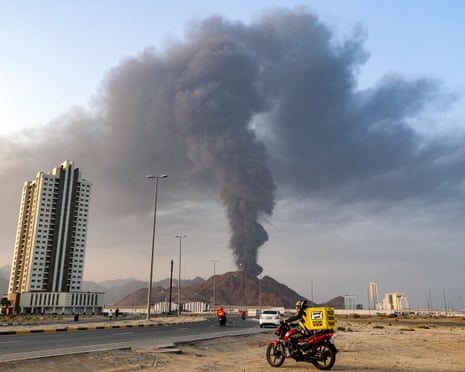
Amid the transformations sweeping across the region over the past few years, the low-key evolution of three Gulf countries in particular has been the most significant. Saudi Arabia, Qatar, and the United Arab Emirates have been rapidly making changes, the effects of which have been felt from Libya to Palestine. The 7 October attacks, which arguably set off the chain of events leading to the current escalation, have put these Gulf states in the spotlight.
These countries, long seen as bastions of stability in the volatile Middle East, are now finding their carefully crafted images challenged. The delicate balance of power that has maintained the status quo in the region is being disrupted, forcing these Gulf states to reevaluate their strategies and adapt to the new realities on the ground.

Saudi Arabia, in particular, has undergone a remarkable transformation under the leadership of Crown Prince Mohammed bin Salman. The young and ambitious heir to the throne has embarked on a series of sweeping reforms aimed at modernizing the country and reducing its dependence on oil. However, the kingdom's involvement in the Yemen conflict and the murder of journalist Jamal Khashoggi have tarnished its image and strained its relationships with the international community.
Similarly, the United Arab Emirates has been actively involved in conflicts across the region, from Libya to Yemen, while also positioning itself as a hub for international business and tourism. However, the country's involvement in maritime incidents and its support for various factions in the region have raised concerns about its role in the broader geopolitical landscape.
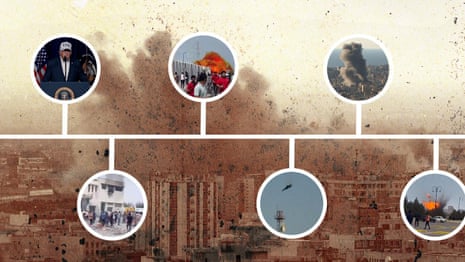
Meanwhile, Qatar has emerged as a key player in the region, playing a mediating role in conflicts and hosting the 2022 FIFA World Cup. However, the country's diplomatic crisis with its Gulf neighbors and its support for groups like the Muslim Brotherhood have drawn criticism and heightened tensions within the region.
As the war on Iran continues to unfold, the Gulf states are being forced to navigate a rapidly changing political landscape. Their carefully projected image of stability has been shaken, and they must now adapt to the new realities on the ground. The consequences of this conflict will be felt far beyond the borders of Iran, Israel, and the United States, as the delicate balance of power in the Middle East is disrupted.
The Gulf states are no longer the static, unchanging entities they were once perceived to be. They are being forced to evolve and redefine their roles in the region, a process that will have far-reaching implications for the entire Middle East.
Source: The Guardian


