
Gullah Geechee Community Fights to Preserve Ancestral Land

Historic Black communities in South Carolina face property disputes, predatory developers, and rising taxes threatening their ancestral homes and cultural heritage.
The Gullah Geechee people, descendants of enslaved West Africans, have maintained a distinctive cultural heritage along the coasts of South Carolina, Georgia, and Florida for centuries. However, this vibrant community now faces unprecedented threats to their way of life as property disputes, predatory developers, and surging sea levels converge to put historic Black communities at serious risk. The stakes could not be higher, as families who have stewarded their land for generations now find themselves fighting to keep their ancestral homes from being lost forever to forces both natural and economic.
Arthur Champen, an 81-year-old resident of Hilton Head Island in South Carolina, represents countless families struggling to maintain their connection to the land. His half-acre property, nestled beneath a canopy of southern live oaks, palmettos, and towering pine trees, offers a sanctuary from the bustling nearby highway 278. The distinctive haint blue house, painted in the traditional color believed to ward off spirits in Gullah tradition, sits elevated on stilts—a practical architectural choice designed to mitigate the devastating effects of flooding that accompany high tides. During spring months, the adjacent marshland transforms into a waterlogged landscape, a reminder of the precarious relationship between the community and the rising waters that threaten their existence.
Despite the modern pressures surrounding his property, Champen finds solace in the natural soundscape of his land. "Other than the cars," Champen reflects thoughtfully, "you hear how peaceful it is?" This tranquility, however, masks an increasingly urgent struggle that has become the defining challenge of his later years and for younger generations of Gullah Geechee families. The peace of home life stands in stark contrast to the legal and financial battles unfolding daily across the region.

Approximately a decade ago, Champen's family confronted a harrowing crisis when they nearly lost the grassy marshland adjacent to their home—land that had been in their family's possession for several generations. This near-catastrophic loss was not an isolated incident but rather part of a larger pattern affecting Gullah Geechee communities throughout the Low Country. The threat came from multiple directions simultaneously: unclear property titles created confusion about ownership rights, predatory developers circled the area seeking to acquire valuable coastal land at minimal cost, and rising property taxes made it increasingly difficult for long-time residents to afford to keep their homes.
The convergence of these challenges has created a perfect storm of vulnerability for families who have maintained their cultural identity and community bonds for centuries. Many Gullah Geechee families lack formal documentation proving their ownership of land that their ancestors have occupied and improved for generations. This documentation gap, rooted in historical inequities and systemic discrimination, has made their properties vulnerable to legal challenges from outsiders and unscrupulous actors seeking to acquire valuable Low Country real estate. The unclear titles issue represents one of the most insidious threats, as it provides legal grounds for disputes that can drag families through exhausting and expensive court proceedings.
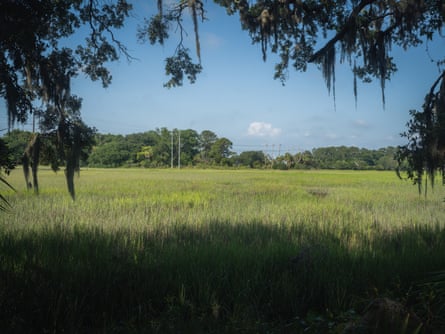
Beyond the legal complexities, the economic pressures have become nearly unbearable for many families. Property values in the Low Country have skyrocketed as coastal real estate has become increasingly desirable for development and tourism. With rising property values comes the inevitable consequence of surging property taxes that assess land at these inflated rates. Many Gullah Geechee families, whose incomes have not kept pace with regional economic development, find themselves unable to pay annual tax bills that can amount to several thousand dollars or more. This tax burden has effectively become a mechanism of displacement, forcing families to sell ancestral properties not because they wish to leave, but because they cannot afford the financial obligations attached to ownership.
The role of developers in this displacement crisis cannot be understated. Predatory developers have become infamous in coastal Black communities for their tactics of identifying vulnerable properties, approaching elderly landowners with attractive buyout offers, and gradually acquiring vast tracts of ancestral land. Once these developers gain control of multiple parcels, they transform the landscape entirely—replacing family homes and small farms with commercial developments, vacation rentals, and upscale residential communities designed for outside investors and wealthy newcomers. These developments fundamentally alter the character of Gullah Geechee communities, disrupting the social fabric and making it impossible for younger generations to remain in their ancestral homes even if they wished to do so.
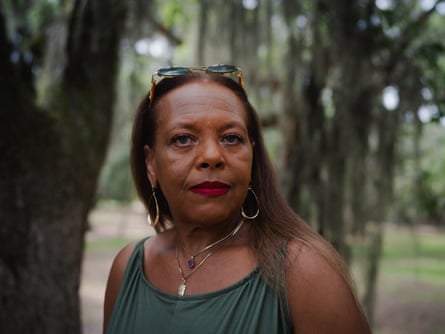
Climate change adds another layer of urgency to this multifaceted crisis. Sea level rise and increased storm surge present genuine threats to the physical survival of homes built on low-lying coastal land. While some families have adapted through architectural modifications like stilts and elevated foundations, others face situations where their property may literally become uninhabitable within decades. This environmental threat, combined with the legal and economic pressures, creates an impossible situation where families must choose between impossible alternatives: spend tremendous resources protecting their homes from rising waters while simultaneously struggling to pay taxes, or accept defeat and abandon the land their ancestors fought to establish as a safe haven.
The Gullah Geechee cultural heritage extends far beyond individual property lines. These communities have maintained a unique language, distinctive foodways, spiritual traditions, and artistic practices that survive nowhere else in America with such authenticity and vibrancy. The loss of ancestral land means the loss of the geographic foundation upon which this cultural identity rests. Young people dispersed to urban centers seeking economic opportunity find it nearly impossible to maintain cultural connections when they cannot afford to maintain a foothold in their home communities. The dispossession of Gullah Geechee land therefore represents not merely an economic or legal issue, but a threat to the survival of a distinctive American culture.

Efforts to address this crisis have emerged from within the community and from sympathetic organizations dedicated to preserving Gullah Geechee heritage. Legal aid organizations work to help families clarify property titles, connecting descendants with historical records and helping them establish clear documentation of ownership. Community land trusts have been established to acquire and hold land in trust, removing it from the speculative real estate market and ensuring that it remains available and affordable for Gullah Geechee families. Educational initiatives seek to ensure that younger generations understand their heritage and the history of their communities, creating the motivation necessary to fight for their preservation.
Despite these promising developments, the pace of displacement continues to outstrip the pace of preservation efforts. Without more aggressive intervention—including potential government assistance with tax burdens, stronger protections against predatory development, and resources to resolve historical title issues—many predict that within one or two generations, the Gullah Geechee presence in the Low Country will be reduced to scattered individuals rather than cohesive communities. The remarkable achievement of maintaining a distinctive African diaspora culture in North America for nearly four centuries could be undone in mere decades by forces that seem, on their surface, merely economic and legal rather than cultural.
For families like Arthur Champen's, the fight continues daily—not with dramatic gestures, but through the persistent, exhausting work of documenting ownership, paying taxes, defending against legal challenges, and adapting to environmental changes. Their determination to maintain their hold on ancestral land represents more than personal stubbornness or property ownership; it represents a fundamental assertion of the right to remain, to belong, and to continue building lives rooted in the places and cultures that define them. The outcome of this struggle will determine whether future generations of Gullah Geechee people can continue to call the Low Country home.
Source: The Guardian


