
Gun Lobby Targets Labor Seats Over NSW Firearm Reforms

Gun users' group plans campaign against Labor candidates who support post-Bondi firearm restrictions in marginal NSW seats.
A significant political campaign is set to unfold across marginal constituencies in New South Wales, as a prominent gun users' group intensifies its opposition to post-Bondi firearm legislation. The Australian Recreation Union (ARU) has revealed an ambitious strategy to mobilize voters and campaign against Labor candidates who have supported stricter gun control measures implemented following the tragic terror attack at Bondi Beach.
In a coordinated outreach effort, the ARU sent targeted communications to the electorate offices of 15 Labor backbenchers, signaling its intention to actively contest several upcoming electoral battles. The group has identified 17 electorates classified as "vulnerable" Labor seats, representing areas where the margin of victory is narrow enough to potentially swing to opposition parties. Among the targeted constituencies are high-profile seats such as Kogarah, represented by New South Wales Premier Chris Minns, and Swansea, held by Police Minister Yasmin Catley, underscoring the ambitions of the campaign.
The ARU campaign strategy represents a notable shift in how advocacy groups are engaging with electoral politics in the state. According to the union's communications, the organization has successfully recruited campaign managers positioned across all 17 identified electorates, suggesting a well-coordinated and resourced operation. This infrastructure signals the group's serious commitment to influencing election outcomes through grassroots organizing and candidate support initiatives.
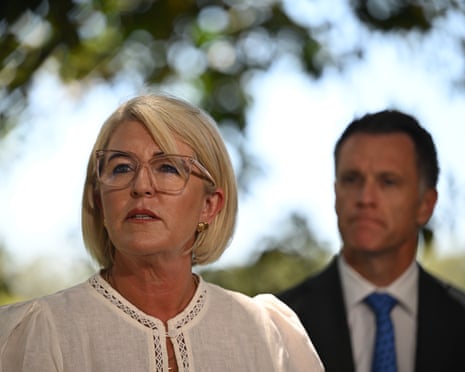
The timing of this campaign is particularly significant given the context of recent legislative changes in New South Wales. Following the December 2024 Bondi Beach shooting, the state government under Premier Chris Minns implemented comprehensive firearm reform measures designed to enhance public safety and strengthen gun ownership regulations. These reforms have become a point of contention between the government and gun owners' advocacy groups who argue the restrictions are excessive and infringe upon the rights of legitimate, law-abiding gun enthusiasts and recreational shooters.
The ARU's explicit strategy to oppose Labor candidates and support alternatives reflects deeper divisions within the electorate regarding the appropriate balance between public safety concerns and gun ownership rights. The group frames its campaign not as a personal attack on individual politicians, but rather as a principled stand against what it perceives as overly restrictive legislative measures. This framing is important for understanding how the organization seeks to present itself within the broader political discourse surrounding firearm policy.
Gun control remains a contentious issue in Australian politics, with strong opinions on both sides of the debate. While some constituents view stricter regulations as essential protective measures following mass casualty events, others believe that responsible gun owners should not face increased restrictions that limit their recreational activities and sporting pursuits. The ARU's campaign essentially brings this fundamental disagreement into the electoral arena, attempting to make firearm policy a decisive voting issue across multiple constituencies.
The selection of target electorates reveals a sophisticated understanding of electoral mathematics. By focusing on Labor-held seats with narrow margins, the ARU is positioning itself to potentially influence outcomes in contests that could determine overall parliamentary composition. The inclusion of seats held by the Premier and Police Minister suggests the group views these high-profile targets as symbolic victories that could amplify the broader campaign message about government overreach in firearm regulation.
Political analysts note that such targeted issue-based campaigns can significantly impact electoral outcomes, particularly in marginal seats where voter turnout and the intensity of voter engagement often determine winners and losers. The ARU's approach of recruiting dedicated campaign managers in each electorate suggests the organization intends to mobilize voters through direct engagement, community organizing, and door-to-door campaigning focused specifically on firearm policy concerns.
The response from the Labor government and individual targeted MPs will likely shape how this campaign develops. Some Labor members have publicly defended the post-Bondi reforms as necessary public safety measures, while others may seek to address gun owners' concerns through dialogue or modified regulations. The political pressure from a well-organized advocacy group could force these discussions onto the public agenda in ways that might not have occurred otherwise.
The ARU's campaign also raises broader questions about the role of single-issue advocacy groups in electoral politics. While such organizations have legitimate rights to engage in political advocacy, their ability to concentrate resources on specific seats and candidates reflects the increasing sophistication of interest group political engagement in Australia. This development suggests that future elections will likely see more targeted campaigns organized around specific policy issues rather than broader party platforms.
Looking ahead, the success or failure of the ARU campaign could establish important precedents for how other advocacy groups approach electoral engagement. If the organization achieves significant results in marginal seats, other groups focused on different issues may adopt similar strategies. Conversely, if the campaign fails to gain substantial voter support, it may suggest that firearm policy, while important to its advocates, may not be the decisive voting issue needed to swing electoral outcomes in most constituencies.
The unfolding political battle over gun control legislation in New South Wales demonstrates how single policy areas can become focal points for broader electoral competition. As the next NSW election approaches, firearm reform will likely remain a topic of political debate and campaigning, particularly in the marginal seats now targeted by the ARU. The campaign represents an important example of how advocacy organizations are attempting to directly influence electoral politics through issue-focused mobilization and candidate targeting strategies.
The Australian Recreation Union's initiative reflects the passion and commitment held by gun owners' groups regarding what they view as their fundamental interests. Whether this passion can be translated into significant electoral consequences remains to be seen, but the campaign clearly signals that gun control debates will play a prominent role in determining how voters in marginal NSW seats make their electoral choices in the coming election cycle.


