
Gunshots Erupt in Philippine Senate During Arrest Standoff

Senator Ronald dela Rosa, wanted by ICC for crimes against humanity, remains barricaded in Philippine senate building as armed standoff escalates with gunfire.
A dramatic and tense standoff unfolded within the halls of the Philippine Senate as gunshots erupted during a confrontation involving Senator Ronald dela Rosa, who is accused of serious crimes against humanity by the International Criminal Court. The escalating situation has gripped the nation, drawing international attention to the complex legal battle surrounding the senator's alleged involvement in controversial law enforcement operations.
Senator Ronald dela Rosa, a prominent political figure in the Philippines, has barricaded himself within the Senate building for two consecutive nights, refusing to surrender to authorities attempting to execute an arrest warrant. The senator faces serious allegations related to his operational oversight of the former President Rodrigo Duterte's highly controversial and deadly war on drugs campaign, which has been the subject of intense scrutiny from human rights organizations worldwide.
The International Criminal Court has formally accused dela Rosa of crimes against humanity stemming from his administrative role during the implementation of the drug enforcement campaign. This represents a significant moment in the Philippine legal system, as it marks one of the first instances of a sitting senator being pursued by the ICC for alleged human rights violations during domestic law enforcement operations.
The situation escalated dramatically when gunshots were fired inside the Senate building, creating an extremely tense environment as security personnel and law enforcement officials attempted to manage the standoff. The discharge of firearms within one of the country's most important government institutions underscored the volatile nature of the confrontation and raised serious questions about safety protocols within the facility.
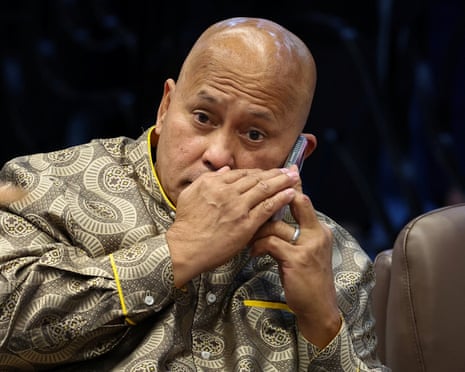
Details surrounding the exchange of gunfire remain unclear, though sources suggest the shots were fired during an attempted apprehension of the senator. The Philippine authorities have been attempting to arrest della Rosa to facilitate his transfer to ICC custody or to comply with the international arrest warrant. The standoff has created a unique constitutional and political crisis, as lawmakers and security officials grapple with the unprecedented situation of a senator refusing to leave the legislature.
The background to this confrontation involves the Duterte administration's drug war, which lasted several years and resulted in thousands of deaths. Independent investigations and human rights groups have documented extensive evidence of extrajudicial killings, arbitrary arrests, and systematic violence perpetrated under the guise of drug enforcement. Senator dela Rosa's role as the former chief of the Philippine National Police during the implementation of this campaign has made him a central figure in ongoing accountability efforts.
International human rights organizations have been calling for accountability regarding the drug war operations for years. The ICC's involvement represents an escalation in these efforts, as the international body has jurisdiction over crimes that shock the conscience of humanity. The formal accusations against dela Rosa have amplified pressure on the Philippine government to ensure compliance with international legal obligations and demonstrate commitment to human rights standards.
The decision by dela Rosa to remain within the Senate building reflects broader tensions within Philippine politics surrounding the drug war legacy and questions of accountability. Some political allies have attempted to provide support for the senator, while others have called for strict adherence to the law and cooperation with international legal processes. This division has created a complicated political dynamic that threatens to deepen existing rifts within government institutions.
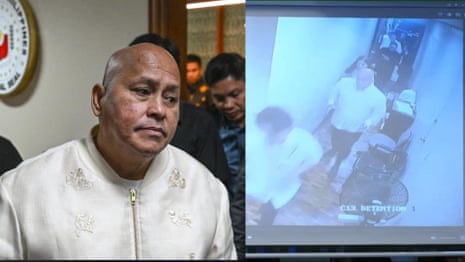
The arrest warrant against dela Rosa was issued following the formal ICC determination that there exists sufficient evidence of crimes against humanity. The warrant's scope includes allegations related to the planning, ordering, and execution of numerous extrajudicial operations that resulted in civilian deaths. The charges represent a serious indictment of the operational methods employed during the drug enforcement campaign.
Security personnel surrounding the Senate building have maintained a careful perimeter while attempting to negotiate with the senator through various channels. Law enforcement officials have had to balance the need to execute the arrest warrant with concerns about escalating violence within a government building. The presence of armed personnel within the Senate has raised concerns among other lawmakers and staff members about their safety and security.
The international dimension of this crisis cannot be overstated, as the ICC prosecution signals a broader accountability movement targeting high-ranking officials accused of human rights violations. The Philippines' obligations as a signatory to various international conventions require cooperation with ICC processes, creating pressure on the national government to enforce the arrest warrant. However, domestic political considerations have complicated the government's response to these international legal obligations.
Previous investigations into the drug war operations have documented concerning patterns of violence and alleged misconduct. Testimonies from victims' families, survivors, and former law enforcement personnel have painted a picture of systematic targeting of individuals based on drug-related suspicions. Many of the deceased were never formally charged with crimes, raising serious due process concerns that feature prominently in the ICC's investigation.
The standoff inside the Senate building represents a critical moment for the Philippine justice system and its international standing. How authorities ultimately resolve this situation will send important signals about the government's commitment to the rule of law and accountability. The events unfolding within the Senate walls have captured public attention and sparked intense debate about the proper balance between national sovereignty and international legal obligations.
Legal experts have noted that the situation presents unprecedented constitutional questions for the Philippine government. The Senate has traditionally been viewed as a space protected by legislative privilege, yet international law obligations may supersede these domestic protections in cases involving allegations of crimes against humanity. This tension between local and international legal frameworks continues to create complications for authorities attempting to resolve the standoff peacefully.
Statements from various political figures have reflected the deep divisions within Philippine society regarding the legacy of the drug war and questions of accountability. Some have defended the drug enforcement campaign as necessary for public safety, while others have called for full accountability and cooperation with international mechanisms. These contrasting perspectives have made it difficult for government officials to chart a clear course forward.
The humanitarian implications of this crisis extend beyond the immediate standoff, touching on fundamental questions about the rule of law, human rights protection, and governmental accountability. The families of those who died during the drug war operations continue to seek justice and recognition of their losses. The ICC's involvement has provided a potential avenue for international accountability when domestic mechanisms have proven inadequate.
As the standoff continues, the situation demands urgent resolution that respects both legal obligations and human safety. The discharge of firearms within the Senate building underscores the dangers inherent in prolonged confrontation and the critical need for careful negotiation and de-escalation. The coming hours and days will likely prove decisive in determining how this unprecedented crisis ultimately resolves and what precedents it sets for future accountability efforts.


