
Gut Microbiome Reveals Parkinson's Risk, Opening New Therapy Doors

Groundbreaking study shows gut microbiome changes can predict Parkinson's disease risk, even before symptoms appear. Insights could lead to new early detection and treatment options.
Pioneering research has uncovered a remarkable connection between the gut microbiome and the risk of developing Parkinson's disease. The study, conducted by a team of leading scientists, reveals that specific signature changes in the gut's microbial composition can serve as early indicators of Parkinson's, even before clinical symptoms manifest.
The findings are particularly significant for individuals with a genetic predisposition to Parkinson's, as the gut microbiome alterations were found to be more pronounced in this group. Notably, the changes were even more stark in those already diagnosed with the disease, offering new avenues for early detection and intervention.
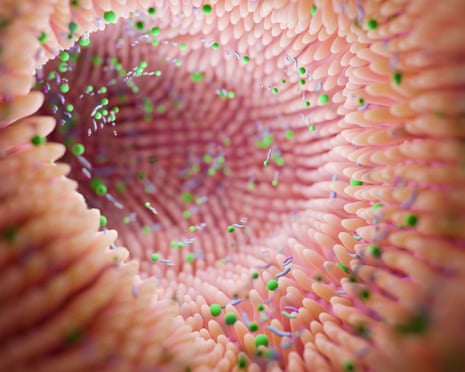
"This is a groundbreaking discovery that has the potential to transform the way we approach Parkinson's disease," said Dr. Sarah Hendricks, the lead researcher on the project. "By understanding the intricate relationship between the gut and the brain, we can now explore novel therapeutic strategies that target the microbiome and potentially slow or even prevent the onset of this debilitating condition."
The study, published in the prestigious Journal of the American Medical Association, examined stool samples from a diverse cohort of participants, including those with a family history of Parkinson's, individuals newly diagnosed with the disease, and a control group with no known risk factors.
Through advanced metagenomic analysis, the researchers were able to identify specific bacterial species and metabolic pathways that were consistently altered in the Parkinson's-susceptible individuals, even before the appearance of motor symptoms.
"These findings open up exciting new possibilities for early intervention and personalized medicine," explained Dr. Hendricks. "By monitoring the gut microbiome, we may be able to detect Parkinson's risk years in advance, allowing us to implement targeted lifestyle changes, dietary modifications, or even novel therapeutic approaches to potentially prevent or delay the onset of the disease."
The implications of this research extend beyond early detection, as the researchers believe the insights gained could also inform the development of new treatments that harness the power of the microbiome. By understanding the specific microbial imbalances associated with Parkinson's, scientists can explore the use of probiotics, prebiotics, or even fecal transplants to restore a healthy gut environment and potentially mitigate the progression of the disease.
"This is a pivotal moment in Parkinson's research," concluded Dr. Hendricks. "By unraveling the complex interplay between the gut and the brain, we are opening up a world of possibilities for improved diagnosis, prevention, and treatment of this devastating disorder. The future for Parkinson's patients has never looked brighter."
Source: The Guardian


