
GWR Train Operator Set for Government Takeover

Great Western Railway to be renationalised within months, returning London-South Wales rail service under state control after decades of private operation.
In a significant shift in UK railway management, Great Western Railway (GWR), one of Britain's most prominent train operators, is poised to return to government control within the coming months. The operator, which provides essential rail services connecting London with South Wales and surrounding regions, will transition from private sector management to direct state ownership, marking a major change in the country's rail infrastructure policy.
This renationalisation decision represents a fundamental transformation in how Britain's railway network operates. The move comes as part of the government's broader strategy to consolidate control over key transport networks and ensure that essential services remain aligned with public interest priorities. GWR's transition will make it the latest major operator to shift from private to public ownership, following similar patterns across the UK's rail industry in recent years.
The London to South Wales rail service that GWR operates is one of the busiest and most economically significant transport corridors in the United Kingdom. This route carries hundreds of thousands of passengers annually, supporting both commuter traffic and leisure travel while playing a vital role in regional economic connectivity. The takeover ensures that operational decisions affecting this critical infrastructure will be made with public welfare as the primary consideration.
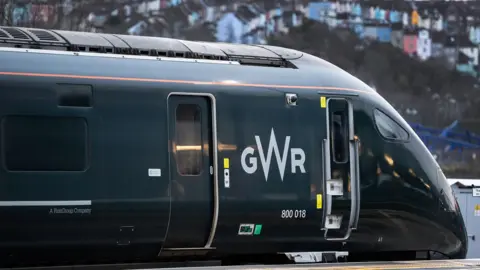
The renationalisation process reflects ongoing government initiatives to reform the UK's rail industry structure. Over the past decade, the government has increasingly intervened in rail operations, particularly following the COVID-19 pandemic's impact on passenger numbers and revenue. Several private operators have struggled with franchise agreements, leading to government buyouts and direct operation arrangements that prioritize service quality and financial sustainability over profit maximization.
GWR's parent company and current management have overseen the operator during a period of significant change in the railway sector. The operator has faced various operational challenges, service delivery expectations, and financial pressures typical of modern rail franchises. The transition to government control will require careful planning to ensure continuity of service while potentially implementing new operational and strategic approaches.
The public ownership model for UK railways has gained increasing support among policymakers and the general public. Advocates argue that bringing railways back under government control allows for better integration with other transport systems, more consistent investment in infrastructure, and pricing policies that prioritize accessibility over profit margins. This philosophy has driven several recent renationalisation efforts across the British rail network.
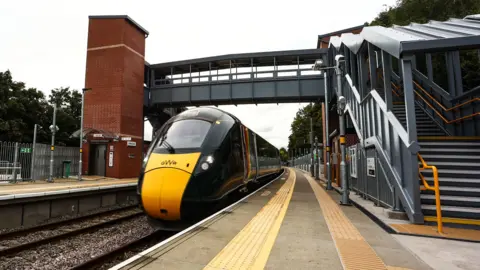
The transition timeline, expected to occur within months, requires coordination between multiple government departments, regulatory bodies, and GWR's current management team. The process will involve transferring operational responsibilities, reviewing contracts with suppliers and staff, and establishing new governance frameworks. Careful planning is essential to prevent disruptions to the millions of passengers who depend on this service for their daily commutes and travel needs.
Employees at GWR face a period of uncertainty during the transition, though government takeover typically includes provisions to maintain workforce stability and employment terms. Staff working on trains, at stations, and in support services will likely continue their roles, though operational structures and reporting lines may change. Clear communication with employees will be crucial to maintaining morale and service quality during this period of organizational change.
The renationalisation reflects broader questions about the effectiveness of private rail franchising in Britain. Critics have argued that the franchise model has failed to deliver consistent service improvements, adequate investment, or passenger-focused operations. Government officials view direct public operation as a more accountable and responsive approach to managing essential transport infrastructure that affects millions of people daily.
Regional stakeholders across South Wales and the West of England have expressed varied perspectives on the takeover. Local authorities and business groups recognize that stable rail connectivity is essential for economic development and quality of life. The renationalisation is expected to provide certainty regarding long-term service commitments and infrastructure investment in these regions, potentially supporting economic growth and improved transport accessibility.
The financial implications of this renationalisation are substantial, requiring government funding to cover operational costs, capital improvements, and infrastructure maintenance. Treasury officials have assessed the fiscal impact and determined that direct government operation represents better value for public money than continuing with private franchise arrangements. This calculation considers both immediate operational costs and long-term sustainability of the rail service.
Looking ahead, the rail service improvements under government management may include enhanced frequency, better maintenance standards, investment in modern rolling stock, and improved customer service initiatives. These improvements reflect the government's commitment to making public transport more attractive and reliable for the traveling public. Infrastructure upgrades along the London to South Wales corridor could enhance capacity and service quality for both commuter and leisure passengers.
The GWR renationalisation is part of a wider transformation of Britain's railway system. As more operators transition to government control or closely regulated partnerships with the state, the overall structure of the rail industry continues evolving. This trend suggests a fundamental rethinking of how public transport infrastructure should be organized and managed in a modern economy, with greater emphasis on integration, accountability, and passenger welfare rather than shareholder returns.
Source: BBC News


