
Hackers Hijack Ignition Interlock Devices, Leaving Drivers Stranded

After a security breach at an Iowa-based ignition interlock company, drivers across the country found themselves unable to start their vehicles. This cautionary tale highlights the risks of relying on connected technology.
Ignition Interlock Devices are a common requirement for drivers convicted of DUIs, mandating they blow into a device to measure alcohol levels before their car will start. One of the largest providers of these systems is Intoxalock, a Des Moines, Iowa-based company. But a recent security breach at Intoxalock had severe consequences for users across the country.
Many drivers who rely on Intoxalock's services found themselves unable to start their vehicles, leaving them stranded and unable to drive. The breach appears to have compromised the company's systems, allowing hackers to remotely disable the ignition interlock devices.
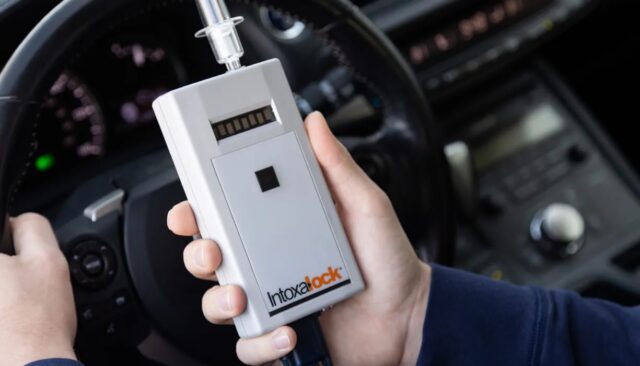
These devices, which must be leased from the company at a cost of $70-$120 per month, are a critical requirement for those with DUI convictions who want to continue driving. They measure the driver's alcohol level and only allow the car to start if it is below the legal limit.
The security vulnerability exploited by the hackers highlights the risks of relying on connected technology for such essential functions. While ignition interlock devices aim to improve road safety, this incident demonstrates how a cyberattack can leave drivers helpless and stranded.
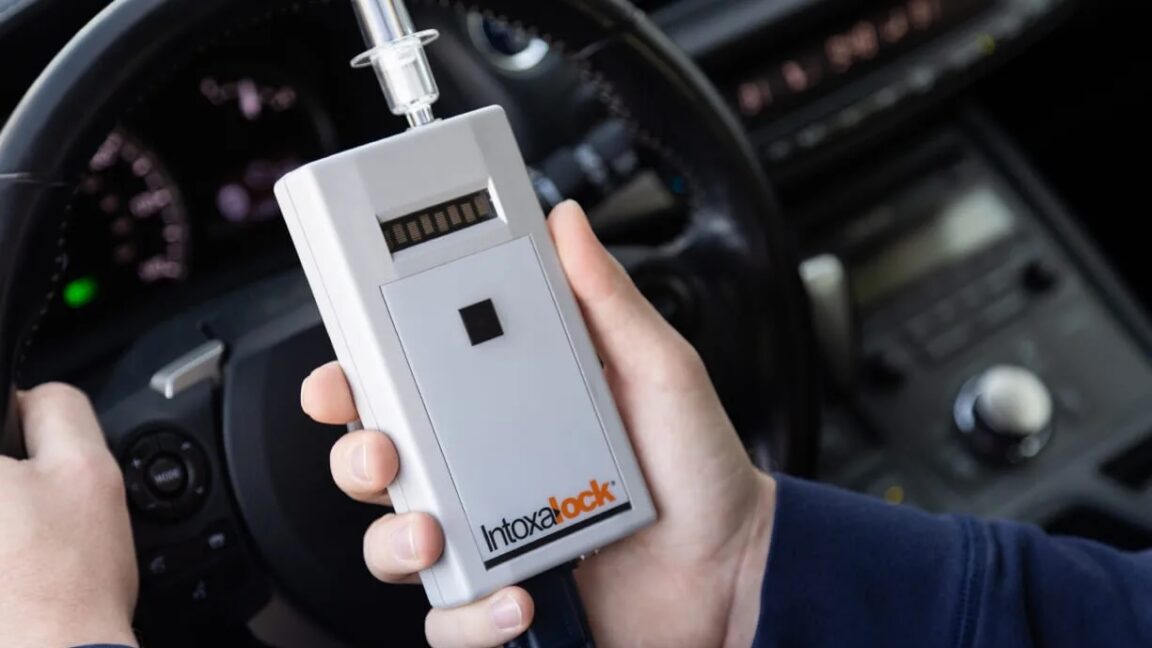
In some states, the interlock systems also track the driver's location using GPS and take periodic photos, adding another layer of complexity and potential privacy concerns. The combination of mandatory usage and reliance on internet-connected hardware makes these devices an attractive target for malicious actors.
This cautionary tale serves as a reminder that as we increasingly incorporate smart technology into critical aspects of our lives, we must also prioritize robust cybersecurity measures to protect against such disruptions. The Intoxalock breach has left many drivers in a precarious position, unable to start their vehicles and facing the consequences of a DUI conviction.

As the use of connected devices continues to expand, it is crucial that manufacturers, regulators, and consumers work together to ensure the security and reliability of these systems. The Intoxalock incident serves as a stark reminder of the potential risks and the need for proactive measures to safeguard against cyber threats.
Source: Ars Technica


