
Hamas Conducts Leadership Vote After Israeli Strikes

Hamas holds crucial election to select new interim leader following assassination of top commanders by Israeli forces in ongoing conflict.
The Palestinian militant organization Hamas has initiated a critical internal voting process to select a new interim leader, according to sources close to the organization who spoke to the BBC. This unprecedented leadership transition comes in the aftermath of targeted Israeli military operations that resulted in the elimination of several key Hamas commanders and political figures.
The leadership election represents a pivotal moment for the Gaza-based organization as it attempts to maintain operational continuity while facing intense military pressure from Israeli Defense Forces. Sources indicate that the voting process involves senior members of Hamas's political and military wings, though the exact composition of the electoral body remains undisclosed for security reasons.
The need for new leadership emerged following a series of precision strikes conducted by Israeli forces that systematically targeted Hamas's top echelon. These operations, part of Israel's broader military campaign, have significantly disrupted the organization's command structure and forced surviving leaders to operate under extreme security constraints.
Intelligence reports suggest that the interim leader selection process is being conducted in secrecy, with participants likely dispersed across multiple locations to avoid detection. The voting mechanism itself represents a departure from Hamas's traditional leadership appointment methods, which historically involved consultation among founding members and senior clerics.
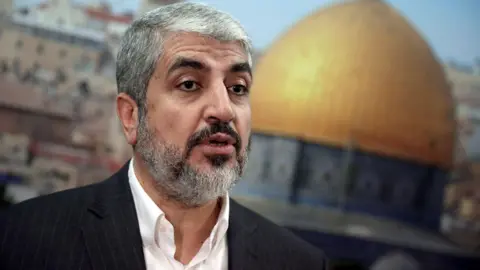
Regional analysts emphasize that this leadership transition occurs at a particularly challenging time for Hamas, as the organization faces not only military pressure but also significant logistical and financial constraints. The new interim leader will inherit responsibility for maintaining organizational cohesion while navigating complex relationships with regional allies and managing ongoing military operations.
The elimination of Hamas's previous leadership cadre has created a power vacuum that extends beyond mere administrative functions. These leaders were instrumental in maintaining diplomatic channels with regional powers, coordinating military strategy, and managing the organization's extensive social service networks throughout Gaza.
Security experts note that Israel's systematic targeting of Hamas leadership represents a strategic shift aimed at degrading the organization's operational capabilities rather than merely responding to immediate threats. This approach has forced Hamas to accelerate succession planning and implement more distributed command structures.
The voting process itself faces significant operational challenges, given the current security environment in Gaza. Communication between potential voters must navigate sophisticated surveillance systems, while physical meetings carry substantial risks of targeted strikes. These constraints have likely influenced both the timing and methodology of the selection process.
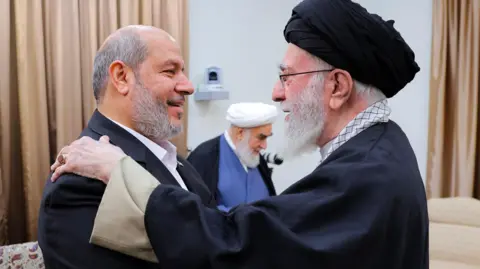
International observers are closely monitoring the Hamas leadership transition for indicators of the organization's future strategic direction. The identity and background of the chosen interim leader could signal whether Hamas will pursue a more militant approach or seek to de-escalate current tensions through diplomatic channels.
The leadership change also has implications for ongoing ceasefire negotiations and potential prisoner exchange discussions. New leadership may alter Hamas's negotiating positions or introduce different priorities regarding the organization's long-term objectives in Gaza and the broader Palestinian territories.
Regional intelligence services are particularly interested in understanding how the leadership transition might affect Hamas's relationships with key allies, including Iran, Hezbollah, and other regional militia groups. These partnerships have been crucial for Hamas's military capabilities and financial sustainability.
The voting process represents more than a simple replacement of eliminated leaders; it constitutes a fundamental test of Hamas's institutional resilience. The organization's ability to conduct orderly succession under extreme pressure demonstrates its organizational depth and adaptive capacity despite sustained military campaigns.
Military analysts suggest that the new interim leader will face immediate decisions regarding resource allocation, strategic priorities, and operational security measures. These choices will likely influence Hamas's effectiveness in maintaining its dual role as both a militant organization and a governing authority in Gaza.
The secrecy surrounding the voting process reflects broader security concerns within Hamas's remaining leadership structure. The organization has implemented enhanced operational security measures, including compartmentalized communication systems and distributed decision-making processes to prevent complete decapitation of leadership.
Historical precedent suggests that Hamas leadership transitions often involve extensive consultation with religious authorities and founding movement figures. However, current circumstances may necessitate abbreviated consultation periods and streamlined decision-making processes to ensure organizational continuity.
The international community is watching the Hamas leadership development with particular interest regarding its potential impact on regional stability. The chosen leader's background, previous statements, and known associations will likely influence diplomatic approaches and military planning by various regional actors.
As the voting process continues, intelligence agencies are attempting to identify potential candidates and assess their likely policy directions. The outcome of this internal election could significantly influence the trajectory of the ongoing conflict and shape future diplomatic initiatives in the region.
Source: BBC News


