
Hamas Used Sexual Violence as Weapon in October 7 Attacks

Israeli investigation reveals systematic sexual violence during Hamas's October 7 attacks, documenting harrowing cases in comprehensive report.
A comprehensive Israeli investigation has documented extensive evidence that Hamas systematically weaponized sexual violence during the devastating October 7 attacks on Israel. The report, considered the most detailed analysis of its kind to date, presents harrowing accounts from survivors and witnesses who experienced or witnessed sexual assaults during the coordinated assault. The findings underscore the brutal nature of the attacks and raise important questions about the treatment of captives and the methods employed by militant organizations during armed conflict.
The investigation was conducted by Israeli authorities who interviewed survivors, reviewed video evidence, and collected testimonies from those present during the October 7 attacks. The report details multiple incidents where sexual assault was used as a deliberate tactic rather than an incidental occurrence during the chaos of the attacks. Investigators found patterns suggesting that attackers specifically targeted civilians with sexual violence, indicating a coordinated approach to terrorizing the population. These findings represent one of the most serious allegations leveled against the militant organization since the attacks occurred.
The documentation of systematic sexual violence has significant implications for international law and human rights investigations. Weaponized sexual violence in conflict is recognized by international bodies as a war crime and crime against humanity when used as part of a deliberate military or political strategy. The Israeli investigation suggests that evidence supports these categorizations, though such determinations ultimately rest with international courts and tribunals. The report's release has intensified discussions about accountability and justice for victims of sexual violence in armed conflicts.
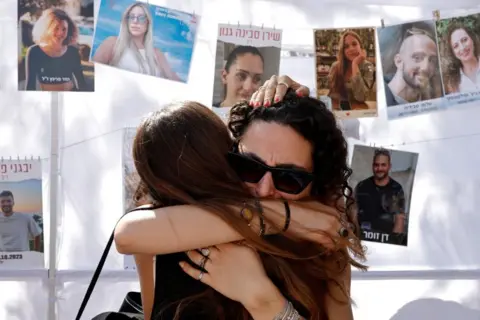
Survivor testimonies included in the investigation paint disturbing pictures of the attacks' brutality. Witnesses described instances where attackers deliberately targeted women and girls, subjecting them to multiple assaults during the initial invasion and subsequent hostage-taking. Some survivors reported being assaulted repeatedly over extended periods, while others described witnessing attacks on family members and friends. The psychological trauma resulting from these experiences has proven profound and long-lasting for many survivors, with mental health experts noting the complex nature of recovery following such violence.
The investigation's methodology involved extensive evidence gathering, including video footage captured by security cameras, bodycam recordings from first responders, and personal devices found at attack sites. Investigators also reviewed satellite imagery and gathered information from medical facilities that treated survivors. This multi-layered approach allowed researchers to corroborate testimonies and establish patterns of behavior that suggest coordinated sexual assault tactics. The combination of different evidence sources strengthens the conclusions drawn in the report, though experts note that documenting sexual violence in conflict zones remains challenging due to trauma and privacy concerns.
International legal experts have begun analyzing the report's implications for potential prosecutions and accountability mechanisms. Sexual violence as a weapon of war has been documented in numerous conflicts around the world, from the Rwandan genocide to the Balkans wars and beyond. However, achieving justice for victims of sexual violence remains notoriously difficult due to investigative challenges, witness protection concerns, and the complexities of international justice systems. The Israeli investigation's detailed documentation could potentially provide crucial evidence if cases proceed through international or Israeli courts.
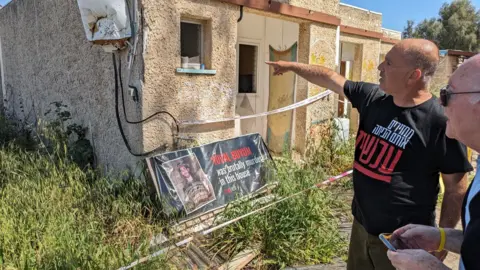
The psychological and physical health consequences for survivors of sexual violence in the October 7 attacks have become a significant humanitarian concern. Medical professionals treating survivors have documented various health impacts, including physical injuries, sexually transmitted infections, and severe psychological trauma including PTSD and depression. Survivor support and rehabilitation services have become increasingly important as communities grapple with the aftermath of the attacks. Mental health organizations, both within Israel and internationally, have mobilized to provide trauma-informed care to affected individuals.
Organizations focused on documenting sexual violence in conflict have praised the Israeli investigation for its comprehensive approach while emphasizing the need for broader international investigation and accountability mechanisms. These organizations note that documenting sexual violence serves multiple purposes: providing survivors with validation and recognition, creating an evidentiary record for potential prosecutions, and raising awareness about the tactic's use in contemporary conflicts. The report also highlights the importance of training first responders and investigators in trauma-informed approaches to evidence collection and survivor support.
The investigation's findings have sparked renewed discussions about protection of civilians during armed conflict and the application of international humanitarian law. The Geneva Conventions and their additional protocols explicitly prohibit sexual violence against protected persons during conflict. However, enforcement of these protections remains inconsistent, and bringing perpetrators to justice requires substantial international cooperation and commitment. The Israeli investigation's documentation could serve as an important precedent for how such violations are investigated and documented in future conflicts.
The report has also drawn attention to broader patterns of sexual violence in the Israeli-Palestinian conflict, with human rights organizations noting that allegations of sexual violence have been documented from multiple parties involved in the conflict. While this investigation focuses specifically on the October 7 attacks, sexual violence in the Israel-Palestine conflict has a documented history extending back decades. International organizations have called for comprehensive investigations into all allegations of sexual violence regardless of which party is accused, emphasizing that accountability should be applied consistently across all actors in the conflict.
Victim advocacy groups have emphasized that the investigation represents an important step toward justice, but note that documentation alone is insufficient without subsequent prosecution and accountability. They call for full cooperation with international investigators and for perpetrators to be held accountable through legitimate legal processes. The groups also stress the importance of centering survivor voices in discussions about justice and accountability, ensuring that responses to sexual violence are survivor-centered and trauma-informed. Ongoing support for survivors must remain a priority alongside justice efforts.
As discussions continue regarding the investigation's findings and their implications, international attention remains focused on the broader Gaza conflict and the humanitarian situation affecting civilian populations. The documentation of October 7 sexual violence exists alongside numerous documented allegations of harm affecting Palestinian civilians in the subsequent months. This complex situation underscores the need for impartial, comprehensive investigations into violations of international law from all parties involved. The path toward justice and accountability remains uncertain but represents an important component of eventual peace and reconciliation efforts.
The investigation's release marks a significant moment in documenting and potentially prosecuting sexual violence in the Israeli-Palestinian conflict. Whether through Israeli courts, international criminal courts, or other mechanisms, questions of accountability will likely dominate discussions for years to come. The comprehensive nature of this investigation provides a foundation for understanding the systematic nature of sexual violence during the October 7 attacks, offering both validation for survivors and potential evidentiary support for future legal proceedings. As the international community grapples with these findings, the challenge remains ensuring that documentation translates into meaningful justice and support for survivors.
Source: BBC News


