
Hanson's Norway-Style Gas Plan Challenges Export Tax

One Nation proposes scrapping offshore gas profits tax and acquiring 30% equity in new projects, sparking Coalition criticism of 'Venezuelan' approach.
One Nation leader Pauline Hanson has unveiled an ambitious energy policy proposal that would fundamentally reshape Australia's approach to offshore gas extraction and taxation. The plan represents a significant departure from current government frameworks and aims to maximize returns for Australian taxpayers from the nation's valuable natural resources. The proposal has already generated considerable debate across political circles, with supporters arguing it could unlock billions in additional revenue and critics questioning its practical viability and ideological underpinnings.
At the heart of Hanson's proposal is the abolition of the controversial offshore gas profits tax, which currently captures a portion of gains from gas extraction projects. The One Nation policy would replace this mechanism with a more direct approach: the commonwealth acquiring 30% equity stakes in all new offshore gas ventures developed off Australian shores. This interventionist strategy represents a marked shift toward greater government ownership and control of resource projects, a concept that has proven contentious in Australian political discourse.
The policy framework is explicitly Norway-inspired, drawing parallels to the Scandinavian nation's successful sovereign wealth model. Norway has long been held up as an example of how countries can effectively manage resource wealth through direct state ownership and strategic long-term investment. By implementing similar structures, Hanson argues that Australia could generate "vastly greater returns" for its citizens compared to the current tax-based approach to resource management. This comparison to Nordic governance models represents an attempt to provide international legitimacy to what some consider a radical restructuring of Australia's resource sector.
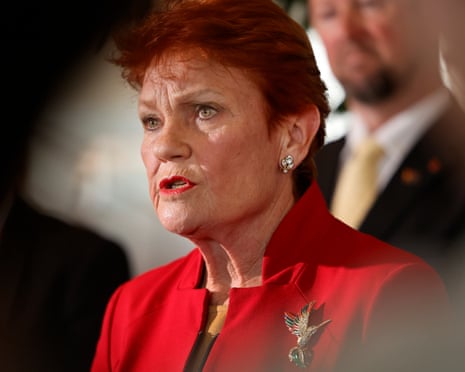
The proposal has drawn sharp criticism from the Coalition, which has characterized the plan as importing discredited economic ideology from Venezuela rather than successful Nordic models. Coalition critics argue that direct government equity acquisition in private resource projects could deter investment, reduce competition, and ultimately harm Australia's economic interests. The comparison to Venezuela—a country whose resource-dependent economy has suffered from severe mismanagement—appears designed to undermine the credibility of Hanson's proposal by associating it with failed socialist economic policies rather than sustainable Nordic approaches.
Industry representatives have expressed mixed reactions to the One Nation proposal, with some expressing concern about the practical implications of mandatory 30% government ownership in new projects. Mining and energy companies have historically resisted government equity stakes, arguing that such arrangements complicate decision-making processes, slow project development, and create potential conflicts of interest between commercial objectives and political considerations. The requirement to surrender a significant equity portion to the commonwealth could also make projects less attractive to international investors and reduce the competitiveness of Australian ventures in the global gas market.
Hanson's fierce criticism of the existing 25% export tax forms a central component of her policy platform, with One Nation labeling the current arrangement as "economic vandalism." The offshore gas profits tax, introduced by the previous Labor government, was designed to ensure that Australians receive fair value for their non-renewable resources. However, critics argue the tax has failed to deliver anticipated revenues and may have discouraged investment in new projects that could secure Australia's energy future. Hanson contends that replacing this tax with direct equity ownership would prove far more effective at securing returns for taxpayers while encouraging project development.
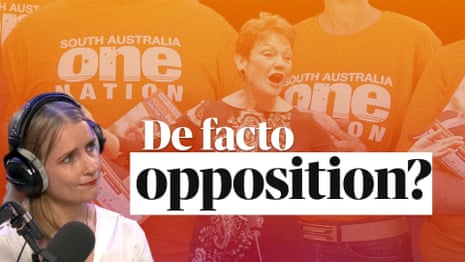
The timing of Hanson's announcement reflects broader anxiety about Australia's energy security and the future of its resource sector. As global demand for liquefied natural gas continues to fluctuate and renewable energy transitions reshape international energy markets, policymakers are grappling with questions about how to maximize value from existing and future gas reserves. Hanson's proposal offers one vision for addressing these challenges through greater government involvement and ownership, though competing visions emphasize market-driven approaches and reduced state intervention.
Economic analysts have offered varying assessments of the proposal's viability and potential outcomes. Some economists argue that direct government equity stakes could provide sustainable long-term revenue streams for public benefit, similar to Norway's approach with oil and gas resources. Others contend that the approach could create economic inefficiencies, discourage entrepreneurial innovation, and ultimately reduce the overall tax base available for government investment in other priorities. The debate reflects deeper philosophical disagreements about the appropriate role of government in managing resource wealth and private enterprise.
The government has responded to One Nation's proposal with skepticism, suggesting that the plan lacks practical detail and overlooks significant implementation challenges. Officials have questioned how the commonwealth would finance its equity acquisitions, manage day-to-day operations of complex energy projects, and handle potential conflicts between government shareholders and commercial operators. The government's position emphasizes that current tax arrangements, despite acknowledged shortcomings, provide a more straightforward mechanism for capturing resource value without requiring direct government involvement in operational decision-making.
Environmental considerations add another layer of complexity to the debate surrounding Hanson's proposal. While the policy focuses primarily on maximizing financial returns from gas extraction, environmental advocates question whether expanding gas production aligns with Australia's climate commitments and long-term sustainability objectives. The proposal does not explicitly address how new projects would meet environmental standards or contribute to broader energy transition goals, leaving uncertainty about how the policy would interact with climate-related regulations and international climate agreements.
Pauline Hanson's Norway-inspired gas policy represents a bold attempt to reshape Australia's resource governance framework through more direct government ownership models. Whether the proposal gains political traction or remains a marginal position will likely depend on broader economic conditions, energy market dynamics, and public opinion regarding resource management. As Australia continues to navigate questions about energy security, economic competitiveness, and resource wealth distribution, Hanson's proposal adds an important alternative perspective to ongoing policy debates about the nation's resource future.
Source: The Guardian


