
Hantavirus Cruise Ship Evacuated: Passengers Arrive in US

The MV Hondius cruise ship outbreak reaches US shores. Three passengers in biocontainment as evacuation continues from Canary Islands.
A cruise ship outbreak of the rare and dangerous Andes hantavirus has reached a critical juncture as the affected vessel, the MV Hondius, completed its evacuation process following arrival at the Canary Islands near Tenerife Island over the weekend. This unprecedented situation represents one of the most significant hantavirus incidents ever documented in maritime history, raising serious public health concerns across multiple continents. The vessel, which had been navigating through unprecedented circumstances, finally reached port after weeks of mounting tensions among passengers and crew members who faced potential exposure to this potentially fatal pathogen.
According to official statements released Monday morning, the World Health Organization confirmed that the final phase of passenger evacuation from the MV Hondius was expected to be completed throughout the day. The ship originally carried 147 individuals total, including both passengers and crew members who had been isolated under strict health protocols. A core group of 30 crew members remained aboard the vessel to oversee its transit back to its home port in Rotterdam, the Netherlands, while all other passengers underwent organized evacuation procedures. This calculated approach allowed authorities to maintain vessel operations while ensuring passenger safety and reducing infection risks.
The evacuation operations represented a coordinated international effort that prioritized public health and safety protocols at every stage. All evacuated individuals were transported via specially arranged medical repatriation flights rather than standard commercial aviation channels, a precautionary measure implemented to prevent potential community transmission. Spanish health authorities took the lead in coordinating these complex logistics, working in close partnership with the World Health Organization, national health ministries, and international disease control agencies to ensure comprehensive safety measures were maintained throughout the process.
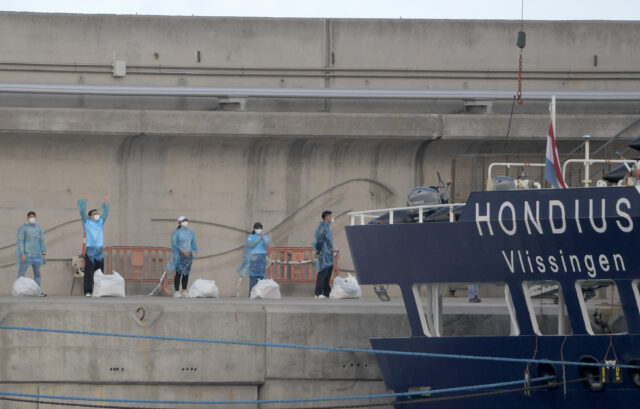
The situation took an alarming turn during the disembarkment process when at least one new hantavirus case was identified among passengers leaving the ship, indicating ongoing transmission risks despite isolation measures. This development underscored the serious nature of the outbreak and the challenges inherent in containing viral spread in the confined environment of a cruise ship. Medical teams immediately implemented enhanced screening protocols to identify any additional symptomatic individuals before they could board evacuation flights. The identification of new cases during evacuation demonstrated the virus's ability to spread despite preventive measures, highlighting the critical importance of continued vigilance throughout the repatriation process.
Three passengers from the affected vessel have been placed in specialized biocontainment facilities upon arrival in the United States, reflecting the severity of their symptoms and the contagious nature of the Andes hantavirus strain. These individuals were among the first to arrive at American medical facilities, where they are receiving intensive care from specialists experienced in treating rare viral hemorrhagic fevers. The biocontainment protocols implemented in US hospitals represent the highest level of infection control measures available in modern medicine, with dedicated negative-pressure isolation rooms and specialized personal protective equipment for all medical personnel. This extraordinary level of medical intervention underscores the seriousness of hantavirus infections and the potential complications patients may face during their recovery process.
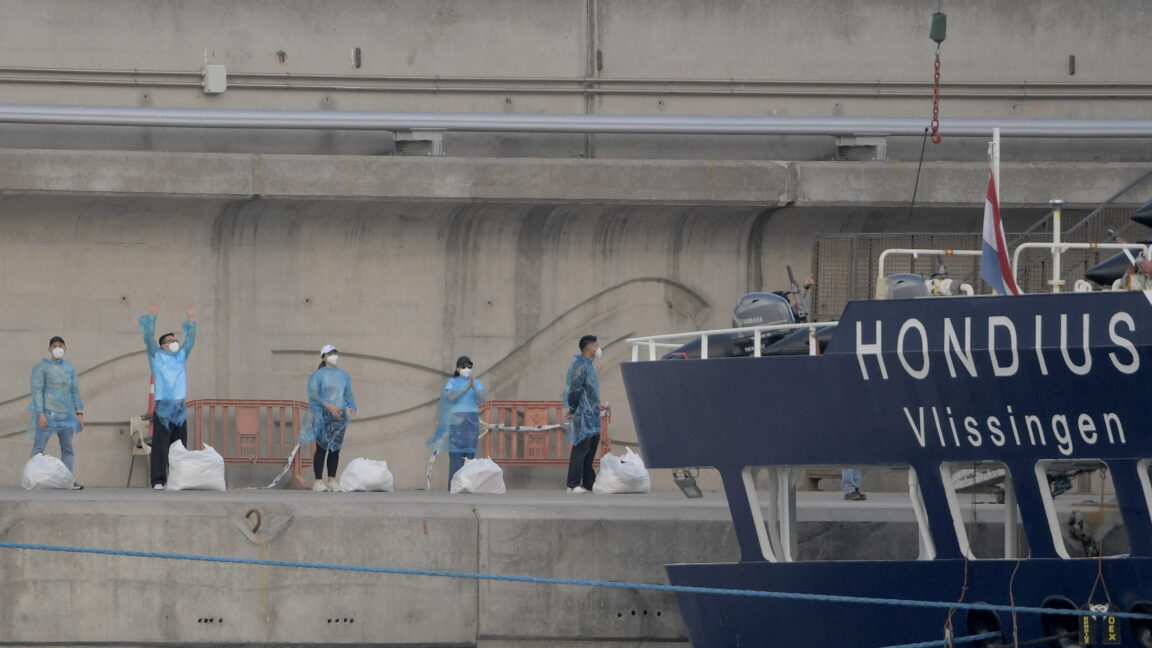
The Andes hantavirus represents a particularly concerning pathogen due to its high mortality rate and capacity for human-to-human transmission, distinguishing it from many other hantavirus strains that are typically transmitted through rodent contact. Initial investigations into the outbreak's origin are still ongoing, with epidemiologists attempting to determine how the virus initially gained entry to the ship and subsequently spread among passengers and crew. Early hypotheses suggest potential exposure during port activities or through contaminated food or water sources, though definitive conclusions await completion of comprehensive epidemiological investigations. Understanding the transmission pathway is crucial for implementing effective prevention measures and preventing future outbreaks in similar settings.
Public health officials have initiated extensive contact tracing procedures to identify all individuals who may have had exposure to confirmed hantavirus patients during the evacuation process and subsequent flights. This proactive approach aims to establish a comprehensive understanding of potential transmission chains and enable rapid identification of any secondary cases that might develop in the coming weeks. Contacts are being monitored closely with regular temperature checks and symptom assessments, and individuals with concerning symptoms will be immediately isolated and tested. The typical incubation period for hantavirus ranges from one to eight weeks, meaning that vigilant monitoring must continue for an extended period to ensure that no delayed cases emerge from this exposure event.

The international coordination demonstrated throughout this crisis reflects the critical importance of global health cooperation in managing emerging infectious disease outbreaks. Communication channels between Spanish authorities, WHO representatives, American health agencies, and other national organizations remained open and active throughout the evacuation process, enabling rapid decision-making and resource allocation. This collaborative approach has become increasingly important in our interconnected world, where infectious diseases can rapidly cross national and continental boundaries. The successful management of this particular outbreak demonstrates that with proper coordination and adherence to established protocols, even unprecedented public health emergencies can be navigated effectively.
Looking forward, this incident will likely prompt comprehensive reviews of cruise ship health protocols and emergency preparedness procedures across the industry. Maritime health authorities may implement enhanced screening measures for passengers and crew before embarkation, upgraded sanitation protocols throughout vessels, and improved isolation facilities for managing potential disease outbreaks at sea. Insurance companies and regulatory agencies will undoubtedly examine the incident to identify any gaps in existing frameworks or opportunities for improved prevention and response measures. The economic implications of prolonged evacuation procedures and the associated costs have also sparked discussions within the cruise industry about balancing operational efficiency with robust health and safety measures.
The arrival of infected passengers in the United States serves as a reminder that infectious diseases do not respect borders and that domestic health systems must remain prepared for the emergence or reemergence of rare pathogens. American hospitals and public health agencies have demonstrated their capacity to rapidly respond to such situations, mobilizing specialized expertise and resources to provide optimal patient care. The integration of hantavirus management into routine hospital protocols reflects decades of preparation following earlier outbreaks and the establishment of institutional knowledge regarding treatment approaches. Continued investment in training, equipment, and research related to rare viral hemorrhagic fevers remains essential to maintaining this critical preparedness for future incidents.
Source: Ars Technica

