
Hantavirus Cruise Ship Passengers Quarantined at UK Facility

Twenty passengers evacuated from MV Hondius cruise ship after hantavirus outbreak are now in isolation at a Merseyside facility following repatriation from Tenerife.
Twenty passengers who were aboard the MV Hondius cruise ship during a hantavirus outbreak have arrived at a specially designated isolation facility in Wirral, Merseyside, marking the beginning of their mandatory quarantine period. The group spent their first day settling into self-contained flats at the facility after being evacuated from Tenerife in the Canary Islands, where the infected vessel had been docked. The arrival represents a coordinated international response to contain the spread of the virus and protect public health across multiple nations.
The MV Hondius evacuation commenced on Sunday evening when a chartered Titan Airways flight transported the first group of passengers from Tenerife to Manchester airport. This specialized aircraft was contracted specifically to safely relocate individuals who may have been exposed to the virus while maintaining strict biosafety protocols throughout the journey. The decision to charter a dedicated flight underscores the serious nature of the hantavirus concern and the need for controlled transport of potentially affected individuals to prevent further transmission.
According to Spain's health minister, the complete evacuation of all passengers from the cruise ship will be finalized on Monday, with additional flights arriving from both Australia and the Netherlands. This multi-stage repatriation process ensures that passengers of all nationalities can return to their respective countries in a systematic and organized manner while remaining under medical observation. The coordination between Spanish authorities, UK health officials, and international partners demonstrates the complexity of managing a disease outbreak that affects citizens from numerous countries.
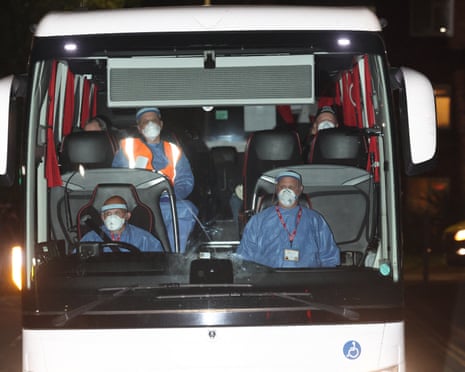
Hantavirus represents a significant public health concern due to its potential for severe illness and the lack of a specific cure or vaccine. The virus is typically transmitted to humans through contact with infected rodents or their droppings, though person-to-person transmission of certain strains remains a medical consideration. The outbreak aboard the MV Hondius prompted immediate action by health authorities to identify affected individuals and prevent potential spread among the general population.
The isolation facility in Wirral was selected for its capacity to accommodate multiple individuals in self-contained living quarters, allowing for proper quarantine without cross-contamination risks. Each passenger will reside in separate flats equipped with necessary amenities, with medical staff available to monitor their health status and conduct regular assessments. This arrangement balances the need for containment with maintaining reasonable living conditions for those undergoing isolation during their recovery and observation period.
The repatriation operation represents a significant logistical undertaking, requiring coordination across multiple government agencies, health systems, and international borders. Airlines, port authorities, and healthcare facilities in multiple countries have worked in conjunction to ensure that the evacuation proceeds smoothly while adhering to strict quarantine protocols. The success of such operations depends heavily on clear communication, rapid decision-making, and the commitment of numerous professionals dedicated to managing public health crises.
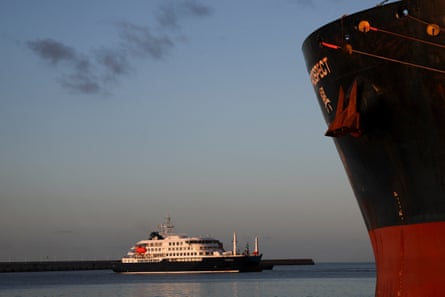
The presence of hantavirus cases on a cruise ship raises questions about health screening procedures and sanitation standards aboard vessels. Cruise ships operate in environments where large numbers of people from diverse geographical locations spend extended periods in close quarters, creating ideal conditions for disease transmission if proper precautions are not maintained. The incident may prompt the cruise industry to review and enhance their health and safety protocols to prevent future outbreaks.
Passengers undergoing isolation will likely spend a period of time at the Merseyside facility, with the duration determined by medical professionals based on their individual circumstances and test results. During this time, they will have access to medical care, mental health support, and communication facilities to maintain contact with family members. The psychological impact of sudden evacuation and prolonged quarantine should not be underestimated, necessitating comprehensive support services beyond physical health monitoring.
The international nature of this cruise ship outbreak highlights how modern travel can rapidly spread infectious diseases across borders and continents. With passengers originating from Australia, the Netherlands, Spain, and the United Kingdom, the affected individuals represent a global population that could have inadvertently carried the virus to their home countries. This reality underscores the importance of rapid detection, swift response mechanisms, and effective international cooperation in managing infectious disease threats.
Health authorities across the affected nations will maintain close surveillance and communication to track the health status of all evacuated passengers and ensure that appropriate follow-up care is provided. Medical teams will conduct regular health assessments, testing when necessary, and document any symptoms that might emerge during the isolation period. This comprehensive monitoring approach helps establish epidemiological data that can inform future responses to similar outbreaks and contribute to scientific understanding of the virus's transmission patterns.
The incident serves as a reminder of the persistent threat posed by zoonotic diseases and the importance of maintaining vigilant public health infrastructure. The relatively rapid response to this outbreak, facilitated by coordinated international efforts and modern aviation capabilities, prevented what could have been a far more extensive public health emergency. Moving forward, the lessons learned from this evacuation and quarantine process will likely inform policies and procedures for managing similar situations in the future.
Source: The Guardian


