
Hantavirus Cruise Ship: Urgent Search for Passengers Who Disembarked

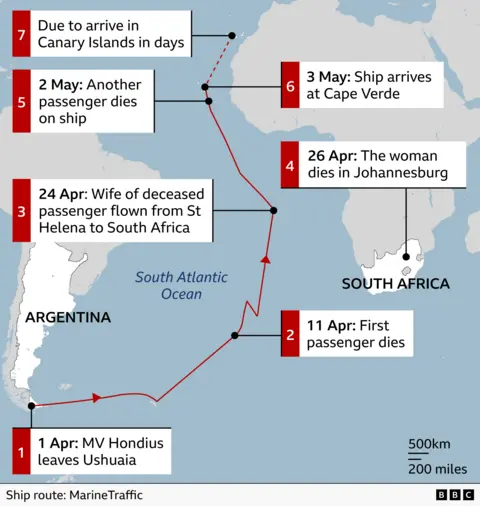
Health authorities race to locate passengers who left the MV Hondius at St Helena. A 69-year-old woman from South Africa later died from hantavirus complications.
A critical public health situation has unfolded as authorities launch an urgent investigation to trace passengers who disembarked from the MV Hondius cruise ship at the remote island of St Helena. The search has become increasingly pressing following the death of a 69-year-old South African woman who was among those who left the vessel, highlighting the serious nature of hantavirus transmission risks associated with the incident.
The hantavirus outbreak connected to the cruise ship has raised significant concerns among health officials across multiple countries. The woman's death represents a tragic consequence of potential exposure during her time aboard the MV Hondius, underscoring the dangers posed by this emerging infectious disease. Health authorities have intensified their efforts to contact all individuals who may have had contact with confirmed cases or contaminated areas of the vessel.
St Helena, a British Overseas Territory located in the South Atlantic Ocean, became a critical port of call where numerous passengers disembarked before the full scope of the health threat became apparent. The island's remote location and limited medical infrastructure have complicated response efforts. Authorities are working to reconstruct passenger manifests and identify individuals who may have traveled onward to various destinations after leaving the ship.
The hantavirus is a serious pathogen that can be transmitted through contact with infected rodent droppings, urine, or saliva. Cruise ship environments, with their complex ventilation systems and confined spaces, can pose particular challenges for disease control and prevention. The discovery of the virus aboard the MV Hondius has prompted a comprehensive review of sanitation protocols and pest control measures implemented on the vessel.
Health officials have established dedicated contact tracing teams to reach passengers who may have been exposed. This process involves coordinating with travel agencies, cruise lines, and international health organizations to locate individuals across different countries and regions. The complexity of international travel means that some passengers may be difficult to locate, particularly those who have since returned to their homes in distant locations.
The South African woman's death has been attributed to complications from hantavirus infection, though investigations continue to determine the exact timeline of exposure and symptom development. Her passing serves as a sobering reminder of the potential severity of this disease, particularly in older adults and those with underlying health conditions. Medical experts have emphasized the importance of early detection and appropriate medical intervention for anyone who may have been exposed.

Symptoms of hantavirus infection typically include fever, headache, muscle aches, and respiratory distress. In severe cases, the disease can progress to hantavirus pulmonary syndrome, a life-threatening condition requiring intensive medical care. Health authorities are urging anyone who traveled on the MV Hondius and subsequently develops these symptoms to seek immediate medical attention and inform healthcare providers of their potential exposure.
The cruise ship industry has faced mounting scrutiny regarding disease prevention and outbreak response protocols. The MV Hondius incident has prompted calls for enhanced screening procedures, improved sanitation standards, and more stringent pest control measures across the cruise industry. Regulatory bodies are reviewing current guidelines to determine if additional safety requirements are necessary to prevent similar incidents in the future.
International health organizations, including national health departments in countries where passengers have returned, are coordinating their response efforts. Information sharing between jurisdictions has proven essential for identifying and monitoring individuals who may have been exposed during their cruise or during subsequent travel. Public health agencies have issued travel advisories and guidance for healthcare providers to maintain heightened awareness of potential hantavirus cases.

The investigation into the source of the hantavirus contamination aboard the MV Hondius is ongoing, with environmental testing being conducted throughout the vessel. Researchers are examining potential pathways of transmission, including possible rodent infestation or contaminated food supplies. Understanding how the virus entered the ship's environment is crucial for implementing preventative measures on other vessels.
Cruise passengers who disembarked at St Helena have been asked to complete detailed health questionnaires and provide information about any symptoms they may have experienced since leaving the ship. Health authorities are also requesting contact information for anyone who had close contact with the deceased passenger during the voyage. This information is vital for assessing the scope of potential exposure and determining follow-up testing requirements.
The psychological impact on cruise passengers and crew members cannot be overlooked. Many individuals are experiencing anxiety about their potential exposure and uncertain health status. Mental health support resources have been made available to those affected by the situation, recognizing the stress and concern generated by an infectious disease outbreak during what was intended to be a leisure voyage.
Looking forward, the hantavirus cruise ship incident will likely result in significant changes to industry practices and regulatory requirements. Cruise operators are being encouraged to invest in upgraded ventilation systems, enhanced pest management programs, and more frequent health and safety inspections. The maritime industry is also considering implementing mandatory disease outbreak response training for crew members and strengthened communication protocols for health emergencies.
Public health experts emphasize that while hantavirus is a serious concern, the overall risk to the general population remains low with appropriate precautions. However, this incident serves as a reminder of the importance of robust public health surveillance systems and the need for rapid response capabilities when potential outbreaks occur in transit environments. Continued vigilance and international cooperation remain essential for protecting travelers and containing infectious disease threats.
Source: BBC News

