
Hantavirus on Cruise Ship Can Spread Between Humans

South Africa confirms Andes strain hantavirus detected in cruise ship outbreak. The virus can spread among humans in rare cases, affecting passengers.
A luxury cruise ship carrying approximately 150 passengers has become the focal point of international health concerns after a hantavirus outbreak forced the vessel to remain anchored off the coast of Cape Verde for several days. The MV Hondius, a high-end expedition cruise ship, experienced what health authorities are now describing as a significant public health incident, with South Africa's National Institute for Communicable Diseases making a critical discovery about the nature of the pathogen responsible for infections among passengers and crew members.
The most alarming aspect of this outbreak centers on the identification of the Andes strain of hantavirus among infected individuals. This particular strain is notable in the medical community for its rare but documented ability to spread directly from person to person, distinguishing it from other hantavirus variants that typically require contact with infected rodent droppings, urine, or saliva. The confirmation of this specific strain has raised concerns among epidemiologists and public health officials who are closely monitoring the situation and tracking potential exposures among the vessel's passengers and crew.
According to reports from South Africa's National Institute for Communicable Diseases, at least two confirmed cases aboard the cruise ship have been linked to the Andes hantavirus, making this outbreak particularly noteworthy in terms of transmission patterns. The institute's analysis revealed that the virus detected in these cases matches the profile of a strain capable of human-to-human transmission, a characteristic that sets it apart from the majority of hantavirus variants documented globally. This finding has prompted enhanced surveillance protocols and contact tracing measures to prevent further spread among passengers and crew members who may have been exposed during their time aboard the vessel.

The Swiss government has confirmed that one passenger who disembarked from the MV Hondius and subsequently returned to Switzerland has tested positive for hantavirus infection. This individual is currently receiving medical treatment at a specialized facility in Zurich, where healthcare professionals are monitoring the patient's condition closely. Swiss health authorities have emphasized that while this case represents a documented infection, there is currently no imminent danger to the broader Swiss population, as the risk of transmission in the community remains low under normal circumstances.
The vessel was originally scheduled to continue its voyage to Spain following its extended stay off the Cape Verde coast, where it had been quarantined to contain the outbreak and facilitate medical evaluations of all passengers and crew. The delay in reaching port has raised logistical and operational concerns, as passengers have been confined to the ship while health authorities conducted their investigations and assessments. The decision to redirect or delay the ship's arrival in Spain reflects the cautious approach being taken by maritime and health authorities to prevent any potential spread of the hantavirus to additional populations.

Hantavirus infections have historically been rare in maritime settings, making this cruise ship outbreak particularly significant from an epidemiological perspective. The virus typically spreads through inhalation of aerosolized particles from infected rodent excreta, which is why cruise ships have not traditionally been recognized as high-risk environments for hantavirus transmission. However, the presence of the Andes strain, which has demonstrated capacity for human-to-human transmission in previous outbreaks, fundamentally changes the risk assessment and response protocols for this particular incident.
The identification of hantavirus cases on a luxury cruise ship has prompted international health organizations to review biosafety protocols on maritime vessels. Cruise ships, by their nature, host hundreds or thousands of people in close quarters, creating environments where respiratory viruses can potentially spread more readily than in other settings. The MV Hondius incident serves as a reminder of the importance of maintaining vigilant health monitoring systems aboard vessels that carry large numbers of passengers, particularly in international waters where coordinated responses from multiple nations may be required.

Health authorities in South Africa, Switzerland, and other nations with connections to the outbreak have initiated comprehensive contact tracing efforts to identify all individuals who may have had close contact with confirmed cases. These efforts extend beyond the ship itself, as passengers and crew members have dispersed to various countries, potentially creating multiple points of concern for public health officials. The coordination between international health agencies has become essential in managing this outbreak and preventing wider dissemination of the virus.
The Andes hantavirus strain has been responsible for previous outbreaks in South America, where it has demonstrated its capacity for human-to-human transmission more readily than other hantavirus types. In those outbreaks, the virus has caused significant mortality rates and has required intensive infection control measures to prevent transmission in healthcare settings. The appearance of this strain on an international cruise ship represents an unusual epidemiological scenario that demands careful monitoring and aggressive public health intervention.
Passengers aboard the MV Hondius have undergone medical screening and evaluation to identify potential cases and assess exposure risk. Those showing symptoms consistent with hantavirus infection—which can include fever, headache, muscle aches, and in severe cases, respiratory distress and kidney dysfunction—have been isolated and provided appropriate medical care. The cruise ship operator has cooperated fully with health authorities in implementing enhanced sanitation procedures and ensuring that all health protocols are strictly adhered to during this period of crisis.
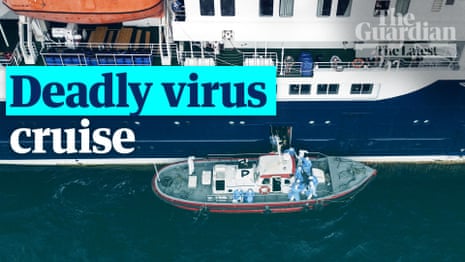
The discovery of human-to-human transmissible hantavirus on a cruise ship has raised important questions about global disease surveillance and maritime health security. Cruise ship environments present unique challenges for infection control due to their size, transient passenger populations, and the rapid international movement of travelers who may unknowingly carry pathogens across borders. This incident underscores the critical importance of maintaining robust monitoring systems and rapid response capabilities in the maritime industry.
As investigations continue and health authorities work to contain the outbreak, the incident serves as a stark reminder of the potential for infectious diseases to emerge in unexpected settings. The presence of the Andes hantavirus aboard an international cruise ship demonstrates how modern travel patterns can facilitate the spread of pathogens in ways that were perhaps unforeseeable until recently. Public health officials will likely use the lessons learned from this outbreak to strengthen protocols and preparedness measures across the global cruise ship industry and beyond.
Source: The Guardian

