
Hantavirus Outbreak Forces Cruise Ship Evacuation

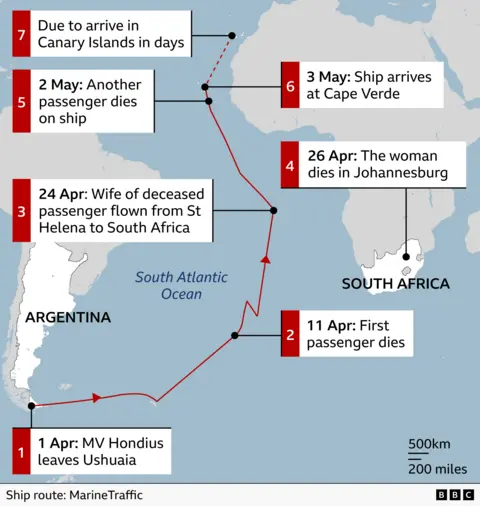
A British man and two other passengers were evacuated from the MV Hondius cruise ship near Cape Verde after displaying hantavirus symptoms. They were transported to the Netherlands for treatment.
A cruise ship hantavirus outbreak prompted emergency evacuations from the MV Hondius near Cape Verde, as three passengers displaying concerning symptoms were airlifted to medical facilities in the Netherlands. The incident underscores the serious health risks associated with viral infections in confined maritime environments and the swift response required when contagious diseases are identified aboard vessels carrying international passengers and crew members.
Among those evacuated was a 56-year-old British man who exhibited symptoms consistent with hantavirus infection. Alongside him, a 41-year-old Dutch crew member and a 65-year-old German national were also removed from the vessel after showing similar signs of illness. The three patients were transported directly to medical facilities in the Netherlands, where they could receive specialized treatment and monitoring for this potentially serious viral disease.
The MV Hondius, an expedition cruise ship operating in waters off the West African coast, initiated isolation and quarantine protocols upon identifying the symptomatic individuals. Maritime authorities and health officials coordinated the evacuation operation to ensure safe transfer of the patients while minimizing transmission risks to other passengers and crew members remaining aboard the vessel. Such coordinated responses represent standard procedure when infectious disease outbreaks are suspected aboard ships operating in international waters.
Hantavirus is a serious pathogen transmitted primarily through contact with infected rodent droppings, urine, or saliva. While transmission aboard a cruise ship is relatively uncommon, the close quarters and international nature of maritime travel create potential risk scenarios where infectious diseases can spread rapidly if not contained promptly. Health officials emphasize that early identification and isolation of symptomatic individuals remain crucial in preventing wider outbreaks in confined environments such as ships, aircraft, and crowded facilities.
The evacuation of these three passengers highlights the importance of health screening protocols implemented by cruise operators and maritime authorities. Modern vessels are equipped with medical facilities and trained personnel to identify and respond to health emergencies, though serious cases often require transportation to advanced medical centers in developed nations. The decision to transport patients to the Netherlands rather than attempting treatment aboard ship indicates the severity of their condition and the specialized care required for hantavirus treatment.
MV Hondius is known for its expedition cruising operations throughout African waters, carrying international passengers on scientific and adventure-focused voyages. The ship maintains high safety and hygiene standards typical of modern cruise operators, yet the unpredictable nature of viral diseases means that outbreaks can occur despite best practices and preventive measures. Maritime companies operating in tropical and subtropical regions remain particularly vigilant about disease prevention measures given the prevalence of various pathogens in these areas.
Dutch health authorities received the three patients and initiated comprehensive medical evaluation and treatment protocols upon their arrival. The Netherlands possesses world-class medical facilities equipped with infectious disease specialists capable of managing cases of hantavirus and other viral infections. Treatment protocols typically include supportive care, monitoring of vital functions, and management of symptoms as the patient's immune system works to combat the infection.
The incident underscores ongoing global health challenges related to emerging and re-emerging infectious diseases. Although hantavirus infections remain relatively rare in developed nations, awareness and preparedness remain essential components of public health strategy. Maritime health authorities continue to coordinate with international health organizations to ensure rapid information sharing and coordinated responses when disease outbreaks occur aboard vessels traveling international waters.
Remaining passengers and crew aboard the MV Hondius were likely subjected to enhanced health screening and monitoring procedures in the days following the evacuation. Cruise operators implement comprehensive protocols to identify additional cases and prevent secondary transmission among the ship's population. Such measures may include temperature checks, symptom screening, enhanced sanitation procedures, and isolation of any individuals displaying suspicious symptoms.
The medical evacuation operation itself represents a significant logistical achievement, requiring coordination between maritime authorities, coast guard services, medical teams, and the cruise ship's management. Weather conditions, distance from medical facilities, and the patient's medical stability all factor into the decision to evacuate versus treating patients aboard ship. In this case, authorities determined that transportation to specialized medical facilities in the Netherlands provided the best outcome for the three symptomatic individuals.
Communication regarding the cruise ship health emergency extended to relevant port authorities in Cape Verde and other maritime jurisdictions along the vessel's intended route. Transparency in such matters helps maintain public confidence in maritime health systems and ensures that other ships and coastal communities can implement appropriate precautions if needed. Health authorities issue alerts and notifications when significant disease events occur aboard international vessels, allowing for coordinated response across multiple nations.
This incident serves as a reminder of the inherent risks associated with international travel and the importance of robust health systems capable of managing sudden outbreaks. The swift response to the MV Hondius situation demonstrates that maritime health protocols, while constantly evolving, can effectively identify and address threats to passenger and crew safety. Continued investment in disease surveillance, staff training, and emergency response capabilities remains essential for the cruise industry and maritime authorities worldwide.
Looking forward, this incident will likely inform discussions among cruise operators, maritime authorities, and health agencies regarding optimal practices for disease prevention and response in maritime settings. Enhanced screening protocols, improved ventilation systems, and staff training programs continue to evolve in response to identified risks. The hantavirus outbreak response aboard the MV Hondius contributes valuable operational data to these ongoing improvement efforts, ultimately benefiting the safety of future maritime travelers.
Source: BBC News

