
Hantavirus Outbreak on Cruise Ship Kills Three

A suspected hantavirus outbreak on an Atlantic cruise ship has resulted in three deaths and five additional suspected cases, with a 69-year-old British passenger in critical condition.
A hantavirus outbreak aboard a cruise ship traversing the Atlantic Ocean has claimed the lives of three passengers, sparking significant health concerns among maritime authorities and international disease control agencies. The suspected hantavirus infection cases have prompted swift action from the World Health Organization, which confirmed one definitive case while investigating five additional suspected infections among those aboard the vessel.
According to reports provided to Agence France-Presse on Sunday, the situation remains fluid as medical teams work to contain the outbreak and provide critical care to affected passengers. Among those hospitalized is a 69-year-old British national currently receiving intensive care treatment at a medical facility in South Africa, where the vessel is believed to have made port. The gravity of the situation has elevated this incident to international attention, with multiple health authorities monitoring developments closely.
The cruise ship hantavirus cases represent a rare outbreak within the maritime travel industry, where infectious diseases can spread rapidly among densely populated passenger quarters and shared common areas. Health officials have emphasized the importance of swift identification and isolation protocols when dealing with potential hantavirus transmission among large groups of people confined to limited spaces. The outbreak has raised questions about disease surveillance measures on international vessels and the adequacy of current health screening procedures.
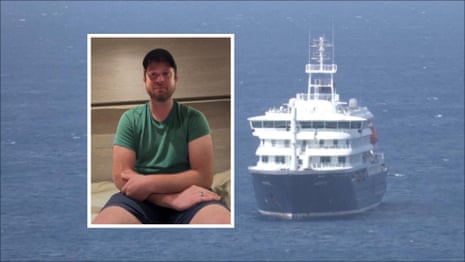
Hantavirus is a serious and often fatal disease caused by rodent-borne viruses, typically transmitted to humans through contact with infected rodent droppings, urine, or saliva. The virus can cause severe respiratory illness and hemorrhagic fever, with symptoms including fever, muscle aches, fatigue, and in severe cases, organ failure and death. The particular strain identified in this outbreak will be crucial in determining transmission patterns and guiding prevention strategies for remaining passengers and crew members.
The World Health Organization's confirmation of at least one laboratory-verified case lends credibility to the severity of the situation, as confirmed cases typically indicate community transmission or direct exposure to contaminated materials. The additional five suspected cases suggest that the outbreak may be more widespread than initially apparent, potentially involving multiple areas of the ship or pointing to a common exposure source among passengers and crew. Health authorities are working to establish the timeline of infections and identify any environmental factors that may have contributed to the spread.
Maritime health protocols have come under scrutiny following the outbreak, with cruise ship operators facing increased pressure to implement more rigorous disease prevention measures. The confined environment of a cruise ship presents unique challenges for containing infectious diseases, as ventilation systems, shared dining facilities, and close passenger quarters can facilitate rapid transmission. This incident may lead to revised international maritime health regulations and enhanced screening procedures for future voyages.
The patient in intensive care, a 69-year-old British national, represents one of the most critical cases resulting from this outbreak. Advanced age and potential underlying health conditions may have contributed to the severity of this individual's condition, making close monitoring and aggressive medical intervention essential. The fact that this patient required transfer to a South African medical facility suggests the limitations of onboard medical capabilities when dealing with serious infectious diseases.
Authorities have launched an investigation into the source of the contamination, examining the ship's food storage areas, water systems, and crew quarters for evidence of rodent activity or contamination. Hantavirus transmission typically occurs in environments where rodent populations have established themselves, making thorough decontamination and pest control measures critical responses. The investigation will likely extend to prior ports of call and the ship's recent history to identify when and where initial exposures may have occurred.
The response from international health organizations has been coordinated, with information sharing between maritime authorities, national health ministries, and the World Health Organization ensuring a unified approach to containment. Contact tracing efforts are underway to identify all passengers and crew members who may have been exposed to infected individuals. Those identified as contacts are being advised to monitor for symptoms and report any concerning signs to health authorities immediately.
Passengers who disembarked at various ports before the outbreak was identified face the challenge of potential exposure without immediate awareness, highlighting the complexities of disease control in international travel scenarios. Health authorities in multiple countries are now advising individuals who were aboard the vessel during the relevant timeframe to seek medical attention if symptoms develop. The global nature of cruise ship travel means this incident has implications extending far beyond the immediate vessel and its current location.
The hantavirus outbreak investigation continues to develop as medical professionals analyze patient samples and environmental specimens collected from the cruise ship. Lab results will provide definitive confirmation of cases and help determine whether a single exposure event or multiple transmission opportunities led to the current situation. Understanding the epidemiology of this outbreak is essential for preventing similar incidents in the future.
This incident underscores the importance of robust disease surveillance systems within the cruise industry and the need for rapid response capabilities when potential outbreaks are identified. The maritime industry faces increasing scrutiny regarding health and safety, with travelers becoming more aware of infectious disease risks associated with crowded ship environments. Future cruise operations may see enhanced health screening procedures, improved environmental monitoring, and more stringent sanitation protocols implemented across the industry.
As investigations continue and medical teams work to stabilize affected passengers, this outbreak serves as a sobering reminder of the persistent threat posed by infectious diseases in shared travel environments. The coordinated response from multiple international health agencies demonstrates the global commitment to managing and controlling disease outbreaks wherever they occur. Ongoing monitoring of all individuals who had potential exposure to confirmed or suspected cases will remain essential in determining the ultimate impact of this maritime health crisis.
Source: The Guardian


